Category: Men Fertility

  • Improve Sperm Health: Unlocking Proven Secrets

    Improve Sperm Health: Unlocking Proven Secrets

    Understanding Unhealthy Sperm in Males 

    Medical research underscores that men contribute to about 50% of infertility cases. Alarming data from studies reveal that human semen quality has plummeted by 50–60% over the last four decades. Reproductive disorders in men is the inability of the male reproductive system to contribute to pregnancy after at least one year of unprotected sex. This may arise from multiple underlying factors. Healthy sperm are the central player in defining male fertility. This blog outlines all you need to know about factors determining healthy sperm production in men and explores ways to improve healthy sperm production. 

    What are the Key Components of Sperm Health?

    Sperm health is assessed using semen analysis and is focused on the quantity, motility, vitality, and morphology. 

    • Sperm quantity: The number of spermatozoa per milliliter is an important factor in sperm health. A healthy ejaculate should contain at least 15 million sperm per milliliter of semen, and this is considered the normal sperm count to get pregnant. Numbers less than that can reduce the chances of pregnancy, as there may not be adequate sperm to fertilize the egg. For more insights on how to increase sperm count, continue reading this article.
    • Sperm motility: The movement of the sperm is crucial to reach the egg and fertilize it. The sperm should be able to pass through the cervix, uterus, and fallopian tubes. At least 40% motile sperm is required to achieve a successful pregnancy. To increase sperm motility, a healthy lifestyle plays a critical role. 
    • Sperm morphology: The size and shape of the sperm influence the sperm’s movement and ability to penetrate the egg. The structure of a healthy sperm contains an oval head and a long, thin tail.  At least 4% of sperm with normal morphology is considered healthy.
    • Sperm vitality: Even when all other parameters are met, the survival rate of sperm becomes essential; this measure is known as sperm vitality or viability. 

    In general, normozoospermia—semen meeting all parameters within the normal range—includes a concentration of more than 15 million sperm per milliliter, motility greater than 40%, and > 4% normal morphology. To evaluate and understand your sperm health, it is advisable to consult the best fertility hospital and get a semen analysis done.

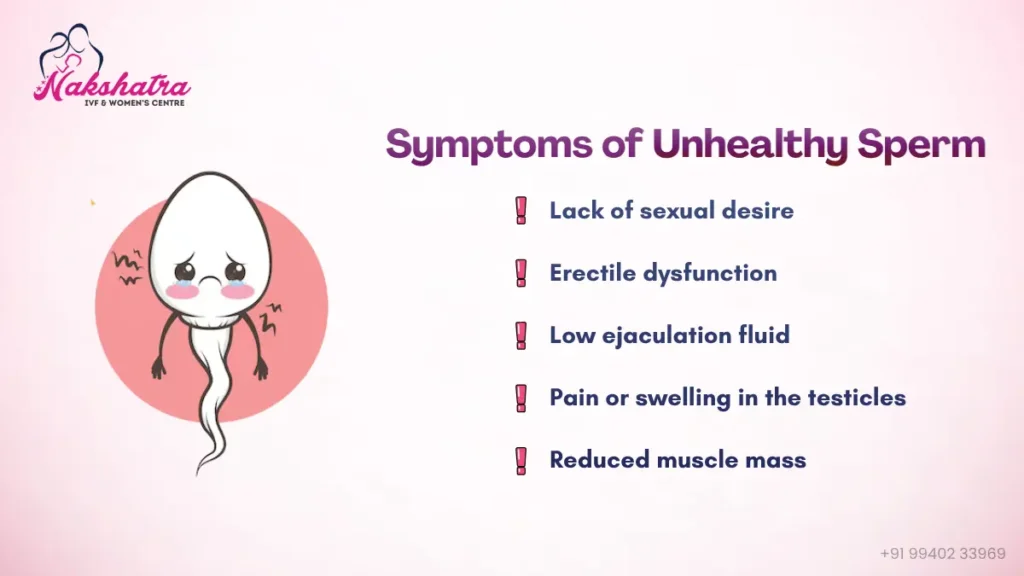
    Symptoms of Unhealthy Sperm

    The obvious sign of unhealthy sperm is the inability to achieve pregnancy. There can be other underlying causes, such as hormonal disturbances, physiological barriers, or genetic factors affecting male reproductive health. 

    unhealthy-sperm-symptoms

    Some of the symptoms of male reproductive disorders are discussed below.

    • Lack of sexual desire
    • Erectile dysfunction (when the ability to maintain an erection is a struggle)
    • Difficulty with ejaculation or insufficient volume of ejaculate fluid
    • Pain, discomfort, lumps, or swelling in the testicular region
    • Blockages in the male reproductive system due to infection or previous surgery that block the passage of sperm
    • Reduced growth of body and facial hair 
    • Abnormal breast growth and reduced muscle mass due to hormonal changes
    • Abnormal results in semen analysis such as low sperm count, reduced motility, low vitality, or morphological defects. 

    What are the Common Causes of Unhealthy Sperm?

    Male reproductive disorders or unhealthy sperm can be caused by medical, environmental, or lifestyle factors. Below are listed some of the common causes.

    1: Clinical factors

    • A condition called varicocele is a common treatable cause of male infertility. Swelling in the veins that drain the testicles is observed in this condition, which may affect the quality of the sperm.
    • Infections or inflammation of the testicles or epididymis caused by STD (sexually transmitted diseases) like HIV or gonorrhea can lead to reduced sperm production. 
    • Inherited disorders like Klinefelter’s syndrome.
    • Hormonal imbalances like low testosterone production can affect sperm health. Other glands like the pituitary, thyroid, and adrenal gland can affect the hormonal system, causing infertility in men.
    • Structural defects like blockages in the tubes that allow the passage of sperm due to previous surgery, infections, or abnormal development. 
    • Undescended testicles are a condition in which one or both testicles fail to descend, impairing sperm production.
    • In autoimmune disorders, anti-sperm antibodies mistakenly attack sperm cells, thereby diminishing male fertility. 
    • Nonmalignant tumors and cancer affect the male reproductive organs. Treatments like radiation, surgery, or chemotherapy can also reduce fertility in males.  
    • Sperm disorders include a less-than-normal sperm count, reduced motility, and abnormal shape.

    2: Lifestyle factors

    • Smoking and excessive alcohol intake can reduce testosterone levels and lead to unhealthy sperm.
    • An unhealthy diet characterized by excessive fat intake.
    • Obesity can affect the fertility of males in several ways. 
    • Sedentary lifestyle with lack of exercise and poor sleep. 

    3: Environmental factors

    • Exposure to toxins, chemicals like pesticides or herbicides, and radiation can impact sperm health.
    • Heavy metal exposure can harm semen quality and DNA integrity.
    • Overheating of the testicles can impair sperm production and function.

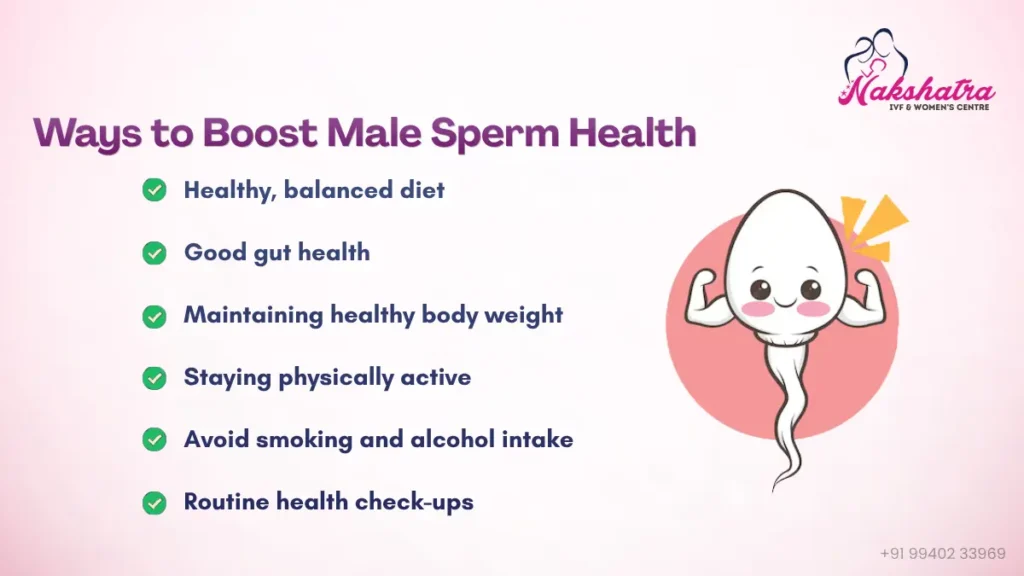
    What are the Ways to Boost Male Sperm Health?

    The space below will provide you with the essentials on how to increase sperm motility, sperm count, and overall sperm health. Just as multiple factors determine sperm health, there are several elements that can guide you towards increasing healthy sperm.  

    ways-to-boost-sperm-health

    1. Healthy, balanced diet

    Diet plays a vital role in sperm count, quality, and overall male reproductive health. It has shown a close association with the reproductive success rate. There are specific nutrients that aid in increasing sperm count and promoting hormonal balance in men. Fatty acids like omega-3 and omega-6 fatty acids exert an important role in testosterone production. Inadequate intake of these polyunsaturated fatty acids has shown disruption in hormonal levels and sperm production. 

    Oxidative stress may affect the motility, viability, and concentration of sperm in the semen. It has been observed that about 30%-80% of male infertility is linked with oxidative stress. Antioxidants like vitamin C, E, and minerals like selenium and zinc help in reducing oxidative stress and producing healthy sperm. A hypercaloric diet high in red, processed meat, sugary foods, and fried snacks is linked with reduced sperm quality, quantity, and poor viability. 

    Eating a balanced, healthy meal containing whole grains, legumes, pulses, fruits, vegetables, nuts, seeds, and low-fat dairy products can help increase sperm motility, sperm count, and general male reproductive health. 

    • Fruits and vegetables provide antioxidants that help scavenge free radicals, reduce oxidative stress, and boost healthy sperm production. Good intake of fruits and vegetables is associated with improvement of semen quality and healthy sperm. 
    • Low-fat dairy products, legumes, fish, seafood, eggs, nuts, and seeds are sources of lean protein that also provide unsaturated fatty acids and vitamins. These foods aid in increasing healthy sperm.
    • Whole grains and their products are rich in fiber, zinc, and magnesium. Its consumption helps regulate blood glucose levels and promotes hormonal balance.

    2. Good gut health

    The intestinal microbiota greatly depends on the individual’s dietary habits. A high-fat, unbalanced diet results in altered gut health and increased permeability of the intestinal barrier. Intestinal dysbiosis can influence spermatogenesis and sperm quality. Following a healthy diet can help maintain a healthy gut microbiota and, in turn, boost male reproductive health.  

    3. Maintaining a healthy body weight

    Research has shown that maintaining a healthy body weight can help increase sperm count, sperm motility, and total male reproductive health. A high BMI (body mass index) increases the risk for unhealthy sperm. 

    4. Healthy state of mind

    Stress can increase cortisol levels and lower testosterone production, thereby affecting the quality of sperm. Practicing stress-relieving activities like meditation, yoga, and deep breathing exercises can be helpful. 

    4. Staying physically active

    Engaging in physical activity has shown to boost testosterone levels and promote blood circulation. It is advisable to work out for at least 150 minutes per week. Any form of moderate intensity exercise can be practiced to increase sperm count. 

    5. Avoid smoking and alcohol intake

    Smoking, alcohol drinking, and the use of drugs have detrimental effects on semen characteristics. A study showed that heavy smokers and alcohol drinkers had lower sperm concentration and sperm motility compared to non-smokers and non-drinkers. The nicotine, carbon monoxide, and cadmium in cigarettes are associated with unhealthy sperm characterized by decreased sperm mitochondrial activity, damage to sperm structure, and DNA. Alcohol intake has deleterious effects on reproductive hormone levels.   

    6. Adequate sleep

    Sleep is an instrumental therapy for improving health. Getting adequate sleep helps reduce stress, promote hormonal regulation, and sperm production. Getting at least 6-8 hours of sleep is crucial. A disturbed sleep cycle can lead to reduced sperm count, poor sperm motility, and abnormal sperm morphology, thereby reducing the chance for successful fertilization. 

    7.Routine health check-ups

    When having issues with reproductive health, it is crucial to follow up regularly with your doctor and treat the underlying cause. Consult a fertility expert to identify the root cause and develop effective treatment strategies to boost healthy sperm.      

    8. Other helpful measures

    Along with the above techniques, there are other supportive measures to increase sperm count and motility: avoiding the use of lubricants, as it may interfere with sperm movement; avoiding some medications like opioids, anabolic steroids, antiandrogens, etc.; wearing relaxed-fit undergarments; and avoiding saunas or hot tubs.  

    Medical Approaches to Improve Sperm Health

    Advancements in medical treatment have developed several effective treatment options to increase healthy sperm in males. The following treatments may be suggested by a fertility expert based on the root cause of infertility.

    • Hormone therapy to treat hormonal imbalances using medications.
    • Surgery, such as varicocelectomy, vasoepididymostomy, and vasectomy reversal, are some of the common surgeries performed to treat infertility. 
    • Assisted reproductive technologies (ART) like ICSI (Intracytoplasmic sperm injection) and IVF (In vitro fertilization) are instrumental treatment options for couples struggling to achieve pregnancy. ICSI treatment involves directly injecting the sperm to fertilize the egg. This is a useful treatment option for individuals with unhealthy sperm, such as lower sperm count or affected sperm motility. IVF treatment involves fertilizing the egg outside the body and inserting the embryo back into the uterus for implantation.

    Seeking Medical Help?

    Although male reproductive disorders are a rising global concern, there are several strategies to promote male reproductive health. Seeking timely medical guidance is essential to maximise therapeutic efficacy. The advanced treatment options currently available help increase healthy sperm and successful pregnancy outcomes.

  • Infertility in Males and Females: Causes, Diagnosis, Treatment

    Infertility in Males and Females: Causes, Diagnosis, Treatment

    What is Infertility?

    According to the World Health Organisation (WHO), infertility is defined as the failure to achieve a pregnancy after 12 months or more of regular, unprotected sexual intercourse. The causes of infertility could be due to several different factors and may occur in both the male and female reproductive systems. Couples who face challenges to conceive naturally should consult a reproductive endocrinologist.  

    Let’s first know how pregnancy naturally happens to understand the challenges that one may face with it. Pregnancy occurs as a result of the following process,

    • The ovaries in a woman’s body release an egg during ovulation.
    • The sperm produced by the man fertilizes the egg.
    • The fertilized egg or the embryo travels through the fallopian tube toward the uterus.
    • The embryo implants itself in the uterus, a process called implantation, where it begins to grow into a fetus. 

    When there is a struggle in any of these steps, infertility may occur. The development of modern healthcare systems has improved treatment options for infertility, like ICSI and IVF treatments, which fulfill the dream of parenthood for many couples. 

    How common is infertility in India?

    According to the recent statistics in 2025, the Total Fertility Rate (TFR) in India has dropped below the replacement level to 1.9, which highlights a rise in infertility challenges faced by many couples. 

    Types of Infertility

    Infertility can be of two types. 

    • Primary infertility is when couples are unable to conceive a child after at least a year of unprotected sexual intercourse. 
    • Secondary infertility refers to couples who have previously achieved a successful pregnancy but are now unable to conceive again.
    • Unexplained infertility is when medical tests fail to identify the underlying reason for a couple’s difficulty in becoming pregnant.

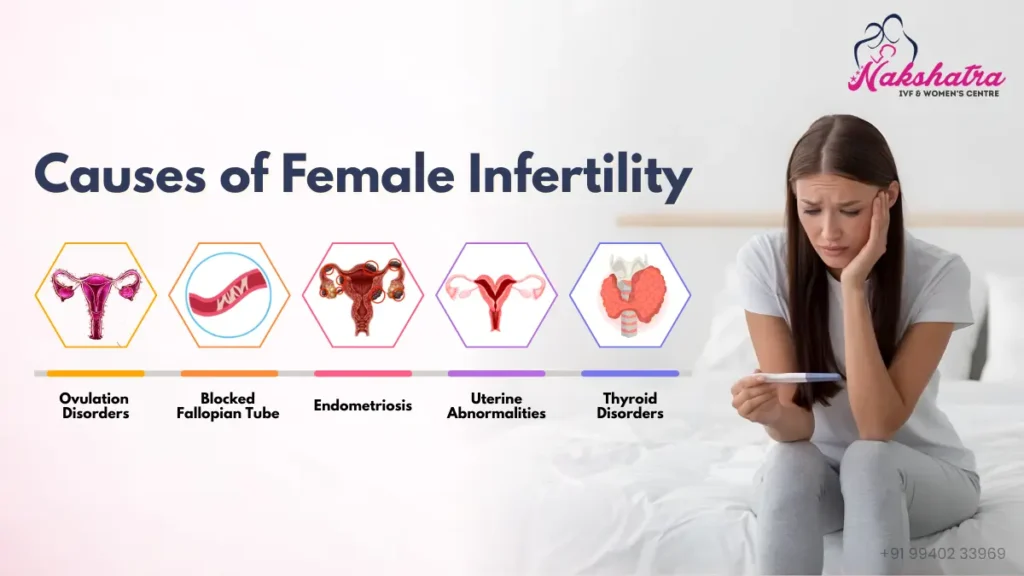
    Causes of Female Infertility

    There are different possible causes of infertility in females. Let’s dive into each of them.

    causes-of-female-infertility

    Ovulation disorders: Ovulation is a crucial step in the female reproductive system for pregnancy. Any changes that disrupt this process can cause infertility in females. Conditions like polycystic ovarian syndrome (PCOS), thyroid disorders, and intense exercise can disrupt the hormonal regulation, resulting in irregular ovulation. PCOS is a rising cause of infertility in females. Due to an imbalance in the hormones, multiple cysts are formed in the ovaries. Irregular menstrual cycles, increased facial hair growth, weight gain, and hair loss are some of the symptoms of PCOS.  Premature ovarian failure or premature menopause occurs when a woman experiences menopause before the age of 40. In this condition, the ovaries stop functioning normally, leading to a reduced supply of eggs, irregular menstrual cycles, hormonal fluctuations, and difficulties with conception. Genetic disorders like fragile X syndrome and Turner syndrome can also lead to premature ovarian failure. Lifestyle modifications, hormone therapy, diet, and seeking guidance from gynecologists from top fertility hospitals help in addressing such ovulation disorders. 

    Blocked Fallopian Tubes: Blockages in fallopian tubes can be triggered by infections, endometriosis, pelvic inflammatory diseases, fibroids, and scarring of tissues due to surgery. The egg from the ovaries travels through the fallopian tube after fertilisation to implant itself in the uterus. Blockages in the fallopian tube can hinder the movement of both the sperm and the egg, causing challenges in fertilization, implantation, and thereby pregnancy. Diagnosis through imaging tests helps in understanding the cause and effective treatment planning. Surgery or IVF treatment stands as the best infertility treatment option for women with blocked fallopian tubes. 

    Endometriosis: Endometriosis is a painful condition where tissues that are similar to the lining of the uterus grow outside the uterine cavity. It commonly impacts the ovaries, fallopian tubes, and pelvic structures, leading to inflammation and pain. Endometriosis is a common thread in female infertility cases as it interferes with the release of the egg, the movement of sperm to the egg, and implantation. Women diagnosed with endometriosis are usually prescribed medications, laparoscopic surgeries, or IVF techniques to treat infertility and achieve pregnancy. 

    Uterine abnormalities: Uterine fibroids, uterine polyps, and structural abnormalities can strike an impact on fertility by preventing implantation and development of the embryo. Diagnostic imaging tests can identify such abnormalities and aid in effective treatment planning. While treatment may vary for each individual, surgery is the most recommended intervention to rectify structural anomalies. 

    Thyroid disorders: The thyroid gland plays a significant role in female fertility. Hyperthyroidism (overactive thyroid gland) and hypothyroidism (underactive thyroid gland) can interfere with hormonal regulation, modifying ovulation and menstruation. An imbalance in thyroid hormones can also increase the risk of miscarriage. 

    Age-specific factors: A woman’s age has a major role to play in defining their fertility. As women age and reach over 35 years, a pronounced decline in the quality and quantity of eggs is observed. Advanced maternal age is the sole cause of infertility in females.

    Other causes: Some of the other causes that may lead to female infertility include autoimmune diseases like celiac disease or lupus, kidney disease, cancer, hypothalamic and pituitary gland disorders, sickle cell anemia, and previous surgical sterilization.

    What are the Diagnostic Methods for Female Infertility?

    When getting pregnant naturally becomes a challenge, your doctor may advise certain tests depending on the symptoms experienced to identify the underlying cause. The most common tests that help in diagnosis are 

    • Pelvic examination
    • Blood tests
    • USG or Transvaginal ultrasound
    • Hysteroscopy
    • Laparoscopy 
    • X-ray hysterosalpingogram 

    Treatment Options for Female Infertility

    When planning treatment for female infertility, a tailored approach that balances efficacy, risk, and the woman’s preferences should be considered. Treatment may vary for every individual depending on the underlying condition; consulting a fertility expert is advisable. 

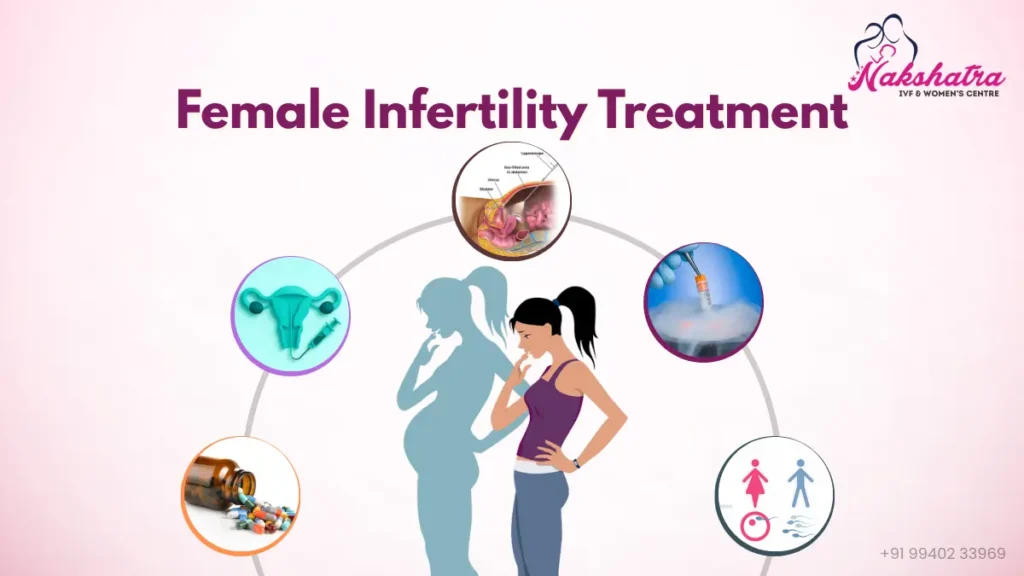
    female-infertility-treatment

    1: Pharmacological therapy

    Medications are usually the first line of treatment for ovulation disorders in women. Clomiphene citrate and gonadotropin are common medicines that are used to induce ovulation and are successful in approximately 80% of women. Metformin is prescribed by doctors for women with PCOS to improve insulin sensitivity and regulate the menstrual cycle. It is strongly recommended to seek medical advice, adhere to the doctor’s prescription, and refrain from self‑medication.

    2: IVF and IUI

    In Vitro Fertilization (IVF) and Intrauterine Insemination (IUI) are revolutionary fertility treatments that have transformed reproductive medicine. Through impressive success rates, IVF and IUI have helped several couples embrace the happiness of parenthood. IVF treatment involves combining the egg and sperm outside the body. After fertilization, the embryo is implanted back into the uterus. IUI is a procedure where the sperm is directly placed in the uterus. It is advisable to consult the best IVF doctors to maximise the likelihood of successful outcomes. Either IVF or IUI would be suggested by the doctor based on the cause of infertility.  

    3: Surgery

    When the cause of female infertility is related to uterine factors or endometriosis, hysteroscopic surgery, myomectomy, or laparoscopic surgery is recommended by the fertility expert. Surgery in selective female infertility cases has shown improved pregnancy rates and reduced incidences of miscarriages. 

    4: PRP therapy

    Platelet-rich Plasma (PRP) therapy is a medical procedure in which platelets are concentrated from the patient’s own blood and carefully reintroduced into the specific reproductive region to promote healing and regeneration. In female infertility treatment, PRP contributed to improved follicular growth, egg quality, endometrial thickness, and embryo implantation, which in turn supports IVF success rates.

    5: Egg freezing

    Freezing of viable eggs for future use is a valuable option for women with infertility issues. Egg freezing may be beneficial for women who have experienced premature menopause, have a history of cancer, or wish to delay childbearing. 

    6: Supplementary therapy 

    Lifestyle-related causes of infertility in females may require adjustments in diet, exercise, sleep, and social habits. Weight management has shown to improve the rate of conception by 20% to 30%. Avoiding smoking and alcohol drinking has shown to increase IVF success rates by 15%. Acupuncture, an ancient Asian medicine, has also shown positive effects on IVF outcomes. 

    7: Donor egg and Surrogacy

    In scenarios where the woman’s own eggs are not viable, donor eggs that are carefully screened can be used. Surrogacy is when another woman bears and gives birth to the child on behalf of the intended parents.  

    Contemporary medical advancements have introduced multiple treatment options for female infertility, turning dreams of parenthood into reality for countless couples. 

    Causes of Infertility in Male

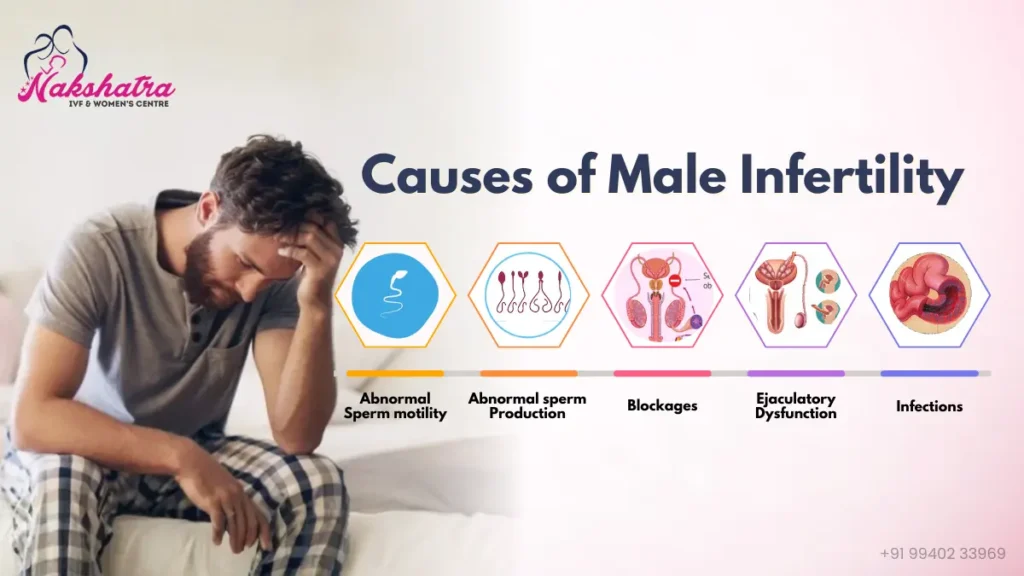
    Male infertility arises from various etiological factors, as outlined below:

    causes-of-infertility-in-male

    Abnormal sperm motility: The sperm should be able to move efficiently for successful fertilization. Problems in sperm motility can cause infertility in males. 

    Abnormal sperm production: The male reproductive system should achieve proper growth and formation to support normal production of sperm. Challenges in this can affect the production of sperm.

    Blockages: Infections, surgery, or congenital disorders can cause blockages in the ducts that carry the sperm. This can cause trouble in the transportation of the sperm. 

    Ejaculatory dysfunction: Problems in ejaculation may arise due to diabetes, certain medications, or bladder surgery. 

    Infections: Sexually transmitted diseases may lead to male infertility by preventing sperm production and motility. 

    Other causes: Factors like cancer, genetic disorders, exposure to pesticides, X-rays, and toxins, smoking, and obesity are also possible causes of infertility in males. 

    What are the Diagnostic Methods for Male Infertility?

    To diagnose male infertility, some of the following tests may be recommended by your andrologist. 

    • Semen analysis
    • Ultrasound
    • Blood tests to analyse hormone levels
    • Genetic tests
    • Physical examination of the testes and penis

    Treatment Options for Male Infertility

    Depending on the underlying cause of infertility in males, different treatments will be suggested by your doctor. The possible treatment options for male infertility are discussed below. 

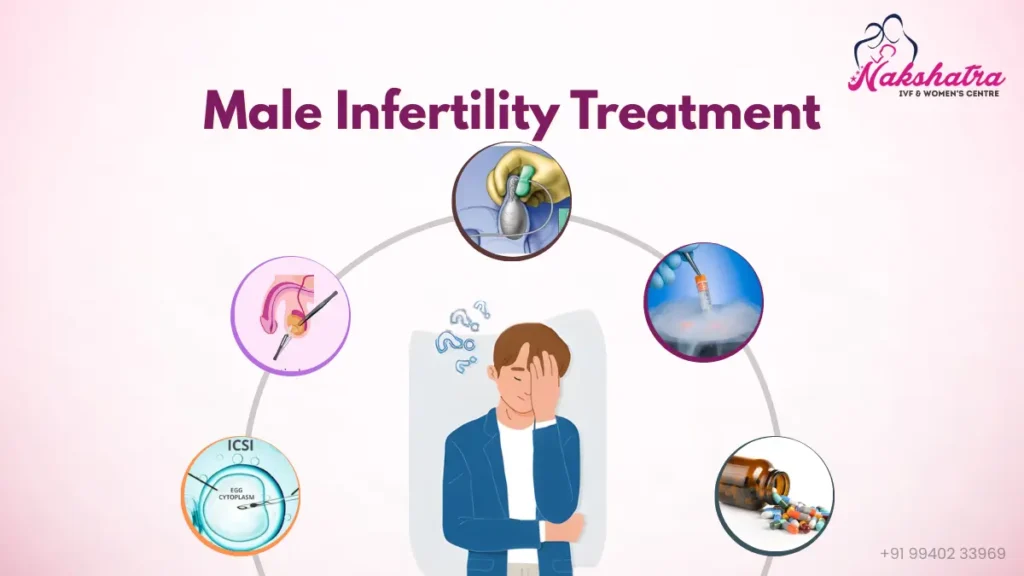
    treatment-options-for -male-infertility

    1: ICSI 

    Intracytoplasmic Sperm Injection (ICSI) is a strategic choice for treating male infertility when sperm quality and quantity are reduced. ICSI treatment involves injecting the sperm directly into the egg’s cytoplasm, ensuring fertilization. Assisted reproductive technologies (ART) like ICSI have delivered positive solutions to many couples struggling with infertility. 

    2: Sperm freezing

    Sperm cryopreservation or freezing is a specialized technique where sperm are collected and stored at very low temperatures so they can be used later. 

    3: Surgery

    Enlarged veins in the scrotum or blockages are corrected through surgical procedures. It is recommended to consult a fertility specialist to determine the underlying cause and consider surgical options if necessary.

    4: Sperm retrieval techniques

    In cases when sperm is absent in the ejaculate, sperm can be retrieved from the testes or epididymis using techniques like TESA (Testicular Sperm Aspiration) or PESA (Percutaneous Epididymal Sperm Aspiration). 

    5: Medications

    Drug therapy is used to correct hormones and promote spermatogenesis. Antibiotics are used to treat infections in the male reproductive tract. Antioxidant supplementation is an additional therapy suggested to improve semen parameters. 

    6: Lifestyle modifications

    For male infertility, following a healthy lifestyle can be of great help. Managing body weight with regular exercise and a healthy diet, quitting smoking and alcohol drinking, getting adequate sleep, and managing stress are valuable measures to promote male fertility.

    Getting Expert Help

    Infertility in males and females is becoming a growing challenge across the globe. Recent medical advancements have expanded infertility treatment options, facilitating the journey of parenthood for many couples. A fertility expert can assist you in understanding the underlying cause through strategic diagnostic testing and provide effective treatment options.

  • Semen Ingestion: Benefits, Risks, Safety Measures

    Semen Ingestion: Benefits, Risks, Safety Measures

    Introduction

    The title of this article may have stirred a spectrum of reactions in your minds. For some of you, it may have landed like a jolt-unsettling, bizarre, or even as a taboo practice, while for others it may have sparked a hushing curiosity to know the unknown. 

    Here is an intriguing anthropological fact. Among the Sambia people of Papua New Guinea, there is a cultural ritual for young boys that involves ingesting semen. This traditional act is based on the belief that it provides power, strength, and the essence of manhood to the young boys.

    Now, apart from culture and traditions, some people orally ingest semen for sexual pleasure or for its nutritional punch. This article navigates into the biological components, benefits, and potential risks of sperm swallowing.

    Understanding Semen

    Semen, or the male ejaculate, is an organic blend of sperm and multiple biochemical compounds. The fluid in the semen is collected from the prostate gland, seminal vesicles, and bulbourethral glands. 

    During the process of ejaculation, semen is released from the seminal vesicle in the pelvis. However, the amount of semen released varies for every ejaculation. The different biological components in the semen are explained below.

    • Studies have described male semen to contain carbohydrates, protein, organic acids, lipids, nucleic acids, vitamins, minerals, salts, hormones, urogenital microbial flora, and immune and glandular cells. 
    • Some of the essential nutrients found in the semen include glucose, fructose, lactic acid, calcium, magnesium, potassium, zinc, citrate, and many more. But this does not make the semen an ideal candidate to fulfil the nutritional needs of humans. 
    • Research denotes that semen may carry between 30 million and 1 billion sperm cells per ejaculation. The other compounds in the semen are either bound to the sperm or packaged into vesicles that later fuse with the sperm or exist as fully soluble particles. The nutrients in the semen help nourish the sperm to stay alive and to travel in the vagina, withstanding the challenging environment.
    • Over 2000 unique proteins have been identified in the semen. On average, about 5040 mg of protein is present in 100 mL of semen. In general, only about 1.5 mL to 5 mL of semen is released per ejaculation. The proteins have been shown to exhibit antimicrobial effects on viruses, bacteria, and fungi. 

    The biological makeup of the semen is highly variable and is shaped by individual differences and stages of life. The dietary choices and lifestyle of the individual can also have an impact on the quality of the semen. 

    How Safe is it to Swallow Semen?

    The components of the semen pose no harm to the body. However, a few scenarios make it unsafe to swallow semen. 

    The semen can carry sexually transmitted infections (STIs), making it a primary route of transmission during oral sex. Hence, the risk of exposure to herpes, gonorrhea, chlamydia, HIV (Human Immunodeficiency Virus), trichomoniasis, and syphilis can be high during oral consumption of semen. The semen may also carry strains of the human papillomavirus (HPV) that may cause throat cancer.

    While some people can experience allergic reactions to semen, clinically known as seminal plasma hypersensitivity. The common symptoms of semen allergy include itching, discomfort, and swelling at the site of contact. 

    is-it-safe-to-swallow-semen

    Can Semen Swallowing Be Healthy?

    Although several different nutrients have been identified in the semen, there are onlytrace amounts of these nutrients in a single ejaculation. Some studies have found the semen to possess antidepressant and mood-enhancing properties. There are a few studies that have also pointed to the potentialbenefits of eating the semen of animals. However, there is insufficient evidence on the beneficial effect of oral intake of human semen.

    Safety Practices to Consider

    The best and easiest way to prevent complications from swallowing semen is to avoid oral sex or use a condom. However, the following points should be considered before swallowing sperm to ensure safety. 

    • Note the colour and smell of the semen. In general, it is a whitish to grayish colour. Yellow or green coloured semen could be due to an infection or certain medications. Red coloured semen indicates inflammation in the reproductive glands. 
    • Semen usually has a very mild or no noticeable smell. A foul smell could be due to an infection or other health issues. 
    • The taste of semen may differ due to different reasons. A high pH can make it taste bitter or salty, while high fructose content gives it a sweet taste. A metallic taste may occur due to the high presence of certain vitamins and minerals. 

    Final Thoughts

    There is no adequate scientific research on the oral intake of semen to prove its safety or benefits. Better safe than sorry is the smart way to prevent health complications. Although the ingredients present in the semen do not cause any harm, the semen as such may act as a carrier for infections and allergies. Screening semen for sexually transmitted infections (STIs) and assessing the recipient for potential allergy is recommended before oral exposure. If you have been in oral contact with sperm and have any concerns, immediately consult a health care professional. 

  • Thick Semen: Causes, Treatment, Fertility Effects

    Thick Semen: Causes, Treatment, Fertility Effects

    Semen and Its Viscosity

    Semen is an important fluid produced by the male reproductive system. It is a whitish-gray fluid that is produced during ejaculation and consists of sperm and other fluids from the seminal vesicles and prostate. It helps in protecting, nourishing, and transporting the sperm. 

    The consistency of the semen is a rarely discussed topic, but a vital part of male fertility. The thickness of the semen could vary between individuals. Semen viscosity can fluctuate over time, and even between consecutive ejaculations. Variations in viscosity may have measurable effects on fertility.

    What is a Healthy Semen Consistency?

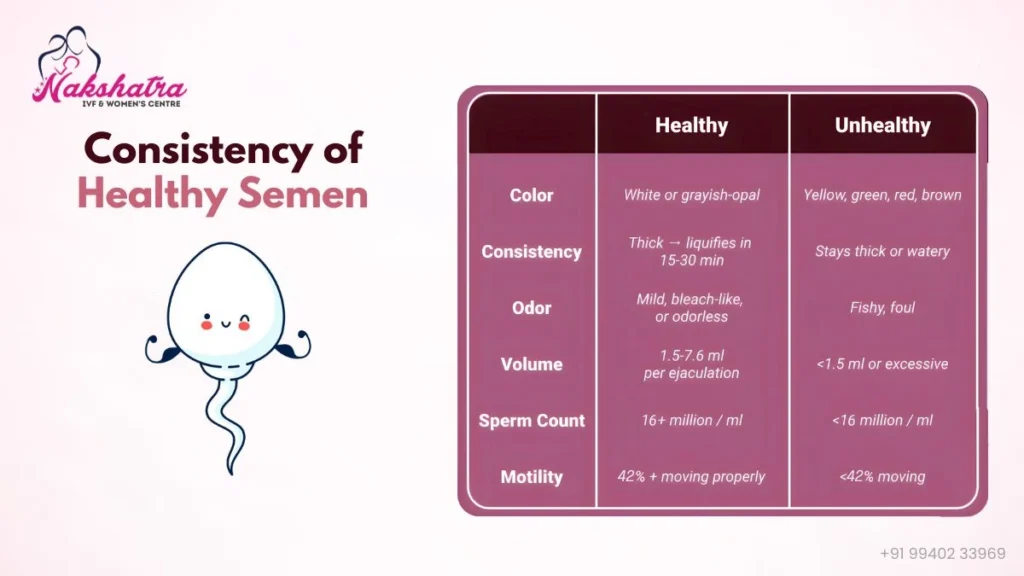
    It can be challenging to identify if the semen is abnormal. Typically, the semen tends to be thick immediately after ejaculation. The normal semen consistency can be identified using the following characteristics:

    • It is thick and gel-like immediately after ejaculation
    • Starts to liquefy and becomes thinner in consistency in about 15 to 30 minutes after ejaculation
    • It is whitish to gray in colour 
    • Due to its alkaline properties, it smells of chlorine or bleach-like
    • The average volume per ejaculation ranges from 2 to 5mL

    The white colour of the semen is due to the high number of sperm present in it. The proteins in it give it a gel-like texture. Factors such as diet, exercise, hydration status, and more can influence the nature of the semen. A semen analysis that includes viscosity testing can be recommended by the fertility specialist to determine the thickness of the semen.

    Causes of Thick Semen Consistency

    When semen is abnormally thick, it is clinically referred to as semen hyperviscosity. Changes in semen consistency could arise depending on one’s dietary patterns, intake of vitamins (especially vitamin B12), intensity of physical activity, social habits such as drinking alcohol or using cannabis. The common causes of thick semen could be due to different factors, as discussed below.

    Dehydration

    Water is an important component of semen. Inadequate water content or lack of fluids can thicken and concentrate the semen. Maintaining the normal pH of the body is essential to regulate the viscosity of the semen. The average pH level of the body is typically 7.4.  When the body is dehydrated, the pH level might change. Signs of dehydration include exhaustion, infrequent urination, dark coloured urine, dizziness, and extreme thirst. Drinking enough water can help regulate the pH and thereby help restore semen consistency. 

    Infrequent ejaculation

    Not ejaculating frequently or ejaculating after a long period of time can result in an increased total amount and thickness of semen. When thick semen becomes a concern, ejaculate every few days. 

    High sperm count

    An increase in the number of sperm cells can result in increased viscosity. 

    Hormonal imbalances

    There are different hormones, such as testosterone and steroid hormones, present in the semen. These hormones protect the sperm in the acidic conditions of the vaginal environment. Testosterone is a vital hormone in the production and quality of semen. Changes in thyroid hormones can also indirectly impact the quality of the semen. Imbalances in the hormone that might arise due to aging, unhealthy eating patterns, and reduced physical activity can thicken the semen and affect the sperm morphology. Some of the common signs and symptoms of hormonal imbalance are fatigue, abnormal hair loss, loss of muscle, reduced sexual desire, and erectile difficulty. 

    Infections

    Male accessory gland infection or inflammation (MAGI) is associated with hyperviscosity of semen. MAGI refers to infection or inflammation in the prostate, epididymis, or seminal vesicles. The bacteria causing infection lead to accumulation of leukocytes and oxidative imbalance due to increased production of reactive oxygen species (ROS). The increase in oxidative stress can harm the sperm and affect fertility. The possible signs and symptoms of infection are bloody urine, swollen or painful scrotum, pain or burning sensation during urination, difficulty in urinating, and fever. Studies have shown that the presence of bacteria in the semen could compromise sperm quality. It may lead to clumping of motile sperm, reducing their ability for fertilization (by reducing acrosome reaction), and altering cell morphology. 

    Problems in the prostate or seminal vesicles

    To produce semen, sperm are obtained from the testicles, seminal fluid from the seminal vesicles, and prostatic fluid from the prostate. Glands like the Cowper’s glands and the epididymis also, to a small extent, contribute to semen formation. Disruption in any of these glands or inflammation in the prostate or seminal vesicles may lead to unusually thick semen. The thickening of the semen indicates that the contribution of fluids from these organs has been disrupted, making them release abnormal amounts of fluid. Painful urination, frequent urination, and painful ejaculation are the common symptoms experienced.

    When does Thick Semen need Medical Attention?

    Although thick semen is generally normal, it is recommended to consult a male fertility doctor when the following are experienced.

    • After ejaculation, it does not liquefy even after 60 minutes.
    • Appears sticky or clumpy
    • Difficulty in ejaculation
    • The couple finds it difficult to get pregnant.
    • Recently had unprotected sexual intercourse with someone who may have a sexually transmitted infection (STI), or they have not been tested within the past 6 months.
    • Painful sex
    • Pain during urination
    • Foul smell
    • Fever

    Does Thick Semen Affect Fertility?

    Thick semen helps the sperm stay in the female reproductive tract for a longer period of time, thereby increasing the chances of pregnancy. However, semen hyperviscosity or abnormally thick semen can hinder the movement of the sperm, making it difficult to reach the egg. When the thickness is associated with infections, inflammation, and oxidative stress, the sperm quality is compromised, thereby leading to fertility issues. Research has also found that hyperviscosity could affect IVF treatment outcomes. Therefore, persistent semen hyperviscosity combined with failure to achieve natural conception for over a year necessitates immediate medical evaluation.

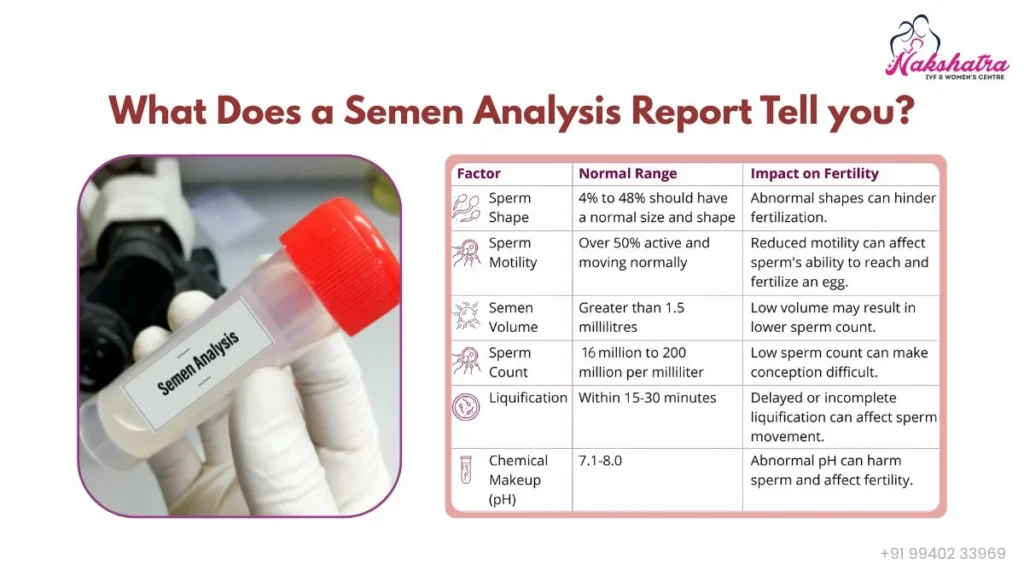
    Semen Analysis for Understanding Male Fertility

    Semen analysis is a fruitful procedure in male infertility treatment. It helps in evaluating semen viscosity, sperm motility, and sperm morphology. It helps in understanding the underlying factors negatively impacting male fertility and in planning effective treatment. Therefore, a semen analysis will help to clearly differentiate normal thickness from abnormal viscosity.

    Treatment for Thick Semen

    The treatment for thick semen depends on the underlying cause. However, some of the possible treatment options include,

    • Staying well hydrated. Drinking plenty of fluids can help rule out dehydration and reduce the risk of urinary tract infections. Avoiding caffeine and sodas is recommended. 
    • Regular ejaculation is also suggested by fertility specialists in order to prevent thickening of the semen. 
    • Antioxidant therapy, antibiotics, and anti-inflammatory agents might also be suggested by doctors. Antioxidants help in reducing oxidative stress and preventing oxidative damage to sperm.
    • Lifestyle changes such as maintaining a healthy body weight, managing stress, and avoiding alcohol intake and smoking tobacco can help improve male fertility.

    Final Thoughts

    Males are found to be responsible for 20% of infertility cases, of which semen hyperviscosity is also a causative factor of male infertility. Thick semen is observed initially during ejaculation and is necessary for successful reproduction. However, abnormally thick semen should be addressed with the help of an andrologist or male fertility expert as soon as possible.

    FAQ

    Is thick semen better than watery semen?

    Semen has a gel-like consistency and is thick when ejaculated. It becomes more liquified within 15 to 30 minutes after ejaculation.

    Is pregnancy possible when semen is thick?

    Thick semen can help keep the sperm in the female reproductive tract for a longer duration. But abnormally thick semen can hinder the movement of sperm to the egg.

    How to know if the thickness of semen is a concern?

    When the following are experienced, it is essential to seek medical help: semen does not liquify even after an hour of ejaculation, difficulty in naturally conceiving for over a year, painful sex, painful urination, fever, and foul-smelling semen.

    Is thick semen healthy?

    Healthy semen appears thick for up to 30 minutes after ejaculation. However, infections, inflammation, dehydration, and a poor lifestyle can affect semen viscosity.

    Can semen viscosity affect male fertility?

    The underlying cause of hyperviscous semen can have a negative impact on fertility. Increased oxidative stress can affect sperm quality, thereby reducing fertility rate.

  • Sperm Cramps in Males: Causes, Symptoms & Treatment

    Sperm Cramps in Males: Causes, Symptoms & Treatment

    Sperm cramps, sperm pain or tenderness of the testicles, groin, or lower abdomen during or after ejaculation, are often an overlooked aspect of men’s health. Even though rarely reported, the majority of men experience this but don’t seek their healthcare provider for fear of being stigmatized or due to ignorance. 

    In India, with little discussion on male reproductive health, these conditions go undiagnosed. Since male factors contribute to up to 40-50% of cases of infertility, it is critical that all reproductive health complications be tackled.

    Let\’s explore sperm cramps in depth—the symptoms, causes, potential risks, and available treatments—to better understand and manage this condition effectively.

    What are Sperm Cramps?

    Sperm cramps are a sensation of mild tenderness of the testicles, groin, or lower abdomen, typically experienced during ejaculation. While not a medical condition in itself, this sensation may be due to underlying conditions such as swelling of the epididymis (epididymitis), prostate gland (prostatitis), or pelvic floor tension.

    For instance, males may get slight to moderate testicular pain from the built-up sperm if they go for a long period of time without ejaculation.
    On the other hand, regular ejaculation can also lead to cramping and short-term muscular tiredness.

    If you get the occasional cramps, it is likely not a cause for concern. But knowing the symptoms can help identify possible causes and decide when it would be a good idea to see a doctor.
    Let\’s take a closer examination of what we should be looking for.

    The Mystery of Sperm Cramps in Males

    Sperm cramps, often referred to as testicular or spermatic cramps, are a puzzling and under-discussed issue in men’s reproductive health. Though many men experience these cramps, they tend to be overlooked, leading to confusion and inadequate attention.

    Why are Sperm Cramps Often Overlooked?

    Lack of Awareness
    Many men may not connect their discomfort to sperm cramps, instead attributing it to less specific causes or dismissing it as unimportant. This lack of awareness leads to underreporting and a lack of meaningful conversation about the issue.
    Cultural Stigma
    In many societies, discussing reproductive health can still carry a stigma, especially when it comes to male health. This cultural reluctance often prevents men from seeking help or even talking about their symptoms, keeping sperm cramps in the shadows.

    Symptom Variability:
    The symptoms of sperm cramps can range from mild discomfort to sharp pain, which makes it difficult to pinpoint and diagnose. This wide variability can lead both patients and healthcare providers to overlook the issue or confuse it with other conditions.

    Misinterpretation of Causes

    The term sperm cramps itself is not a medically standardized term, which leads to confusion. Without a clear definition, both men and healthcare providers may struggle to identify the true cause, often overlooking underlying conditions that may be contributing to the pain. 

    What are the Symptoms of Sperm Cramps?

    Sperm cramps exhibit a wide range of symptoms whose intensity varies with the cause. Mild symptoms occasionally may not be serious, but chronic and severe symptoms must be treated by a physician. The following is a detailed description of the common symptoms:

    Lower Abdominal and Testicular Discomfort:

    • Some individuals experience a sharp, aching, or burning sensation that begins from the testicles and radiates down into the lower abdomen. The pain may be intermittent or chronic, with some individuals experiencing a throbbing ache for several hours.

    Swelling and Tenderness:

    • Inflammatory conditions such as prostatitis or epididymitis can lead to swelling, fluid retention, and tenderness of the testicular region. Even light pressure on the area can be painful.

    Pain During Ejaculation or After Sex:

    • Some individuals experience sharp or ongoing pain during or following ejaculation. The symptom is most commonly due to spasms of the pelvic muscles, prostatic inflammation, or irritation of the reproductive system nerves.

    Discomfort When Standing or Seated :

    Standing and seated for extended periods of time can exacerbate the cramps, particularly for individuals with pelvic floor dysfunction or varicocele (enlargement of the scrotal vein). The cramps may resolve when lying down.

    Burning Sensation on the Testicles or Groin Area :

    • Men may feel a burning or stinging sensation on the testicles, the perineum, or during urination if a bacterial infection, such as a urinary tract infection (UTI) or prostatitis, exists.

    Heaviness or Fullness of the Groin :

    • Retaining too much semen or prolonged arousal with no release can give the scrotum a feeling of heaviness, possibly with some cramping.

    Radiation of the Pain to the Thighs or Back :

    • In some cases, the nerves can radiate the pain from the testicles down to the inner thighs, the perineum, or the lower back.

    Recurring symptoms may be a manifestation of a chronic illness such as epididymitis, prostatitis, or varicocele, and warrant further investigation. 

    If any of these symptoms become chronic, you should consult a fertility doctor for a diagnosis of the underlying cause and treatment.

    What are the Most Common Causes of Sperm Cramps?

    Sperm cramps can happen for different reasons, like muscle contractions, infections, or blood flow issues. Knowing what’s causing them makes it easier to find the right treatment and avoid any complications down the line.

    Common Issues How to IdentifyCauses of Specified TypePossible Treatment Plan
    Post-Ejaculatory DiscomfortDull, aching pain in testicles and lower abdomen, persisting for a few minutes after ejaculation.Caused mostly due to pelvic muscle contraction.Practice breathing exercises, stay hydrated, and avoid frequent sexual activity.
    Epididymal Hypertension (Blue Balls)Heavy, aching pain in testicles, sometimes with swelling or discomfort.Increased blood flow to the testicles due to prolonged arousal without ejaculation.Ejaculate if comfortable, apply a cold pack, and increase physical activity.
    ProstatitisPain during ejaculation and urination, a pressing sensation in the groin area.Bacterial infection and inflammation of the prostate.Antibiotics, anti-inflammatory medication, and pelvic exercises.
    Pelvic Floor DysfunctionChronic pelvic and testicular pain during ejaculation; worsens with prolonged sitting.Overactive or tight pelvic muscles.Physiotherapy, pelvic floor relaxation exercises, and lifestyle modifications.
    VaricocelePain or soreness after standing for long periods, heavy sensation in the scrotum.Poor blood circulation leading to enlarged testicular veins.Wear supportive underwear, take anti-inflammatory medication, surgery if fertility is affected.
    Testicular TorsionAcute scrotal pain, swelling, redness, nausea.Twisting of the spermatic cord, cutting off the blood supply to the testicle.Emergency surgery within hours to prevent testicular damage.
    EpididymitisGradual onset of pain, swelling, and tenderness; fever in severe cases.Bacterial infection due to STIs or UTIs causes epididymal inflammation.Antibiotics, ice packs, rest, and pain management.

    What are the Risks Associated to Males With Sperm Cramps?

    While sperm cramps may seem like a minor discomfort, leaving them untreated can lead to more severe health complications. 

    Here are some potential risks:

    Persistent and Severe Pain:

    • Chronic discomfort can affect daily life, work, relationships, and mental health, potentially leading to anxiety or stress.

    Infection Spread:

    • Untreated infections, like prostatitis or epididymitis, can spread, causing long-term complications in the reproductive system.

    Testicular Torsion:

    • If not addressed quickly, testicular torsion can cause permanent damage or even the loss of the affected testicle.

    Infertility Risks:

    • Infections or varicocele can reduce sperm quality and count, increasing infertility risk if left untreated.

    Psychological Impact:

    • Ongoing pain can lead to emotional distress, including depression and anxiety, often impacting relationships.

    Sexual Dysfunction:

    • Persistent pain can affect sexual performance, libido, and intimacy, creating a frustrating cycle.

    Early diagnosis and treatment are very important to preventing these risks and ensuring long-term reproductive health.

    Treatment for Sperm Cramps in Chennai

    The treatment for sperm cramps largely depends on the underlying cause and the severity of the symptoms. In Chennai, where awareness around male reproductive health may be limited, it’s important that you seek proper guidance. 

    Here are some common and effective treatment options available:

    Antibiotics and Anti-Inflammatory Drugs:

    • If the cramps are caused by an infection like epididymitis or prostatitis, your doctor may prescribe antibiotics to treat the bacterial infection. Anti-inflammatory medications, like ibuprofen, are commonly used to reduce inflammation and ease pain. In India, where infections often go untreated due to a lack of awareness, timely intervention is key to preventing complications.

    Cold Packs:

    • For cases of swelling or tenderness, especially in conditions like \”blue balls,\” applying cold packs to the scrotum can provide immediate relief. The cold helps constrict blood vessels, reducing swelling and numbing the pain, offering temporary comfort. This is a simple remedy commonly recommended by doctors in India for mild discomfort caused by prolonged sexual arousal without ejaculation.

    Regular Exercise and Healthy Lifestyle:

    • Maintaining a healthy lifestyle, including regular physical activity, is crucial in managing and preventing sperm cramps. Exercise improves blood circulation, reduces stress, and supports hormone regulation—all important for reproductive health. Pelvic floor exercises, which are often overlooked in India, can also help alleviate muscle tension and prevent cramping. A balanced diet rich in vitamins and antioxidants supports sperm health, further reducing the likelihood of cramping.

    Ejaculation Based on Condition:

    • In cases where sperm cramps are linked to excessive semen retention (like \”blue balls\”), frequent ejaculation can help alleviate the build-up of pressure. However, if the cramps are caused by an infection or other conditions like prostatitis, it’s important to avoid ejaculation until the infection is treated. Consulting a doctor is crucial to ensure proper guidance.

    Wearing Supportive Undergarments:

    • Tight or poorly supportive underwear can worsen discomfort from sperm cramps. In India, men often wear loose-fitting clothing, but switching to supportive, comfortable undergarments (like briefs or athletic supporters) can help stabilize the testicles, reduce friction, and relieve strain on the scrotum and pelvic muscles. This simple change can provide relief, especially for those with conditions like varicocele.

    Emergency Surgery:

    • In more severe cases, such as testicular torsion, immediate surgical intervention is necessary to restore blood flow and prevent permanent damage to the testicle. Testicular torsion is a medical emergency that requires prompt attention, and in India, where access to immediate medical care might sometimes be limited, it’s critical to seek urgent care if you suspect this condition.

    Physiotherapy:

    • For men experiencing pelvic floor dysfunction, physiotherapy is an effective treatment. In India, physiotherapy is gaining recognition for its benefits, and trained physiotherapists can teach pelvic floor relaxation exercises that relieve muscle tension, improving overall pelvic health. This approach can help men dealing with chronic testicular pain or discomfort due to muscle imbalances.

    Pain Management and Supportive Therapies:

    • Over-the-counter pain medications, like acetaminophen or NSAIDs, can offer short-term relief. In India, complementary therapies like acupuncture or massage therapy are also gaining popularity for relieving pelvic muscle tension. These alternative treatments can complement medical treatment and provide a holistic approach to managing sperm cramps.

    Given the stigma around male reproductive health in India, many men hesitate to seek help. However, consulting with a healthcare professional can provide clarity and ensure that proper treatment is provided, improving overall health outcomes.

    Can Sperm Buildup Cause Abdominal Pain in Males?

    Yes, sperm buildup, often referred to as epididymal hypertension or \”blue balls,\” can cause abdominal pain in males. When sperm is not ejaculated over time, increased pressure and blood flow to the testicles can lead to discomfort, which may radiate to the lower abdomen, causing a dull, aching pain.

    When Should One Reach Out for Medical Help?

    Sperm cramps or testicular pain should not be ignored, especially if the symptoms persist or worsen over time. While mild discomfort can occasionally resolve on its own, certain signs warrant medical attention.

    Seek Medical Help If:

    Pain persists or recurs frequently:

    • If you experience testicular or abdominal pain that lasts for several days or keeps coming back, it’s important to consult a healthcare provider.

    Pain is accompanied by swelling, redness, or warmth:

    • These symptoms might indicate an infection, such as epididymitis or prostatitis, and require treatment with antibiotics (Mayo Clinic).

    Pain during urination or ejaculation:

    • If you experience pain while urinating or during ejaculation, it could point to issues like prostatitis or epididymitis, which need prompt medical evaluation (National Institute of Diabetes and Digestive and Kidney Diseases).

    Immediate Medical Attention Needed:

    Sudden, severe pain:

    • If the pain comes on suddenly and is intense, especially if accompanied by nausea or vomiting, it could be a sign of testicular torsion, which requires emergency surgery to prevent permanent testicular damage.

    Fever or chills:

    • These symptoms, along with pain and swelling, may indicate an infection, which, if untreated, can lead to complications.

    Difficulty moving or walking:

    • This can indicate severe testicular torsion or another acute issue that requires urgent care.

    How Can We Help If You Experience Sperm Cramps?

    Sperm cramps, though increasingly common, are usually not life-threatening and, if treated early, won’t lead to infertility. While the discomfort can be concerning, it’s manageable with the right care. Early treatment can prevent complications and address underlying issues like infections or pelvic problems, helping you get back to feeling normal.

    If you’re concerned about your reproductive health or planning for the future, it’s a good idea to consider pre-pregnancy counseling

    At Nakshatra Fertility Clinic, we specialize in Reproductive Medicine and offer advanced treatments like IUI and IVF in Chennai. Our team is here to provide personalized care and support, helping you and your partner achieve your fertility goals. 

    Talk to a doctor today who can guide you through your journey to parenthood.

  • Best Fertility (IVF, IUI, ICSI) Hospital in OMR, Chennai

    Best Fertility (IVF, IUI, ICSI) Hospital in OMR, Chennai

    Infertility sheds a great impact on the families and communities among millions of people around the globe. 

    Though the number of fertility hospitals has peaked in Chennai, addressing infertility issues remains a challenge for many due to the lack of availability and accessibility, and poor quality of interventions. 

    Finding the best fertility hospital in Chennai is streamlined by Nakshatra IVF & Women’s Centre, located in OMR. This article helps in choosing the best fertility hospital by highlighting the factors that define it.

    Why Choose the Best Fertility Hospital in Chennai?

    Choosing the best fertility hospital plays a significant role in one’s fertility journey. According to the World Health Organization (WHO), it is estimated that about one in six people face infertility issues. Infertility is defined by WHO as the inability to achieve pregnancy after 12 months or more of unprotected, regular sexual intercourse. It may occur in both male and female. 

    Infertility has a significant negative impact on the social, emotional, and personal aspects of individuals. Choosing the best fertility hospital in Chennai is crucial in order to attain success. Infertility can be caused by a number of circumstances, and the type of treatment may differ depending on the cause. Receiving clinical help for pregnancy is a path filled with hope and dreams, and hence choosing the top fertility hospital sets a strong baseline towards successful parenthood. 

    Receiving expert care, treatments using advanced technologies, personalized treatments, and supporting services are the key factors that help make the right choice in starting a family. Choosing the best fertility centre also helps in maintaining sound mental wellness and comfort throughout the fertility journey.

    Chennai, being a vast metropolis in the country stands as the medical hub with numerous health care centres. Given the abundance of IVF and fertility clinics spread throughout the city, selecting the best fertility center in Chennai can be a daunting task.

    However, this article may ease that task for you. 

    Factors To Consider While Choosing the Best Fertility Hospital

    The first step in seeking medical help for fertility issues is choosing the best fertility hospital. Looking into the hospital’s expertise, availability of advanced technology, medical equipment, patient care approach, additional services, and their success rates can guide an individual to pick out the best fertility care to achieve pregnancy.  

    The key factors to be considered are discussed below.

    • The accreditation of a hospital denotes that high standards of care, ethical practices, and safety are followed. It is best to choose fertility centres that are accredited by recognised fertility boards and health authorities. 
    • Specialised doctors can help make a huge difference by treating specific conditions with their skills and experience.
    • Having a comprehensive care team that includes nurses, specialised doctors, and counselors can help provide a wholesome medical support. Choosing a comprehensive care team can make the fertility journey smooth and a memorable one.
    • Treatments vary for different diagnosis and hence availability of advanced technologies, and infrastructural facilities can be beneficial.
    • The best fertility hospital will assess the individual’s complete profile and create a customized treatment plan.
    • The hospital must have access to different treatment options like IVF, intrauterine insemination (IUI), intracytoplasmic sperm injection (ICSI), sperm donation, egg donation, embryo freezing, and genetic screening. 
    • Hospitals that provide a holistic approach can enhance the chances of success, and provide all the care needed under one roof. 
    • Top fertility clinics aim to contribute to the emotional and psychological support of individuals. They have support groups and counselors who help in making informed decisions. 
    • The location of the hospital also plays a crucial role. Nakshatra IVF & Women’s Centre is one of the best fertility hospitals in Chennai, and is accessible to people residing in OMR.
    • Transparent financial details may help in decision-making and reducing stress. Most fertility treatments may require frequent doctor visits, lab tests, follow-up sessions, and the use of several medications that may increase expenses. Hence, choosing hospitals that provide insurance coverage and clear quotations is wise. 
    • Hospitals that follow regulations and legal guidelines can steer clear of potential issues and risks. 
    • The success rates of the fertility hospital can greatly influence and build trust among aspiring parents. Looking into patients’ success stories and their reviews talks a lot about the hospital’s professionalism and approach to care. 

    Best Fertility Hospital in OMR (Old Mahabalipuram Road): Nakshatra IVF & Women’s Centre

    An esteemed fertility hospital will provide a balance of compassionate care, clear communication, and advanced medical treatment. Your search for all this ends here at the best fertility hospital in Chennai. At Nakshatra IVF & Women’s Centre in OMR, the entire medical team ensures to create a supportive environment and takes time to explain each step of the procedure. They guarantee to value both the emotional and physical needs of the individuals throughout their IVF procedure. 

    The space below explains the factors that check to qualify Nakshatra IVF & Women’s Centre as one of the best fertility hospitals in Chennai. 

    Experience And Qualifications Of The Doctors And Staff

    The specialisations and experience of the care team in the hospital build trust and confidence among the individuals. 

    At Nakshatra IVF & Women’s Centre, experts of the following field aim to provide a successful fertility journey

    • Andrology
    • Embryology
    • Obstetrics
    • Gynecology
    • Laparoscopic surgery
    • Sexual medicine and Fertility specialists

    Types Of Fertility Treatments Offered

    There are different treatments available for different infertility problems for both men and women. At Nakshatra Fertility Clinic they understand that parenthood is unique for every parent and requires tailored care. They offer specialised treatments for all reproductive problems among both men and women. 

      • Reproductive healthcare that sheds focus light in diagnosing and treating fertility issues, usage of state of the art technologies like IUI, IVF, and genetic counseling are provided.
      • It also stands to be one of the best male fertility clinics in Chennai by providing end-to-end medical care in andrology. They focus on diagnosing and treating male reproductive issues like sexual dysfunction, urinary health issues, infections, ejaculation issues, and other male infertility problems.
      • Women are the backbone of a family and are the primary support system. A woman’s health exhibits a domino effect on the family and society. At Nakshatra IVF & Women’s Centre, the gynecologists offer specialized care for women’s health. They help in diagnosing and treating menstrual problems like dysmenorrhea, amenorrhea, PCOS, endometriosis, and more, menopause management, and address adolescent gynecology as well. 
      • The period before and after pregnancy are crucial stages that need extra care. At Nakshatra Fertility Clinic obstetrics care is also provided by their experts. They ensure that routine check-ups are done before and during pregnancy. They diagnose and treat complications during pregnancy, and carefully monitor the mother and baby after delivery. 
      • Postpartum is an often ignored and less aware stage of parenthood that calls for special care and attention. At Nakshatra IVF & Women’s Centre postnatal care is provided to ascertain good physical health, and mental well-being of the mother. 
      • They also provide breastfeeding support to create awareness among mothers about the importance and right method of breastfeeding.  
      • Marital counseling is a huge supporting pillar in the journey of parenthood. Education and support is provided for both men and women to make them feel comfortable and enjoy the process of becoming parents and starting their own family. 

    Clinical Technology And Equipment

    The advancements budding in the field of fertility and reproductive medicine is vast. Therefore, the treatments will require the use of advanced technology and equipment. At Nakshatra Fertility Clinic, advanced diagnostic tools are used to enable meticulous diagnosis that aids in beneficial treatment planning. HSG, DNA fragmentation index, advanced semen analysis are some of the diagnostic tools available. 

    They also utilize advanced reproductive technologies to provide care. 

    • IVF or In Vitro Fertilization, a kind of assisted reproductive technology (ART) is where fertilization of the egg and sperm occurs outside the human body. It is a complex procedure that requires retrieving the eggs from the female’s ovary and is manually combined with the sperm for fertilization in a laboratory setting. A few days after fertilization, the egg is placed inside the uterus to allow the egg (embryo) to implant in the uterine wall. 
    • ICSI or Intracytoplasmic Sperm Injection is another laboratory technique that involves directly injecting sperm into an egg. This is a type of IVF. It is found to be more beneficial in scenarios of male infertility. 

    Complex fertility challenges are addressed with such high-end medical technology at Nakshatra IVF & Women’s Centre.

    Cost Of Treatment And Insurance Coverage

    The cost of healthcare has seen a spike in recent years. In the year 2022, it was estimated that Indian households spent about 120 billion rupees on health and healthcare-related services. 

    On average, an IVF cycle can cost from Rs. 1 lakh to 3 lakhs or more. Hence, choosing a fertility hospital that is transparent in financial aspects and that delivers the right care at the right cost is important. 

    At Nakshatra IVF & Women’s Centre, transparency in treatment cost is maintained and ensuring the patients receive the best care for the price paid. Insurance is also accepted based on the purchased plan’s criteria. 

    Patient Reviews And Testimonials

    Success stories and testimonials shared by the patients reflect the commitment, assistance, and expert care provided by the team of a fertility hospital. There are many success stories written by the experts at Nakshatra Fertility Clinic. 

    Conclusion

    Finding the best fertility hospital is a fundamental and crucial decision that sets the path to a successful and stress-free parenthood. For patient-oriented care, a holistic approach, and use of advanced medical technology, Nakshatra IVF & Women’s Centre in OMR is the ideal choice. The doctors and care team strive to provide comprehensive and compassionate care to all individuals in need of fertility treatment.