Women Fertility
Blocked Fallopian Tubes: Causes, Symptoms, Diagnosis, and Treatment
Overview
- Infertility is a rising global issue affecting both developed and developing countries.
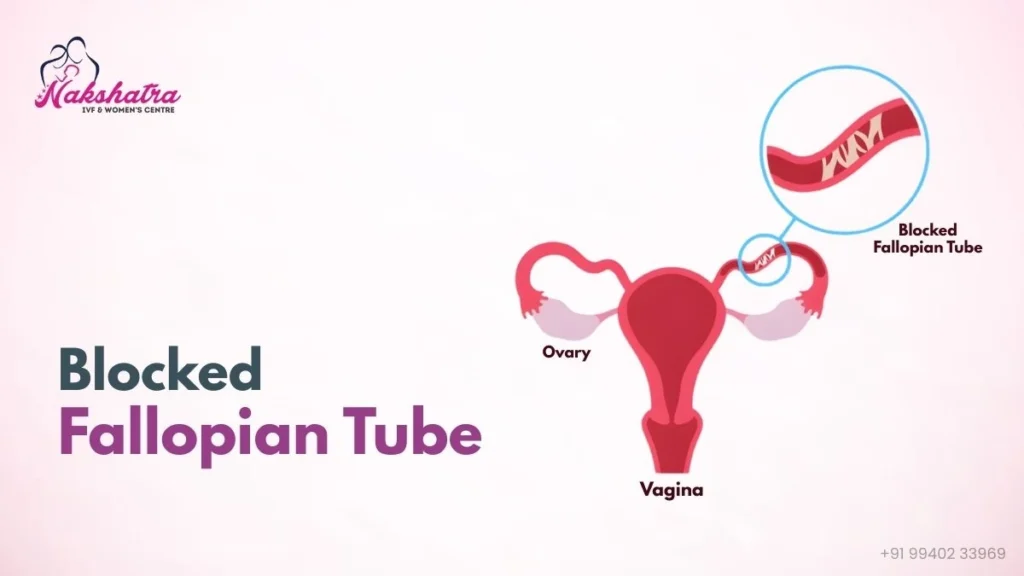
- Blocked fallopian tubes or tubal obstruction hinder conception as the tubes act as an integral part in facilitating the union of sperm and the egg.
- The causes of blocked fallopian tubes could be pelvic inflammatory diseases, endometriosis, fibroids, sexually transmitted diseases, past ectopic pregnancy, or previous pelvic surgeries.
- Most women with damaged or blocked fallopian tubes remain asymptomatic.
- Various treatment options exist for blocked fallopian tubes, and a fertility specialist can provide appropriate guidance.
Fallopian Tubes and Infertility: What’s the Link?
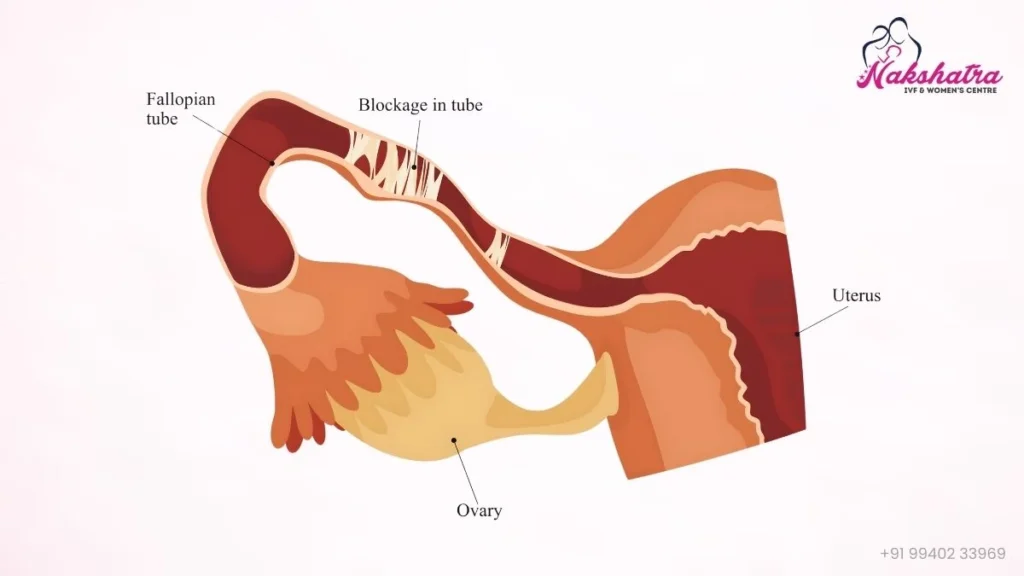
The fallopian tubes, also known as the uterine tubes, are an important reproductive organ located in the female pelvis. They are bilateral channels that connect the uterus to the ovaries. They extend laterally from the uterine horns and are about 11 to 12 cm in length. The tubes play a primary role in fertility. After ovulation, the ovum is picked up by the fallopian tubes from the ovaries. It is also the site where the sperm travels from the vagina through the uterus and meets the egg for fertilization. The cilia, which are hair-like structures in the tubes, help move the embryo to the uterus a few days after fertilization. When there is a blockage or damage in the fallopian tubes, the movement of sperm to the egg or the fertilized egg to the uterus is affected, and thereby may significantly impact conception and cause infertility.
What does research say?
Fallopian tube illness has been a causative factor for infertility among approximately 30% of women. Of these, 10% to 25% have blocked fallopian tubes. For many women, IVF treatment stands as an instrumental treatment option to get pregnant.
What are the Causes of Blocked Fallopian Tubes?
Infections can lead to scarring of tissues on the walls of the fallopian tubes and lead to damage. The other common causes include pelvic inflammatory diseases, ectopic pregnancy, past surgeries, and many more. The space below elaborates on the different causes of blocked fallopian tubes.
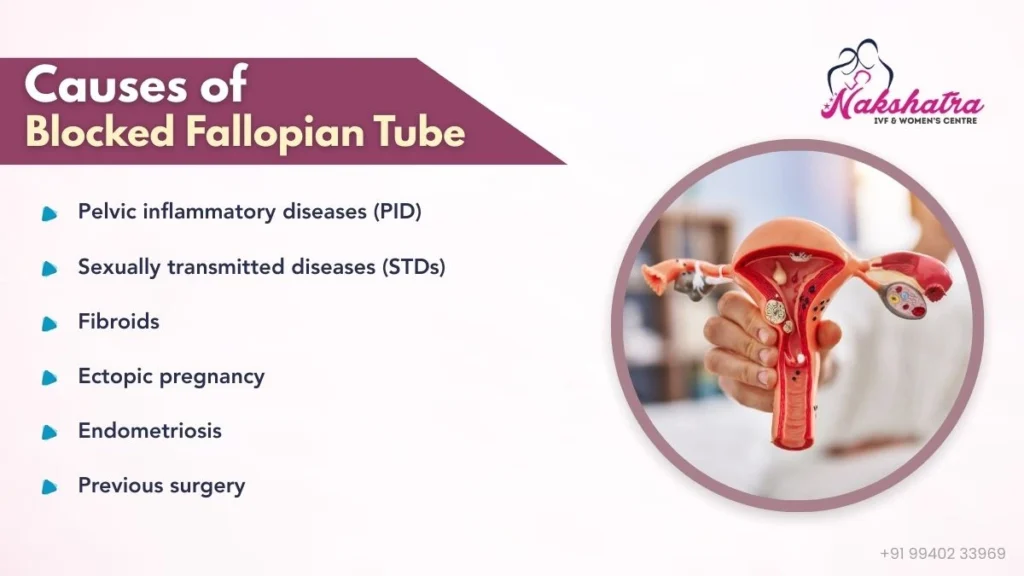
- Pelvic inflammatory diseases (PID): When sexually transmitted diseases are untreated, they may lead to pelvic inflammatory disease. PID is a bacterial infection that impacts the female reproductive system, including the fallopian tubes, uterus, and ovaries. These bacteria are sexually transmitted and could cause fever, severe pelvic pain, scars, and blockages in the fallopian tubes.
- Sexually transmitted diseases (STDs): Inflammation caused by sexually transmitted diseases can lead to scars and blockages in the fallopian tubes. The common STDs that lead to tubal blockage include gonorrhea and chlamydia.
- Endometriosis: This occurs when the tissues from the endometrium, or the lining of the uterus, begin to grow outside the uterus. It may sometimes grow on nearby reproductive organs like the fallopian tubes. The endometrium is shed and released from the body during menstruation. But in scenarios where it grows outside of the uterus, inflammation happens, leading to scarring or blocking of the fallopian tubes.
- Previous surgery: Certain surgeries may also be a causative factor for blocked fallopian tubes. Surgeries performed for uterine fibroids, endometriosis, ovarian cysts, and other abdominal surgeries can lead to inflammation or scarring in the fallopian tubes.
- Ectopic pregnancy: This is a condition in which the fertilised egg or the embryo does not implant in the uterus. When the implantation occurs in the fallopian tube, the fertilised egg does not have space to grow as the tubes are narrow and small. This obstruction may lead to rupture of the tubes, which can be life-threatening. Surgery can help remove the egg and prevent rupture, but may at times lead to scarring of the fallopian tubes.
- Fibroids: Small non-cancerous or benign growth that develops in the uterus, which can block the fallopian tubes at the point where they join with the uterus. This may lead to infertility.
Blocked Fallopian Tubes: Symptoms to Watch For
The most common blocked fallopian tube symptom is infertility, and hence is mostly diagnosed as part of the fertility treatment. Therefore, most women remain asymptomatic until experiencing issues with getting pregnant. However, some other symptoms may be experienced, as discussed below.
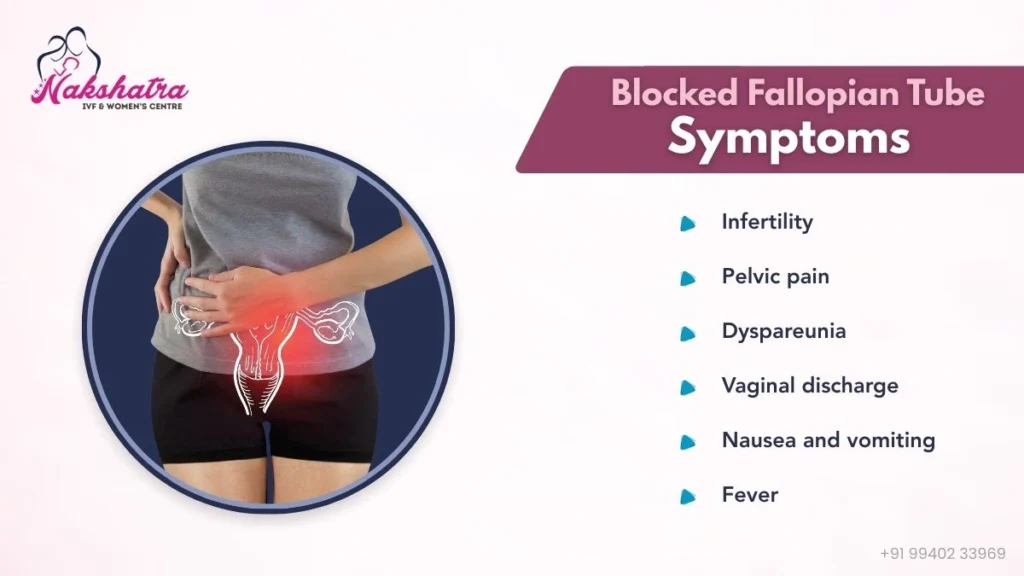
- Infertility: Problems in getting pregnant are the highly reported symptom that leads to the discovery of blocked fallopian tubes. The blockage in the tubes prevents fertilisation and the movement of the egg to the uterus for implantation. Thereby, hindering natural conception.
- Pelvic pain: Discomfort, cramping, or pain in the abdominal or pelvic region could be caused by a disturbance in the tubes. The severity and duration of pain may differ for everyone. Some women report severe pain only during menstruation, while some may experience it constantly. For some women, pain may occur on one side of the abdomen.
- Dyspareunia: Several women report experiencing pain during sexual intercourse. Pelvic inflammatory disease could be a cause of this pain.
- Vaginal discharge: A blocked fallopian tube may cause foul-smelling, abnormal discharge from the vagina. Accumulation of fluid may occur at the end of the tubes due to damage or blockage in the fallopian tubes. This is clinically called hydrosalpinx.
- Nausea and vomiting: One of the blocked fallopian tube symptoms includes feelings of nausea and vomiting in acute cases.
- Fever: Some may experience a spike in their body temperature due to blocked fallopian tubes. It may at times reach over 102 degrees Celsius. A general feeling of tiredness and being unwell may also be experienced.
Treatment for Blocked Fallopian Tubes
Being a common cause of infertility among women, the treatment for blocked or damaged fallopian tubes depends on factors such as the location of blockage, extent of blockage, symptoms, age, general medical status, and fertility goals. There are non-invasive, minimally invasive, and surgical treatments used to open blocked fallopian tubes. A fertility specialist will suggest the best treatment that will be appropriate for your condition.
- Non-surgical treatments: In mild cases, non-surgical treatment options are considered by the fertility experts. Antibiotics are recommended to treat infections that cause inflammation and blockage of the tubes. When only one of the tubes is blocked, fertility medicines may be recommended to stimulate ovulation from the open fallopian tube. Lifestyle changes such as maintaining a healthy weight, sound mental wellness, and avoiding social habits like smoking and drinking are also advised to improve fertility outcomes.
- Laparoscopic surgery: This is a minimally invasive procedure that allows for accurate treatment and quick recovery. Scarred tissues or adhesions are removed during this procedure using a small camera that is inserted through minor incisions.
- Salpingectomy: This is performed for women with hydrosalpinx and involves the removal of the blocked tube, as the fluid accumulated in the tube affects IVF treatment outcomes.
- Fallopian Tube Recanalisation (FTR): This is performed by inserting a thin catheter through the cervix using imaging guidance to open or clear the blocked tubes.
Is Pregnancy Possible with Blocked Fallopian Tubes?
The most common question that arises after diagnosis is, “How can a woman get pregnant with blocked fallopian tubes?” Well, the good news is that pregnancy is not impossible with blocked fallopian tubes.
- In scenarios where only one fallopian tube is blocked, natural conception is possible when ovulation and semen parameters are normal.
- In selective cases where the block is proximal or mild, adhesions are not severe, and the woman is young, surgery can be considered. Tubal cannulation or laparoscopic surgery can help treat the blockage and increase the chances of pregnancy. However, surgical options also have some limitations, such as risk for ectopic pregnancy, reblocking of tubes, and varied success rates.
- IVF is suggested when the blockage or damage cannot be treated, as it bypasses the need for fallopian tubes for conception, as fertilisation occurs outside the body.
Is IVF Effective for Blocked Fallopian Tubes?
In Vitro Fertilisation (IVF) stands as a highly effective option for infertility treatment. During IVF, the egg is retrieved from the female’s body and fertilized with the sperm in a laboratory. After successful fertilisation, the embryo is transferred back to the uterus for implantation. IVF is considered the best option as it bypasses the tubes and makes it suitable for cases such as
- Bilateral tubal block
- Severe tubal damage
- Hydrosalpinx
- Tuberculosis-affected fallopian tubes
- Failed tubal surgery
- Advanced maternal age
Though IVF is not the only option to get pregnant with blocked fallopian tubes, it stands as the safest, fastest, and highly successful treatment choice.
Final Note: Expert Guidance Is Important
Blocked fallopian tubes are a rising cause of infertility among women. Since most women are asymptomatic, it is identified only when there is difficulty in getting pregnant. It is crucial to seek the help of a fertility specialist to identify the severity of the problem, treat the symptoms, and improve fertility outcomes.
Your IVF Journey is just a consultation away
Our experienced and highly trusted IVF specialists will provide expert guidance, compassionate care, and personalised treatment plans that will support your fertility journey.