

Reading Time: 10 min
What is Infertility?
According to the World Health Organisation (WHO), infertility is defined as the failure to achieve a pregnancy after 12 months or more of regular, unprotected sexual intercourse. The causes of infertility could be due to several different factors and may occur in both the male and female reproductive systems. Couples who face challenges to conceive naturally should consult a reproductive endocrinologist.
Let’s first know how pregnancy naturally happens to understand the challenges that one may face with it. Pregnancy occurs as a result of the following process,
- The ovaries in a woman’s body release an egg during ovulation.
- The sperm produced by the man fertilizes the egg.
- The fertilized egg or the embryo travels through the fallopian tube toward the uterus.
- The embryo implants itself in the uterus, a process called implantation, where it begins to grow into a fetus.
When there is a struggle in any of these steps, infertility may occur. The development of modern healthcare systems has improved treatment options for infertility, like ICSI and IVF treatments, which fulfill the dream of parenthood for many couples.
How common is infertility in India?
According to the recent statistics in 2025, the Total Fertility Rate (TFR) in India has dropped below the replacement level to 1.9, which highlights a rise in infertility challenges faced by many couples.
Types of Infertility
Infertility can be of two types.
- Primary infertility is when couples are unable to conceive a child after at least a year of unprotected sexual intercourse.
- Secondary infertility refers to couples who have previously achieved a successful pregnancy but are now unable to conceive again.
- Unexplained infertility is when medical tests fail to identify the underlying reason for a couple’s difficulty in becoming pregnant.
Causes of Female Infertility
There are different possible causes of infertility in females. Let’s dive into each of them.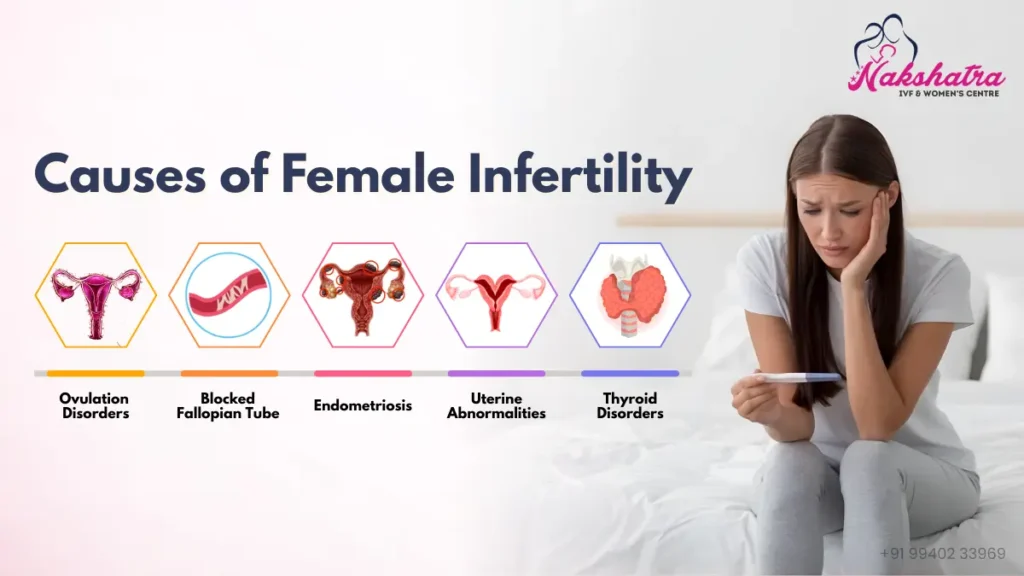
Ovulation disorders: Ovulation is a crucial step in the female reproductive system for pregnancy. Any changes that disrupt this process can cause infertility in females. Conditions like polycystic ovarian syndrome (PCOS), thyroid disorders, and intense exercise can disrupt the hormonal regulation, resulting in irregular ovulation. PCOS is a rising cause of infertility in females. Due to an imbalance in the hormones, multiple cysts are formed in the ovaries. Irregular menstrual cycles, increased facial hair growth, weight gain, and hair loss are some of the symptoms of PCOS. Premature ovarian failure or premature menopause occurs when a woman experiences menopause before the age of 40. In this condition, the ovaries stop functioning normally, leading to a reduced supply of eggs, irregular menstrual cycles, hormonal fluctuations, and difficulties with conception. Genetic disorders like fragile X syndrome and Turner syndrome can also lead to premature ovarian failure. Lifestyle modifications, hormone therapy, diet, and seeking guidance from gynecologists from top fertility hospitals help in addressing such ovulation disorders.
Blocked Fallopian Tubes: Blockages in fallopian tubes can be triggered by infections, endometriosis, pelvic inflammatory diseases, fibroids, and scarring of tissues due to surgery. The egg from the ovaries travels through the fallopian tube after fertilisation to implant itself in the uterus. Blockages in the fallopian tube can hinder the movement of both the sperm and the egg, causing challenges in fertilization, implantation, and thereby pregnancy. Diagnosis through imaging tests helps in understanding the cause and effective treatment planning. Surgery or IVF treatment stands as the best infertility treatment option for women with blocked fallopian tubes.
Endometriosis: Endometriosis is a painful condition where tissues that are similar to the lining of the uterus grow outside the uterine cavity. It commonly impacts the ovaries, fallopian tubes, and pelvic structures, leading to inflammation and pain. Endometriosis is a common thread in female infertility cases as it interferes with the release of the egg, the movement of sperm to the egg, and implantation. Women diagnosed with endometriosis are usually prescribed medications, laparoscopic surgeries, or IVF techniques to treat infertility and achieve pregnancy.
Uterine abnormalities: Uterine fibroids, uterine polyps, and structural abnormalities can strike an impact on fertility by preventing implantation and development of the embryo. Diagnostic imaging tests can identify such abnormalities and aid in effective treatment planning. While treatment may vary for each individual, surgery is the most recommended intervention to rectify structural anomalies.
Thyroid disorders: The thyroid gland plays a significant role in female fertility. Hyperthyroidism (overactive thyroid gland) and hypothyroidism (underactive thyroid gland) can interfere with hormonal regulation, modifying ovulation and menstruation. An imbalance in thyroid hormones can also increase the risk of miscarriage.
Age-specific factors: A woman’s age has a major role to play in defining their fertility. As women age and reach over 35 years, a pronounced decline in the quality and quantity of eggs is observed. Advanced maternal age is the sole cause of infertility in females.
Other causes: Some of the other causes that may lead to female infertility include autoimmune diseases like celiac disease or lupus, kidney disease, cancer, hypothalamic and pituitary gland disorders, sickle cell anemia, and previous surgical sterilization.
What are the Diagnostic Methods for Female Infertility?
When getting pregnant naturally becomes a challenge, your doctor may advise certain tests depending on the symptoms experienced to identify the underlying cause. The most common tests that help in diagnosis are
- Pelvic examination
- Blood tests
- USG or Transvaginal ultrasound
- Hysteroscopy
- Laparoscopy
- X-ray hysterosalpingogram
Treatment Options for Female Infertility
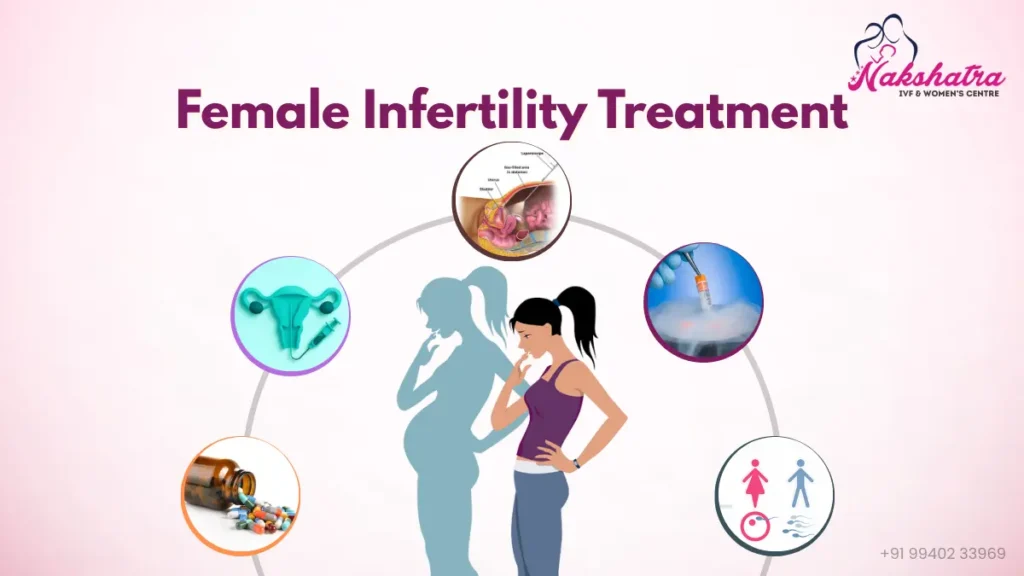
When planning treatment for female infertility, a tailored approach that balances efficacy, risk, and the woman’s preferences should be considered. Treatment may vary for every individual depending on the underlying condition; consulting a fertility expert is advisable.
 1: Pharmacological therapy
Medications are usually the first line of treatment for ovulation disorders in women. Clomiphene citrate and gonadotropin are common medicines that are used to induce ovulation and are successful in approximately 80% of women. Metformin is prescribed by doctors for women with PCOS to improve insulin sensitivity and regulate the menstrual cycle. It is strongly recommended to seek medical advice, adhere to the doctor’s prescription, and refrain from self‑medication.
2: IVF and IUI
In Vitro Fertilization (IVF) and Intrauterine Insemination (IUI) are revolutionary fertility treatments that have transformed reproductive medicine. Through impressive success rates, IVF and IUI have helped several couples embrace the happiness of parenthood. IVF treatment involves combining the egg and sperm outside the body. After fertilization, the embryo is implanted back into the uterus. IUI is a procedure where the sperm is directly placed in the uterus. It is advisable to consult the best IVF doctors to maximise the likelihood of successful outcomes. Either IVF or IUI would be suggested by the doctor based on the cause of infertility.
3: Surgery
When the cause of female infertility is related to uterine factors or endometriosis, hysteroscopic surgery, myomectomy, or laparoscopic surgery is recommended by the fertility expert. Surgery in selective female infertility cases has shown improved pregnancy rates and reduced incidences of miscarriages.
4: PRP therapy
Platelet-rich Plasma (PRP) therapy is a medical procedure in which platelets are concentrated from the patient’s own blood and carefully reintroduced into the specific reproductive region to promote healing and regeneration. In female infertility treatment, PRP contributed to improved follicular growth, egg quality, endometrial thickness, and embryo implantation, which in turn supports IVF success rates.
5: Egg freezing
Freezing of viable eggs for future use is a valuable option for women with infertility issues. Egg freezing may be beneficial for women who have experienced premature menopause, have a history of cancer, or wish to delay childbearing.
6: Supplementary therapy
Lifestyle-related causes of infertility in females may require adjustments in diet, exercise, sleep, and social habits. Weight management has shown to improve the rate of conception by 20% to 30%. Avoiding smoking and alcohol drinking has shown to increase IVF success rates by 15%. Acupuncture, an ancient Asian medicine, has also shown positive effects on IVF outcomes.
7: Donor egg and Surrogacy
In scenarios where the woman’s own eggs are not viable, donor eggs that are carefully screened can be used. Surrogacy is when another woman bears and gives birth to the child on behalf of the intended parents.
Contemporary medical advancements have introduced multiple treatment options for female infertility, turning dreams of parenthood into reality for countless couples.
Causes of Infertility in Males
Male infertility arises from various etiological factors, as outlined below:
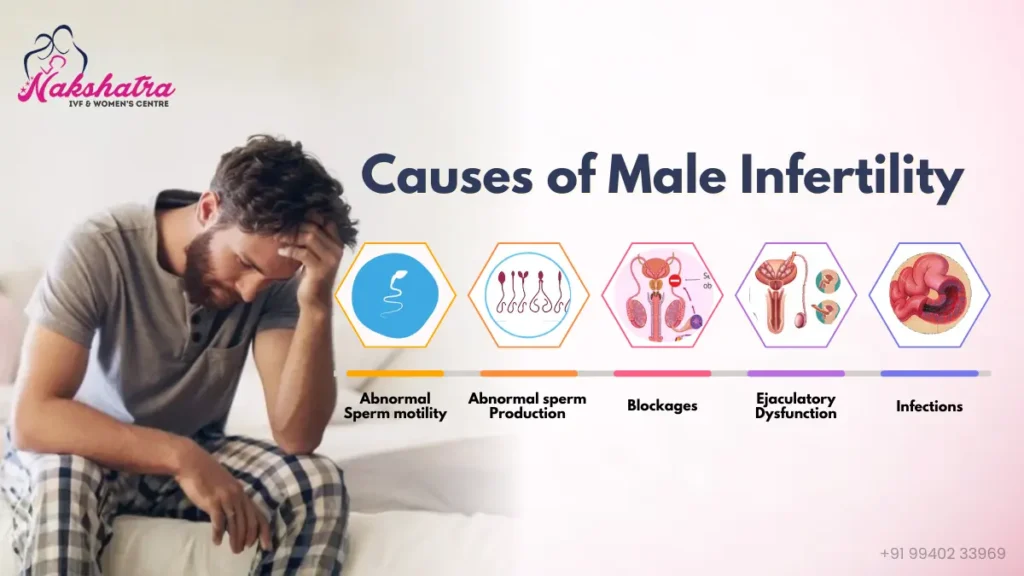 Abnormal sperm motility: The sperm should be able to move efficiently for successful fertilization. Problems in sperm motility can cause infertility in males.
Abnormal sperm production: The male reproductive system should achieve proper growth and formation to support normal production of sperm. Challenges in this can affect the production of sperm.
Blockages: Infections, surgery, or congenital disorders can cause blockages in the ducts that carry the sperm. This can cause trouble in the transportation of the sperm.
Ejaculatory dysfunction: Problems in ejaculation may arise due to diabetes, certain medications, or bladder surgery.
Infections: Sexually transmitted diseases may lead to male infertility by preventing sperm production and motility.
Other causes: Factors like cancer, genetic disorders, exposure to pesticides, X-rays, and toxins, smoking, and obesity are also possible causes of infertility in males.
What are the Diagnostic Methods for Male Infertility?
To diagnose male infertility, some of the following tests may be recommended by your andrologist.
- Semen analysis
- Ultrasound
- Blood tests to analyse hormone levels
- Genetic tests
- Physical examination of the testes and penis
Treatment Options for Male Infertility
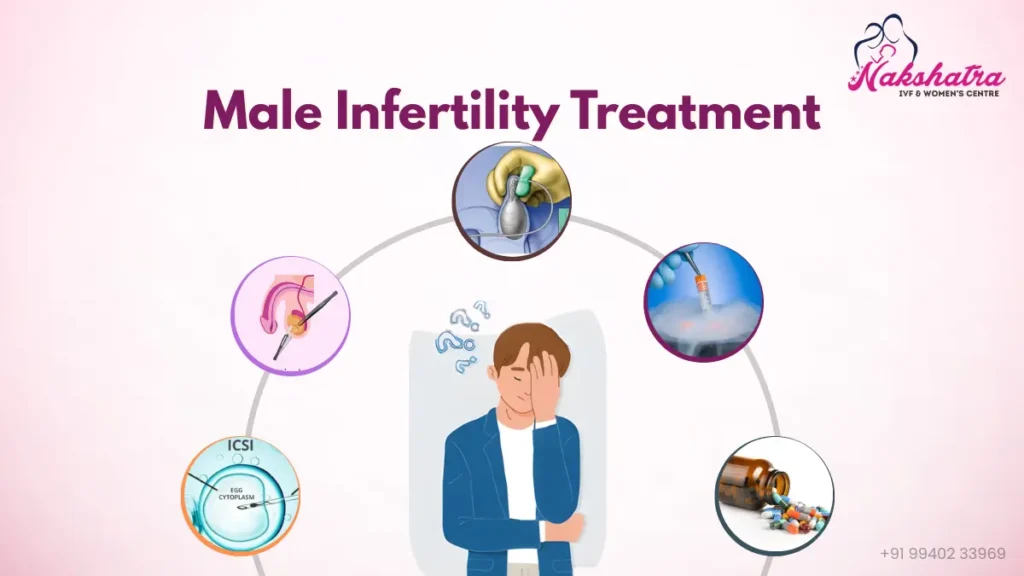
Depending on the underlying cause of infertility in males, different treatments will be suggested by your doctor. The possible treatment options for male infertility are discussed below.
 1: ICSI
Intracytoplasmic Sperm Injection (ICSI) is a strategic choice for treating male infertility when sperm quality and quantity are reduced. ICSI treatment involves injecting the sperm directly into the egg’s cytoplasm, ensuring fertilization. Assisted reproductive technologies (ART) like ICSI have delivered positive solutions to many couples struggling with infertility.
2: Sperm freezing
Sperm cryopreservation or freezing is a specialized technique where sperm are collected and stored at very low temperatures so they can be used later.
3: Surgery
Enlarged veins in the scrotum or blockages are corrected through surgical procedures. It is recommended to consult a fertility specialist to determine the underlying cause and consider surgical options if necessary.
4: Sperm retrieval techniques
In cases when sperm is absent in the ejaculate, sperm can be retrieved from the testes or epididymis using techniques like TESA (Testicular Sperm Aspiration) or PESA (Percutaneous Epididymal Sperm Aspiration).
5: Medications
Drug therapy is used to correct hormones and promote spermatogenesis. Antibiotics are used to treat infections in the male reproductive tract. Antioxidant supplementation is an additional therapy suggested to improve semen parameters.
6: Lifestyle modifications
For male infertility, following a healthy lifestyle can be of great help. Managing body weight with regular exercise and a healthy diet, quitting smoking and alcohol drinking, getting adequate sleep, and managing stress are valuable measures to promote male fertility.
Getting Expert Help
Infertility in males and females is becoming a growing challenge across the globe. Recent medical advancements have expanded infertility treatment options, facilitating the journey of parenthood for many couples. A fertility expert can assist you in understanding the underlying cause through strategic diagnostic testing and provide effective treatment options.