
Men Fertility
Thick Semen: Causes, Treatment, Fertility Effects

Semen and Its Viscosity
Semen is an important fluid produced by the male reproductive system. It is a whitish-gray fluid that is produced during ejaculation and consists of sperm and other fluids from the seminal vesicles and prostate. It helps in protecting, nourishing, and transporting the sperm.
The consistency of the semen is a rarely discussed topic, but a vital part of male fertility. The thickness of the semen could vary between individuals. Semen viscosity can fluctuate over time, and even between consecutive ejaculations. Variations in viscosity may have measurable effects on fertility.
What is a Healthy Semen Consistency?
It can be challenging to identify if the semen is abnormal. Typically, the semen tends to be thick immediately after ejaculation. The normal semen consistency can be identified using the following characteristics:
- It is thick and gel-like immediately after ejaculation
- Starts to liquefy and becomes thinner in consistency in about 15 to 30 minutes after ejaculation
- It is whitish to gray in colour
- Due to its alkaline properties, it smells of chlorine or bleach-like
- The average volume per ejaculation ranges from 2 to 5mL
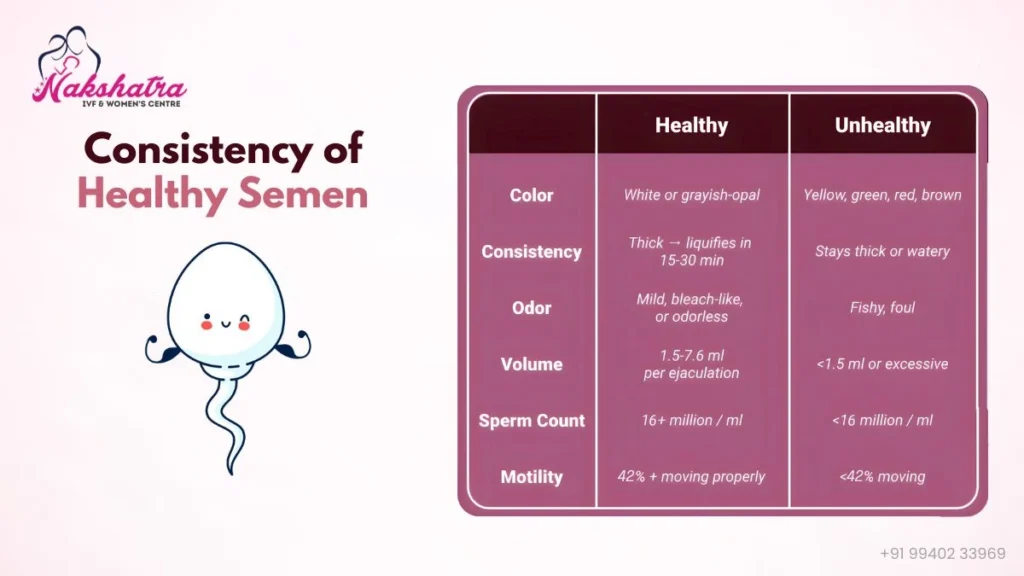
The white colour of the semen is due to the high number of sperm present in it. The proteins in it give it a gel-like texture. Factors such as diet, exercise, hydration status, and more can influence the nature of the semen. A semen analysis that includes viscosity testing can be recommended by the fertility specialist to determine the thickness of the semen.
Causes of Thick Semen Consistency
When semen is abnormally thick, it is clinically referred to as semen hyperviscosity. Changes in semen consistency could arise depending on one’s dietary patterns, intake of vitamins (especially vitamin B12), intensity of physical activity, social habits such as drinking alcohol or using cannabis. The common causes of thick semen could be due to different factors, as discussed below.
Dehydration
Water is an important component of semen. Inadequate water content or lack of fluids can thicken and concentrate the semen. Maintaining the normal pH of the body is essential to regulate the viscosity of the semen. The average pH level of the body is typically 7.4. When the body is dehydrated, the pH level might change. Signs of dehydration include exhaustion, infrequent urination, dark coloured urine, dizziness, and extreme thirst. Drinking enough water can help regulate the pH and thereby help restore semen consistency.
Infrequent ejaculation
Not ejaculating frequently or ejaculating after a long period of time can result in an increased total amount and thickness of semen. When thick semen becomes a concern, ejaculate every few days.
High sperm count
An increase in the number of sperm cells can result in increased viscosity.
Hormonal imbalances
There are different hormones, such as testosterone and steroid hormones, present in the semen. These hormones protect the sperm in the acidic conditions of the vaginal environment. Testosterone is a vital hormone in the production and quality of semen. Changes in thyroid hormones can also indirectly impact the quality of the semen. Imbalances in the hormone that might arise due to aging, unhealthy eating patterns, and reduced physical activity can thicken the semen and affect the sperm morphology. Some of the common signs and symptoms of hormonal imbalance are fatigue, abnormal hair loss, loss of muscle, reduced sexual desire, and erectile difficulty.
Infections
Male accessory gland infection or inflammation (MAGI) is associated with hyperviscosity of semen. MAGI refers to infection or inflammation in the prostate, epididymis, or seminal vesicles. The bacteria causing infection lead to accumulation of leukocytes and oxidative imbalance due to increased production of reactive oxygen species (ROS). The increase in oxidative stress can harm the sperm and affect fertility. The possible signs and symptoms of infection are bloody urine, swollen or painful scrotum, pain or burning sensation during urination, difficulty in urinating, and fever. Studies have shown that the presence of bacteria in the semen could compromise sperm quality. It may lead to clumping of motile sperm, reducing their ability for fertilization (by reducing acrosome reaction), and altering cell morphology.
Problems in the prostate or seminal vesicles
To produce semen, sperm are obtained from the testicles, seminal fluid from the seminal vesicles, and prostatic fluid from the prostate. Glands like the Cowper’s glands and the epididymis also, to a small extent, contribute to semen formation. Disruption in any of these glands or inflammation in the prostate or seminal vesicles may lead to unusually thick semen. The thickening of the semen indicates that the contribution of fluids from these organs has been disrupted, making them release abnormal amounts of fluid. Painful urination, frequent urination, and painful ejaculation are the common symptoms experienced.
When does Thick Semen need Medical Attention?
Although thick semen is generally normal, it is recommended to consult a male fertility doctor when the following are experienced.
- After ejaculation, it does not liquefy even after 60 minutes.
- Appears sticky or clumpy
- Difficulty in ejaculation
- The couple finds it difficult to get pregnant.
- Recently had unprotected sexual intercourse with someone who may have a sexually transmitted infection (STI), or they have not been tested within the past 6 months.
- Painful sex
- Pain during urination
- Foul smell
- Fever
Does Thick Semen Affect Fertility?
Thick semen helps the sperm stay in the female reproductive tract for a longer period of time, thereby increasing the chances of pregnancy. However, semen hyperviscosity or abnormally thick semen can hinder the movement of the sperm, making it difficult to reach the egg. When the thickness is associated with infections, inflammation, and oxidative stress, the sperm quality is compromised, thereby leading to fertility issues. Research has also found that hyperviscosity could affect IVF treatment outcomes. Therefore, persistent semen hyperviscosity combined with failure to achieve natural conception for over a year necessitates immediate medical evaluation.
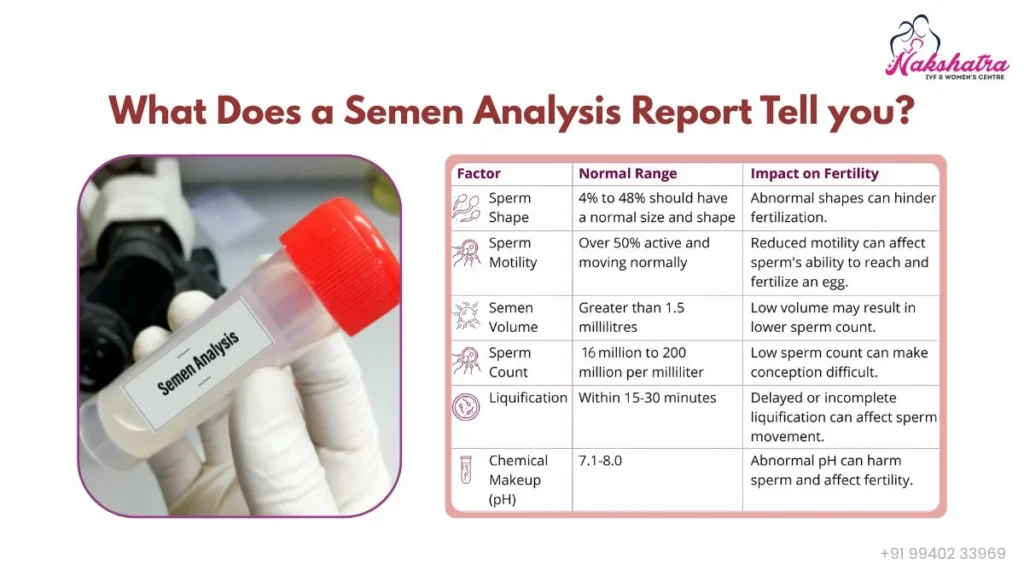
Semen Analysis for Understanding Male Fertility
Semen analysis is a fruitful procedure in male infertility treatment. It helps in evaluating semen viscosity, sperm motility, and sperm morphology. It helps in understanding the underlying factors negatively impacting male fertility and in planning effective treatment. Therefore, a semen analysis will help to clearly differentiate normal thickness from abnormal viscosity.
Treatment for Thick Semen
The treatment for thick semen depends on the underlying cause. However, some of the possible treatment options include,
- Staying well hydrated. Drinking plenty of fluids can help rule out dehydration and reduce the risk of urinary tract infections. Avoiding caffeine and sodas is recommended.
- Regular ejaculation is also suggested by fertility specialists in order to prevent thickening of the semen.
- Antioxidant therapy, antibiotics, and anti-inflammatory agents might also be suggested by doctors. Antioxidants help in reducing oxidative stress and preventing oxidative damage to sperm.
- Lifestyle changes such as maintaining a healthy body weight, managing stress, and avoiding alcohol intake and smoking tobacco can help improve male fertility.

Final Thoughts
Males are found to be responsible for 20% of infertility cases, of which semen hyperviscosity is also a causative factor of male infertility. Thick semen is observed initially during ejaculation and is necessary for successful reproduction. However, abnormally thick semen should be addressed with the help of an andrologist or male fertility expert as soon as possible.
FAQ
Is thick semen better than watery semen?
Semen has a gel-like consistency and is thick when ejaculated. It becomes more liquified within 15 to 30 minutes after ejaculation.
Is pregnancy possible when semen is thick?
Thick semen can help keep the sperm in the female reproductive tract for a longer duration. But abnormally thick semen can hinder the movement of sperm to the egg.
How to know if the thickness of semen is a concern?
When the following are experienced, it is essential to seek medical help: semen does not liquify even after an hour of ejaculation, difficulty in naturally conceiving for over a year, painful sex, painful urination, fever, and foul-smelling semen.
Is thick semen healthy?
Healthy semen appears thick for up to 30 minutes after ejaculation. However, infections, inflammation, dehydration, and a poor lifestyle can affect semen viscosity.
Can semen viscosity affect male fertility?
The underlying cause of hyperviscous semen can have a negative impact on fertility. Increased oxidative stress can affect sperm quality, thereby reducing fertility rate.
Your IVF Journey is just a consultation away
Our experienced and highly trusted IVF specialists will provide expert guidance, compassionate care, and personalised treatment plans that will support your fertility journey.