Category: Women Fertility

  • Eating Papaya During Periods: Facts vs Fiction

    Eating Papaya During Periods: Facts vs Fiction

    Were Your Grandmothers Right About Papaya? Myths vs Facts

    Almost every Tamil family would have had a traditional belief about avoiding ‘heat-causing foods’ during periods and pregnancy. Was it the same in your home? Papaya, or பப்பாளி  in Tamil, is one such fruit that becomes a topic of discussion.

    Papaya is a tropical fruit that’s rich in nutrients and has a sweet taste and a vibrant orange flesh. The vitamins, minerals, and enzymes in papaya provide several health benefits. However, many of us must have heard from our mothers and grandmothers about papaya being a ‘heat-causing food’. During periods and pregnancy, the common advice from our families is to avoid eating heat-causing foods like papaya and to eat more body-cooling foods like curd.

    If you’ve ever found yourself wondering, “Can I eat papaya during my period?”—you’re not alone. Most women are not aware of how certain foods can have a strong influence on their menstrual health. 

    Nutritionists and researchers have long explored the relationship between food choices and menstrual cycles. The advice from these studies may make one feel like a whirlwind- both confusing and comforting. 

    This blog aims to cover the common concerns of eating papaya for periods and help you learn the facts from the fiction. 

    Key Takeaways

    • Papaya is a vibrant, tropical fruit that provides a variety of nutrients. 
    • Eating papaya during periods in moderate amounts can be beneficial to menstrual health.
    • Eating ripe papaya is generally considered safe as it may help regulate periods, reduce menstrual pain, and improve digestion during periods. 
    • Different parts of the papaya plant have medicinal properties that provide health benefits. 
    • Studies found that papaya leaves can help in reducing period pain, medically known as dysmenorrhea.  
    • Consulting a fertility specialist and a dietitian when complications in menstruation are present is critical. 

    What are the Nutrients in Papaya?

    Papaya is rich in a range of nutrients like phytochemicals, minerals, and vitamins. Different parts of the plant have different nutrients that show various health benefits. 

    To understand if you can eat papaya during periods, let’s first know its detailed nutritional composition.

    • Papaya is an excellent source of vitamin C, providing several times more than the daily requirement. Vitamin C in papaya helps prevent heart disease and inflammation, and boosts immunity. It also plays an important role in the production of collagen and overall skin health. Compared to raw or unripe papaya, the ripened ones seem to have a higher amount of vitamin C. Hence, choose ripe papaya if you want good skin and good health.
    • The vitamin A found in papaya helps in the growth and development of tissues, improves vision functions, and supports skin health. 
    • Being a good source of fiber, papaya supports digestive health. The fruit is used as a laxative to treat irregularities in bowel movement. 
    • Among B vitamins, papaya is known for the presence of folate. Trace amounts of other B vitamins like thiamine, riboflavin, niacin, and pantothenic acid are also present. The B vitamins help in nerve development and functioning, cell growth, metabolism, and many other functions. 
    • The enzyme papain found in papaya helps in breaking down and digesting proteins. It acts similarly to pepsin, which is naturally found in our stomach. 
    • Papaya is also rich in antioxidants such as phytonutrients, vitamins C, and E. 

    The following table summarizes the nutrients in 100g of papaya.

    nutrients-in-papaya

    What are the Benefits of Eating Papaya During Periods?

    For years, papaya has been used as medicine to treat diseases. It is time we bring scientific facts to the monthly discussion with our ammas about eating papaya during periods.

    • Regulates menstrual cycle: Hormones play a vital role in the menstrual cycle. The nutrients in papaya help in regulating the hormone oestrogen, which helps induce regular periods and supports smooth flow. The fruit may also help in contracting the uterine muscles, which in turn helps in the menstrual cycle. The enzyme papain, present in high amounts in raw papaya, may also potentially stimulate uterine contractions. This could be the reason behind many women experiencing menstruation after eating raw papaya, and the claims about papaya initiating periods when delayed. 
    • Relaxation of uterine muscles: The presence of calcium and vitamin C in ripe papaya fruit and its leaves helps in relaxing the muscles in the uterus. It does that by inhibiting the enzymes responsible for contracting the muscles. Remember, it is the ripe papaya that helps relax the muscle!
    • Effect on menstrual cramps: Several essential nutrients in the fruit help in reducing inflammation and thereby reducing discomfort during periods, such as cramps or pain. The enzyme papain may also potentially help in bringing down the severity of cramps. The main cause of pain or cramps during periods is the increase in the production of the hormone called prostaglandins. The nutrients in papaya, such as carotene, help lower the pain-causing hormones and, in turn, ease period pain. 
    • Improve digestion during periods: Digestive issues like bloating, flatulence, diarrhoea, or constipation have been commonly reported by women during their menstrual periods. This, in turn, reduces appetite for many women during periods. This could be due to the change in hormones that occur during the cycle. When eating papaya during periods, the fiber and enzyme (papain) in the fruit support gut health and reduce digestive issues. 
    • Boosts energy: Many women skip going to work or college during their periods because of low energy. Fatigue, dizziness, and tiredness during periods often make daily tasks difficult. This drain in energy can be replenished by consuming papaya. The nutrients in papaya revitalise the body and make you feel energised.
    • Increased menstrual flow: Eating raw papaya for period initiation can stimulate uterine contractions, thereby increasing menstrual flow. Hence, eating raw papaya should be avoided by people who experience heavy flow and by pregnant women. 
    benefits-of-eating-papaya-during-periods

    Does Papaya Leaf Help in Reducing Menstrual Pain?

    Yes, a warm glass of papaya leaves extract can be a relaxing drink during periods. 

    A study showed that the decoction or extract of papaya leaves, when consumed by adolescent girls, reduced the intensity of menstrual pain. It is also hoped that boiled papaya leaves can be consumed as well by young women who experience painful periods. 

    The flavonoids and vitamin E in the papaya leaves help in reducing pain during periods. Some people may experience side effects such as headache, rashes, or dizziness after drinking the papaya leaf extract. 

    Possible Side Effects of Eating Papaya During Periods

    • Eating raw papaya or unripe papaya may lead to spotting or bleeding due to increased uterine contractions. Generally, eating ripe papayas in moderation is a good choice. 
    • When having a heavy flow during periods, it is best to avoid eating papaya. 
    • Eating raw papaya when pregnant is not advisable as it may stimulate uterine contractions.
    • Women with endometriosis or fibroids should consult their doctor and dietitian before consuming papaya. 
    • Unripe papaya may also cause nausea or digestive issues like diarrhea or bloating for some people. 
    • People allergic to papayas should avoid eating them as they may cause itching or rashes on the skin. 

    Answering Common Questions about Papaya and Periods

    1. Ripe or raw papaya for periods?

    • Ripe papaya and papaya leaf extracts have shown benefits for periods. Eating papaya during periods can help reduce pain and discomfort, boost energy, improve digestion, promote hormonal balance, and regulate the menstrual cycle. 
    • The key nutrients that exhibit these benefits are vitamin E, carotenoids, flavonoids, enzyme papain, and micronutrients like calcium, magnesium, and vitamin C. 

    2. Are there any limitations in eating papaya for period initiation? 

    • Menstruation is dependent on several factors such as hormonal balance, diet, stress, metabolism, and more. 
    • Hence, eating papaya for period initiation may not be successful for everyone. However, certain foods may help regulate periods. Read our blog on natural ways to get periods to know more about this.

    3. Can anyone eat papaya for menstrual health benefits? 

    • No, there are certain scenarios for which eating papaya is not advisable. 
    • Eating raw papaya may cause negative effects on menstrual health. 
    • Pregnant women should definitely avoid eating raw papaya. 
    • Women with endometriosis, fibroids, and those who undergo specific fertility treatments like IVF treatment should consult their doctor and dietitian before including papaya in their diet. 

    4. How to add papaya to my diet during periods?

    • A few slices of papaya, along with nuts or seeds, can be a perfect evening snack.
    • Papaya juice can help you feel hydrated and energised in the Chennai hot weather.
    • Make a yoghurt sundae with small slices of papaya, banana, berries, and nuts.  

    5. Can I eat papaya on the first day of my period?

    • Eating ripe papaya in moderation can help soothe period pain, increase energy levels, and improve digestion. 
    • But, if you experience very heavy flow during periods, it is best to avoid papaya as it may increase the contraction of the uterus muscles and increase flow.

    Dietary Notes to Follow During Periods

    The hormonal fluctuations that occur during menstruation can increase cravings for specific foods. But it is essential to be mindful of your food choices during periods. 

    Eating a healthy, balanced diet and following a healthy lifestyle is crucial to improving overall fertility. Here are a few dietary tips to be kept in mind during your period.

    To Do:

    • Prefer fruits like ripe papaya for your sweet cravings. Fruits can provide you with essential minerals and vitamins. A bowl of fruits can be a good mid-morning or evening snack during periods. 
    • Choose healthy protein sources like lean meat, fish, eggs, yoghurt, tofu, lentils, nuts, and beans.
    • Including ginger and turmeric in recipes can help smooth symptoms like nausea. They also exhibit anti-inflammatory properties. 
    • Fermented food products like kombucha, yoghurt, and curd can help with your gut health as they are rich in probiotics.
    • Drink plenty of water to stay well hydrated. 

    To Limit or Avoid:

    • Limit intake of foods high in salt and sugar.
    • Limit intake of caffeine as it may lead to water retention, bloating, and other digestive issues. 
    • Avoid fried snacks and refined oils. 
    • Avoid spicy foods that may upset your stomach. 
    • Avoid consumption of red meat, as it may increase the risk for menstrual pain or cramps.
    • Alcohol can lead to dehydration, and a hangover can worsen symptoms related to periods. Hence, it is best to avoid drinking alcohol during periods. 

    Bottom Line

    The nutritional properties of papaya benefit in regulating the menstrual cycle, menstrual flow, reducing menstrual pain, and improving digestion. We hope this blog helps you provide the right facts about eating papaya during periods for the next family discussion sparked by WhatsApp’s ‘research’. 

    Always remember that what works for one may not work for another, and it is important to know and understand the needs of your body. If you experience discomfort, pain, or changes in your period flow, consult the best fertility doctors in Chennai at Nakshatra IVF & Women’s Centre

  • Eating Maggi During Pregnancy: Slurp or Skip?

    Eating Maggi During Pregnancy: Slurp or Skip?

    Pregnancy brings a whirlwind of surprises, and cravings are one of them. Maggi can be your taste buds’ favourite friend, but its nutritional properties remain questionable. If frequent cravings for Maggi are worrying you, know that many pregnant women feel the same. This article provides practical strategies to help you navigate cravings and make healthier choices.

    Is It Safe To Eat Maggi & Pasta in Pregnancy?

    “Can pregnant women eat Maggi?” is a question many doctors and nutritionists have been asked. The answer depends on the woman’s health condition, nutritional status, and the frequency and amount of intake. Being aware of the health effects of processed, instant foods before their consumption can help in making the right choice. Here are a few key points to remember when relishing your Maggi cravings during pregnancy.

    • Like any other less-nutritious, processed foods, Maggi can be consumed in moderation. Treating your Maggi cravings during pregnancy occasionally is considered safe and unlikely to impart harm. It is not advisable to include instant noodles in the everyday diet.
    • Maggi should not be substituted for a nutritious, balanced diet. Ensure to include nutrient-dense foods like whole grains, vegetables, fruits, pulses, fish, nuts, etc., that support a healthy pregnancy. Your overall diet quality greatly influences the growth and development of the fetus.
    • Prefer to consume home-cooked Maggi noodles. Home-cooked meals offer the flexibility to select ingredients and control cooking methods, supporting healthier choices. Indulge in your Maggi cravings mindfully by tossing in plenty of vegetables and prefer whole grain noodles to give it a healthier twist.

    Does Maggi Masala Contain Ajinomoto?

    Maggi is sold with ready-to-cook noodles and a flavour-enhancing powder that adds spice and taste to the noodles. The ingredients in the packet have raised concerns among many, especially for pregnant mothers. The main concern has been around the presence of Ajinomoto or monosodium glutamate (MSG) in the masala powder, which makes many doubt if Maggi is safe in pregnancy. However, reports have made it clear that the Maggi sold in India does not contain the flavour enhancer MSG. The intake of monosodium glutamate during pregnancy is generally regarded as safe by the FDA. However, moderation is key, and women allergic to MSG should skip foods containing it. Other foods that contain MSG include aged cheese like Parmesan, shiitake mushrooms, walnuts, tomatoes, fermented sauces like soy sauce, fish sauce, chips, fast foods, etc.  It should be noted that Maggi contains glutamate that is produced from other sources, like onion powder.

    The presence of higher concentrations of lead was also raising concerns over Maggi’s intake by pregnant women. However, the company has resolved such issues by modifying the product, and ever since, it has been safe for consumption.

    Reading the Nutrition Label of Maggi

    Choosing nutrient-dense foods is emphasised during pregnancy to support maternal and fetal health. Most processed or packaged food products contain several ingredients that we may be unaware of, which explains the importance of reading food labels before buying a product.

    The nutritional composition of Maggi noodles (per 100g) is as follows.

    • Energy: 427 Kcals
    • Protein: 8 g
    • Carbohydrates: 63.5 g
    • Fiber: 3.6 g
    • Total fat: 15.7 g (Saturated fat: 6.8 g)
    • Sodium: 1172 mg

    The composition above portrays that Maggi should be consumed in moderation and less frequently, as the product lacks essential nutrients like vitamins and minerals that play crucial roles in pregnancy. Hence, when asking yourself, “Can I eat Maggi during pregnancy?” remember to read the label and know what ingredients have been used and their nutritional composition.

    Side Effects of Eating Maggi During Pregnancy

    Imbalanced dietary patterns may impart adverse effects on maternal health and also influence the baby’s development. Nutritional deficiencies can occur due to poor food choices and inadequate intake. Although Maggi is a tasty slurp, it’s important to be aware of certain nutritional concerns before its consumption.

    • Sodium content: Intake of foods that are excessively high in sodium is not advised for pregnant women. Going overboard on sodium may raise the risk of swelling in the legs, face, or hands due to water retention. Sticking to moderate sodium intake helps curb the risk of high blood pressure, bloating, and other discomfort.  
    • Refined flour: Maida or refined wheat is the ingredient used in making the noodles. Consuming refined products may lead to digestive troubles like constipation in pregnancy and should be consumed in moderation. Refined products may also lack vital nutrients like fiber and protein. Although it is safe to eat Maggi during pregnancy, it is advisable to pick whole-grain noodles.
    • Preservatives: Like any other processed food, Maggi also contains preservatives. It is advisable to limit the intake of foods with preservatives and other additives during pregnancy.
    • Empty calories: The presence of simple carbohydrates and the lack of fiber and protein make it a less-nutritious food. The simple carbohydrates from the refined flour may also increase the risk of glucose spikes. Hence, when eating Maggi during pregnancy, know that every bite may be delicious, but it is often stripped of nutrients, providing mostly empty calories.

    Smart Ways to Enjoy Instant Noodles Safely

    Cravings are not easy to resist, especially during pregnancy. Your taste buds might be craving a less-nutritious food, while your body might be craving specific nutrients. Here are a few tips to satisfy your Maggi cravings while also upgrading it to a nutritious snack.

    • Portion size: Although Maggi is safe during pregnancy, it’s best to limit your intake to small portions. It is also advised not to replace a meal with instant noodles, as it may create an imbalance in meeting your nutritional requirements.
    • Prefer unrefined or whole grain noodles: Different ranges of Maggi noodles are available in the market. It is best to choose whole grains or vegetable-based noodles rather than refined products.  Refined flour has been known to create digestive issues like constipation among pregnant women, and hence, it is best avoided.
    • Step up protein and fiber: Bring a healthy twist to the recipe by tossing in vegetables like carrots, onion, tomato, bell peppers, peas, etc., to increase the fiber, vitamin, and mineral content in your bowl. Protein-rich foods like eggs, paneer, tofu, or lean cuts of meat can also be added, as they also help you feel satiated while getting your nutrients.
    • Substitute the masala: Switch to homemade masala powder instead of the seasoning powder, which comes with the pack, as it may be high in sodium and preservatives. Turmeric, chilli, and cumin powder, along with salt, can be used to give it a delicious kick.

    Balancing Maggi in a Fertility-Friendly Diet

    Among the different food cravings that kick in during pregnancy, Maggi noodles are one of the many less-nutritious cravings. Women who are pregnant or those undergoing fertility treatment for PCOS, hormonal imbalance, etc., should focus on their diet quality and follow a healthy lifestyle. A balanced meal should include carbohydrates from cereals like whole wheat, oats, or whole grain bread; protein sources like lean meat, eggs, cheese, legumes, or dhal; healthy fats from plant-based oils, nuts like almonds, pista; and micronutrients from vegetables and fruits. When pregnant women eat Maggi, it is important to follow a balanced meal pattern while also satisfying their cravings occasionally.

    Wrapping Up

    The quality of diet during pregnancy lays the foundation for maternal health and the growth and development of the fetus. Increased consumption of processed and ultra-processed foods can negatively impact pregnancy. Studies have indicated increased risk for gestational weight gain, postpartum weight gain, gestational diabetes, preeclampsia, and obesity in the offspring with increased consumption of processed foods. When choosing packaged foods, always remember to read the labels on the back of the pack to understand the ingredients used and their nutritional properties. Occasional consumption of a bowl of Maggi noodles made using the tips discussed above can be a better choice to fulfil cravings during pregnancy. Although Maggi is generally considered safe during pregnancy, it is always advisable to talk to your doctor to know the specific nutritional needs of your body.

  • Power of Pistachios in Pregnancy Diet

    Power of Pistachios in Pregnancy Diet

    Pistachios make a nutritious, tasty, and crunchy snack for expecting mothers. Pregnancy calls for special nutritional requirements to support the mother’s health and promote fetal development. Hence, nurturing the body with a wholesome and balanced diet is crucial. Consuming pista during pregnancy can be a smart and satisfying way to obtain essential nutrients such as protein, fiber, B vitamins, copper, magnesium, and many more. 

    Key Takeaways

    • Nutrition acts as a guiding star for a healthy pregnancy journey. 
    • With every shift the body experiences during pregnancy, new nutritional needs emerge to support the well-being of both mother and baby.
    • Pistachios help crack the code to achieve a balanced diet with their strong nutritional profile. 
    • Pistachios are rich in protein, fiber, unsaturated fats, B vitamins, vitamin E, calcium, magnesium, zinc, potassium, and several bioactive compounds. 
    • It promotes maternal health by regulating gut microbiome and cholesterol levels, providing energy, and satisfying cravings. 
    • Including pista in the maternal diet may help in reducing the risk of gestational diabetes and hypertension. 
    • It also helps in promoting motor and brain development of the fetus and helps prevent neural tube defects. 
    • This nutrient-loaded nut stands out to be a safe and crunchy snack for pregnant women to treat their hunger pangs without guilt.

    The Value of Balanced Nutrition During Pregnancy

    The nutritional and health status of the mother directly contributes to nurturing the growth and development of the baby, supports better outcomes in childbirth, enhances perinatal survival, and may potentially lay the foundation for the long-term well-being of both the mother and child. Consuming a nutritious diet that includes whole grains, protein-rich foods, fruits, vegetables, nuts, and seeds may aid in minimizing the likelihood of pregnancy-related complications such as gestational diabetes, preeclampsia, preterm birth, and abnormal fetal growth patterns. Eating nuts such as pista during pregnancy poses a wealth of nourishing benefits that support maternal and fetal health. The American College of Obstetricians and Gynecologists recommends consuming nuts like pista and badam during pregnancy due to their robust nutritional profile that fosters motor, cognitive, and overall development of the child. Hence, pistachios can be considered a smart way to meet the heightened nutritional needs in pregnancy. 

    Crunchy Benefits of Pistachios for Pregnant Moms

    The beneficial role of pistachios in pregnancy has been demonstrated by several researchers. It is known to shine positive effects on both maternal and child health. 

    • Facilitates fetal development: Packed with folic acid, pistachios provide important support for a healthy pregnancy. It also helps in preventing neural tube defects in the fetus and promotes brain development. Folates also promote the memory and cognitive functions of the baby. The protein in pista helps in the formation of muscles and tissues of the fetus. Pistachios also contain calcium and magnesium that help with the baby’s heart health and in building strong bones. 
    • Promotes heart health: Pistas are a notable source of unsaturated fatty acids that facilitate regulating cholesterol levels by increasing HDL-cholesterol (good cholesterol) levels. Abnormal cholesterol levels pose a great risk to cardiovascular diseases. The nutrients and anti-inflammatory properties of pistachios help protect against heart diseases by fighting against inflammation, reducing oxidative damage, and the risk of gestational hypertension. 
    • Prevents gestational hypertension: Consuming a diet rich in protein, complex carbohydrates, calcium, magnesium, potassium, and antioxidants helps prevent gestational hypertension. Hypertensive disorders are known to affect about 5% to 10% of pregnant women. Pista stands to be an ideal food providing most of the nutrients that prevent hypertension in expecting mothers. 
    • Prevents gestational diabetes: Pistachios have a low glycemic index and prevent elevation in blood glucose. Being a source of magnesium, it also helps in reducing insulin resistance. Sheng Ge, Chief Physician and Director of Clinical Nutrition at the Sixth People’s Hospital, Shanghai Jiao Tong University in Shanghai, China revealed through a study that consuming pistachios for breakfast significantly reduced blood sugar levels among women with gestational diabetes compared to those who ate whole wheat bread.  Hence, including nuts like pista during pregnancy benefits in managing glucose levels.
    • Promotes gut health: The hormonal shift that occurs during pregnancy can stimulate changes in the gut microbiome. This in turn may affect digestion, immunity, and fetal development. Consuming pista has been shown to promote the production of beneficial bacteria and a healthy gut microbiome. The fiber content in pista also aids in the digestive health of the mother.
    • Aids in cognitive development: The presence of antioxidants such as anthocyanins, flavones, carotenoids, flavonoids, and tocopherols favor positive cognitive development in the child. Animal studies have shown that supplementing pista supports motor, memory, learning capacity, and overall cognitive functions. 

    Eating Pistachios during Pregnancy 

    Now that we’ve cracked open the beneficial aspects of consuming pista, it is natural for moms-to-be to wonder if it is safe to consume pista during pregnancy. Well, it’s a resounding yes! This nutrient-packed snack is a safe and smart choice to include in a well-balanced maternal diet. A dietitian can best answer your question of how many pista to eat per day during pregnancy. However, consuming in moderation is crucial. Being a versatile nut, it can be used in salads, soups, and baked foods to add crunchiness, blended into smoothies, or raw and unsalted as a snack.  

    The Nutritional Value of Pistachios

    1. Nutrient Makeup of Pistachios
    2. Nourishing Nutritional Formulation of Pistachios

    Pistachios are a powerhouse of several nutrients. Resources from the USDA show that an ounce of pista provides about 156 Kcal of energy. The table below points out the approximate composition of specific nutrients in pista. 

    MACRONUTRIENTSPer ounce/ 28g
    Carbohydrates8g
    Protein6g
    Total Fat13g
    Fiber3g

    Pista is a good source of protein containing higher essential and branched-chain amino acids compared to other commonly consumed nuts. The several benefits of pista in pregnancy are attributed to its fatty acid composition as well. An ounce of pista contains 6.5g of MUFA (monounsaturated fatty acids), and 4g of PUFA (polyunsaturated fatty acids) and is low in saturated fatty acids (2g). Oleic (MUFA) and linoleic acid (PUFA) are the dominant fatty acids that represent more than half of the fatty acid content in pistachios. 

    MICRONUTRIENTSPer ounce/ 28g
    Calcium29mg
    Iron1mg
    Magnesium34mg
    Zinc1mg
    Folate / Vitamin B914 mcg
    Vitamin E (alpha tocopherol)1 IU

     Pistas contain a smaller quantity of other micronutrients as well. Thiamin, the B vitamin involved in carbohydrate metabolism is present in significant amounts (0.87mg/100g). Pyridoxine, also known as vitamin B6, plays a crucial role in amino acid metabolism and the production of niacin (B3 vitamin). It is present in approximately 1.7mg per 100g of pistachios. 

    Folic acid is an essential nutrient that supports hemoglobin synthesis, helps curtail the risk of cardiovascular disease, and is naturally present in pistachios. Approximately 13.2 mcg of vitamin K is found in 100g of pista. It not only aids in bone metabolism but reduces the risk of diabetes, cancer, and heart disease. 

    Bioactive Compounds in Pistachios

    The health benefits of pistachios during pregnancy are attributed to their abundance of bioactive compounds. They are established to be a rich source of lutein and zeaxanthin, the nutrients responsible for their color. Phenols have been shown to portray antioxidant effects and increase the production of good cholesterol (HDL-cholesterol). 

    Shelling out a fact

    Did you know that eating pistachios fuels your body with over 10 powerful bioactive compounds?

    • Anthocyanins
    • Proanthocyanidins
    • Flavonols
    • Isoflavones
    • Flavanones
    • Stilbenes
    • Hydrolysable tannins
    • Lutein
    • Zeaxanthin
    • Phytosterol

    Potential Side Effects: Precautions to Know Before The Munch

    Despite being nutrient-rich, pistachios may pose certain side effects that shouldn’t be overlooked. Roasted and salted pistachios may contain high levels of sodium, which may pose a risk for increased blood pressure. Some women may be sensitive or allergic to nuts and it is best to avoid them if any adverse reactions are experienced. 

    Nuts may easily turn rancid. Pregnant women undergo several changes in their body and some may be more susceptible to foodborne illnesses. It is crucial to purchase pistachios that are fresh and stored in a cool, dry place. It is also advisable to wash the nuts before consumption to remove possible impurities.  

    Closing the Shell  

     Pistachios have been cracking beneficial effects on human health for a long time in history and are used in a variety of ways in the culinary field. During pregnancy, the heightened nutritional demands make it integral to maintain a wholesome, well-balanced diet.  Pistachios being a nutrient-dense and tasty snack answer the call to meet the cravings and nutritional needs of expectant moms. 

    The clinical experts at Nakshatra IVF & Women’s Centre prioritize providing a holistic approach for expectant mothers that includes a healthy diet and lifestyle. To make your baby bump journey a nourishing and happy one, contact us at +91 9940233969 and book an appointment with our medical experts.

    This article is for information purposes only and does not substitute for medical advice.

  • Sex Night Before Embryo Transfer: Safe or Unsafe

    Sex Night Before Embryo Transfer: Safe or Unsafe

    Introduction

    Every step in Assisted Reproductive Technologies (ART), such as IVF (In Vitro Fertilisation), possesses its own intrinsic significance towards successful pregnancy. It can be stressful to figure out the do’s and don’ts during each procedure in order to achieve a successful pregnancy. 

    Most couples may wonder if having sex while undergoing these procedures is safe or not. Having sex before embryo transfer has been investigated among animal and human models by several researchers, and findings depict that having sex the night before embryo transfer can assist in successful implantation and increase the success rate. 

    Hold on—there’s a whole lot more to dive into, and this blog breaks it down for you.

    What is Embryo Transfer?

    Embryo transfer is the final procedure in the IVF process. The ovaries are stimulated to produce healthy eggs using fertility medications, which are then removed from the ovaries and fertilized in vitro (outside the body or in a lab) with their partner’s sperm. After successful fertilisation, the embryo or the fertilised eggs are transferred back into  the uterus to attach to the uterine wall. 

    Factors Influencing Embryo Transfer

    The success rate of the IVF process can be increased by 30% when the correct embryo transfer technique is used. The embryo is implanted in the maximum implantation site (MIP) of the uterus, where the maximum receptivity occurs. This step is done with utmost care to prevent any bleeding and disruption of the endometrium, triggering of uterine contractions, or any other trauma. The type of catheter used during this process should also be monitored to prevent adverse outcomes.

    Other factors like the patient’s clinical status, uterine environment, endometrial preparation, quality of the sperm, genetic factors, lifestyle, and the expertise of the clinician determine the success of this procedure. Hence, it is of paramount importance to ensure the factors that influence a successful IVF are monitored.

    Sex and Embryo Transfer: What Does Research Say?

    There are varying opinions on the impact of having sex before embryo transfer. According to Hou, J. W. et al., sexual intercourse using a barrier contraception like condoms, the night before frozen-thawed embryo transfer, may catalyse beneficial outcomes. In this study, patients who had sex the night before embryo transfer had higher clinical pregnancy rate (51.72%) and implantation rate (38.31%) compared to the group that did not have sex. The possible effect of this may be due to the increased flow of blood in the female genital region due to intercourse. The limitation of this study was the frequency and timing of restricting sex to only a single time, the night before embryo transfer.

    Evidence also states that when the woman’s vaginal tissues come in contact with their partner’s semen, there are favourable pregnancy outcomes. Some studies performed on animal models have also revealed that the contact of the female reproductive tract with either the ejaculate’s fluid components or seminal plasma supports successful implantation of the embryo and its development. 

    Research findings also indicate that certain components in the semen may help in eliciting an immune response in the woman that may enhance endometrial receptivity and pregnancy outcomes. 

    Having sex the night before embryo transfer can also help in improving mood and reducing stress. The IVF process can be emotionally exhausting, and sex can help in releasing endorphins, thereby reducing anxiety and stress.

    Sex, being a natural booster of the love hormone, oxytocin, helps in improving the blood flow to the uterus, thereby enhancing the uterine environment for successful implantation. There is no one-size-fits-all approach in fertility treatments, and there is a need for more research to understand the science behind this. It is always recommended to ask your doctor about having sex during the IVF procedure.

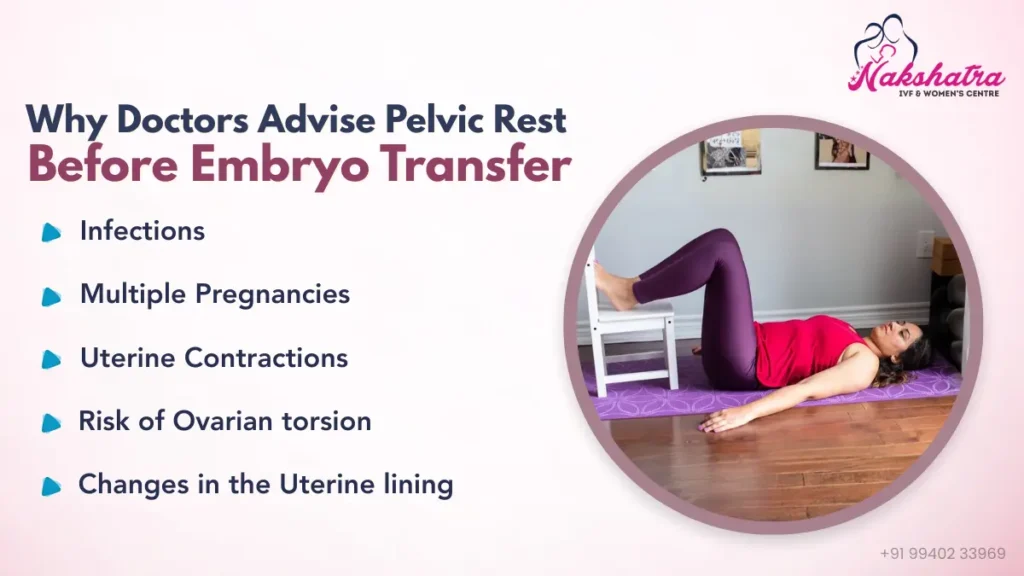
    Reasons Your Doctor May Advise Pelvic Rest Before Embryo Transfer

    Although studies depict positive impacts of having sex the night before embryo transfer, some doctors do not suggest the same. Certain evidence states that having sex without contraception before frozen-thawed embryo transfer can increase the risk of complications like heterotopic pregnancy. Other possible side effects of having sex before embryo transfer may include,

    pelvic-rest-before-embryo-transfer
    • Infections: The medications taken during IVF treatment make the uterus and cervix region highly sensitive. The risk of the vagina being exposed to microorganisms increases during sexual intercourse, thereby heightening the risk for infections.
    • Multiple pregnancies: Although rare, it is possible for multiple pregnancies to happen due to unprotected sex before embryo transfer.
    • Uterine contractions: While generally the uterine contractions following sex can be harmless, the sensitivity of the uterus due to medications could potentially impact the implantation of the embryo.
    • Risk of ovarian torsion: When the ovaries are being stimulated during the IVF procedure, having sex may lead to swollen and painful ovaries, thereby leading to ovarian hyperstimulation syndrome or ovarian torsion.
    • Changes in the uterine lining: Protecting the uterine environment is crucial to support successful implantation and development of the embryo. Sometimes vaginal intercourse may affect the uterus lining and affect the result of the transfer procedure.
    • Other potential disadvantages may include hormonal changes and pain during sex.

    General Guidelines on Intimacy and IVF

    The recommendation about having sex during fertility treatment differs for every individual. In general, doctors may advise not having sex on the day of or after the embryo transfer. Mostly, the days before the transfer are considered safe to have sex. The American Society for Reproductive Medicine (ASRM) guidelines suggest pelvic rest (abstinence from vaginal sex) for days 5 to 7 of starting ovarian stimulation to avoid medical risks. However, it is recommended to consult with your doctor to know what works best for you.

    Habits That Support Successful Embryo Transfer

    Following a healthy lifestyle that supports the health and functioning of the uterus before embryo transfer can significantly optimize the success rate. Here are a few habits that may benefit.

    habits-for-successful-embryo-transfer

    • Consuming fertility-friendly foods that are rich in fiber, protein, healthy fats, and micronutrients is essential. Maintaining optimal blood sugars and a healthy gut microbiome is recommended. 
    • Choosing healthy foods also aids in maintaining the hormone levels (estrogen and progesterone) that play pivotal roles in fertility treatment.
    • Staying well hydrated. 
    • Getting adequate sleep helps in enhancing immune function, reducing stress, and regulating hormones.
    • A safe exercise routine can be practised if advised by your doctor. 
    • Practicing relaxation techniques such as breath work, yoga, meditation, journaling, and doing activities that one enjoys.

    Follow Medical Advice

    The journey of In Vitro Fertilisation (IVF) can be tricky and may take a toll on one’s emotional well-being. But understanding the do’s and don’ts in every step of the process makes the journey easy and safe. The medical recommendations may differ for each individual depending on several factors. Hence, it is crucial to have an open communication with your fertility specialist and understand the treatment process. 

    Embryo transfer is the final step of the IVF journey that has its own guidelines to be followed. Your fertility doctor knows you best, and it is highly advisable to seek their advice on having sex before embryo transfer.

    FAQ

    Is it safe to have vaginal intercourse before embryo transfer?

    Studies depict that it is generally safe to have protected sex before embryo transfer. However, it is advisable to consult your doctor about it.

    Is protected or unprotected intercourse recommended prior to embryo transfer?

    According to research, favourable outcomes have been revealed by protected sex, such as the use of condoms before embryo transfer.

    Is there a specific timing and frequency for sex before embryo transfer?

    Studies support engaging in protected sex only a single time, the night before embryo transfer. Different steps of IVF have their own do’s and don’ts. However, exposure to seminal fluid may deliver positive outcomes in the transfer process.

    What potential risks should be considered about having sex before embryo transfer?

    Having sex before embryo transfer can increase the risk of infections, changes in the uterine lining, hormonal shifts, hyperstimulation of the ovaries, pain, and discomfort.

    When is it appropriate to resume sexual activity after embryo transfer?

    The appropriate time to resume sexual intercourse depends on the individual’s medical status. In general, it is recommended not to have sex until a week after embryo transfer or until pregnancy confirmation.

  • Infertility in Males and Females: Causes, Diagnosis, Treatment

    Infertility in Males and Females: Causes, Diagnosis, Treatment

    What is Infertility?

    According to the World Health Organisation (WHO), infertility is defined as the failure to achieve a pregnancy after 12 months or more of regular, unprotected sexual intercourse. The causes of infertility could be due to several different factors and may occur in both the male and female reproductive systems. Couples who face challenges to conceive naturally should consult a reproductive endocrinologist.  

    Let’s first know how pregnancy naturally happens to understand the challenges that one may face with it. Pregnancy occurs as a result of the following process,

    • The ovaries in a woman’s body release an egg during ovulation.
    • The sperm produced by the man fertilizes the egg.
    • The fertilized egg or the embryo travels through the fallopian tube toward the uterus.
    • The embryo implants itself in the uterus, a process called implantation, where it begins to grow into a fetus. 

    When there is a struggle in any of these steps, infertility may occur. The development of modern healthcare systems has improved treatment options for infertility, like ICSI and IVF treatments, which fulfill the dream of parenthood for many couples. 

    How common is infertility in India?

    According to the recent statistics in 2025, the Total Fertility Rate (TFR) in India has dropped below the replacement level to 1.9, which highlights a rise in infertility challenges faced by many couples. 

    Types of Infertility

    Infertility can be of two types. 

    • Primary infertility is when couples are unable to conceive a child after at least a year of unprotected sexual intercourse. 
    • Secondary infertility refers to couples who have previously achieved a successful pregnancy but are now unable to conceive again.
    • Unexplained infertility is when medical tests fail to identify the underlying reason for a couple’s difficulty in becoming pregnant.

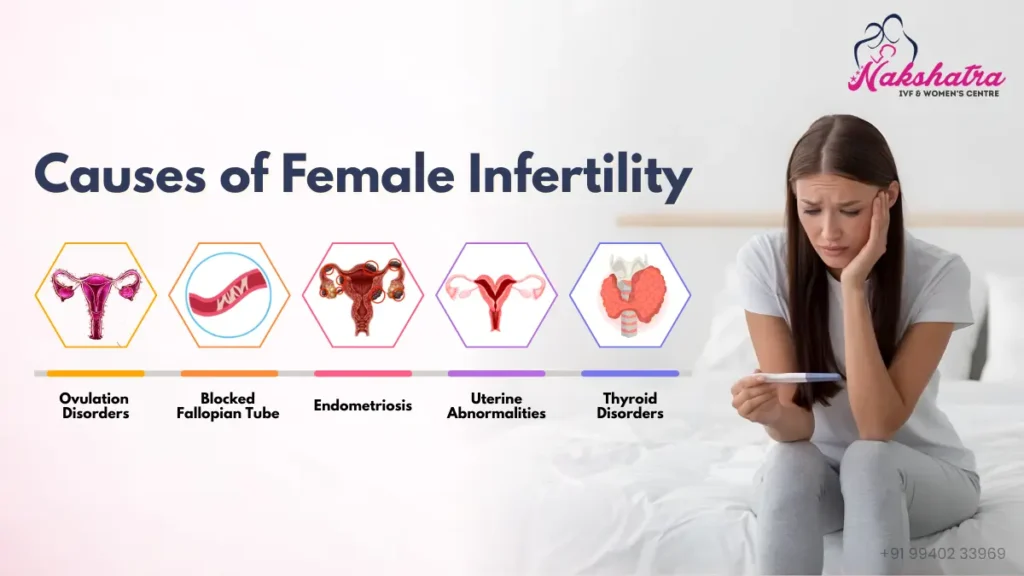
    Causes of Female Infertility

    There are different possible causes of infertility in females. Let’s dive into each of them.

    causes-of-female-infertility

    Ovulation disorders: Ovulation is a crucial step in the female reproductive system for pregnancy. Any changes that disrupt this process can cause infertility in females. Conditions like polycystic ovarian syndrome (PCOS), thyroid disorders, and intense exercise can disrupt the hormonal regulation, resulting in irregular ovulation. PCOS is a rising cause of infertility in females. Due to an imbalance in the hormones, multiple cysts are formed in the ovaries. Irregular menstrual cycles, increased facial hair growth, weight gain, and hair loss are some of the symptoms of PCOS.  Premature ovarian failure or premature menopause occurs when a woman experiences menopause before the age of 40. In this condition, the ovaries stop functioning normally, leading to a reduced supply of eggs, irregular menstrual cycles, hormonal fluctuations, and difficulties with conception. Genetic disorders like fragile X syndrome and Turner syndrome can also lead to premature ovarian failure. Lifestyle modifications, hormone therapy, diet, and seeking guidance from gynecologists from top fertility hospitals help in addressing such ovulation disorders. 

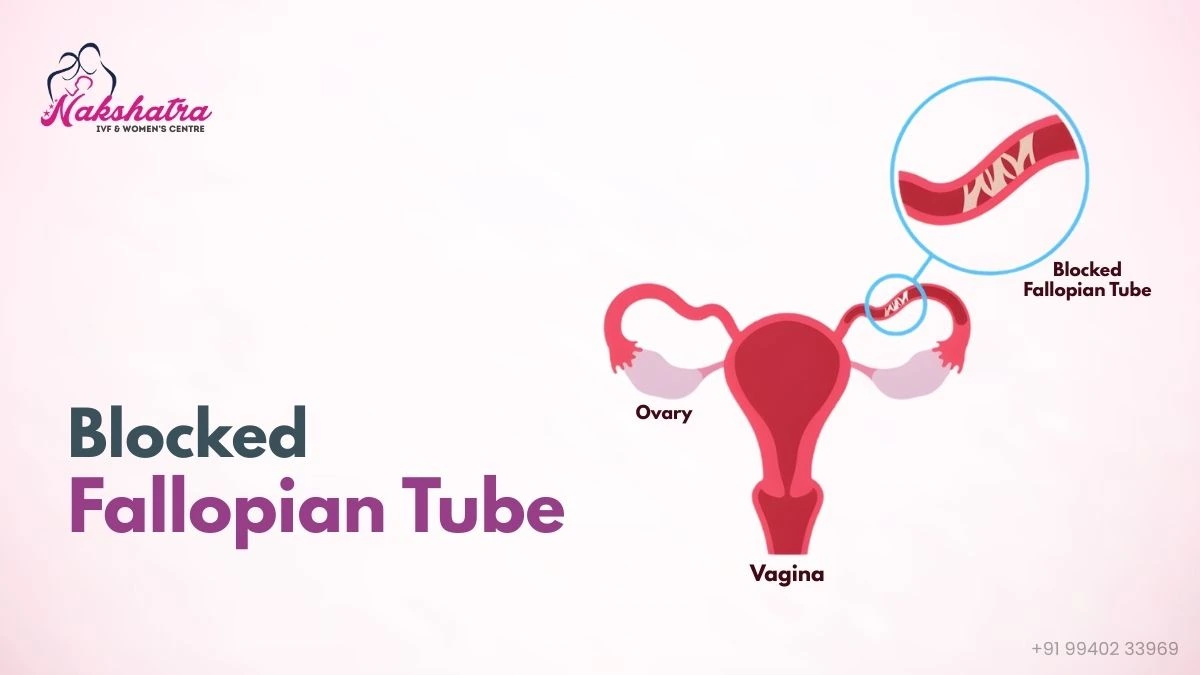
    Blocked Fallopian Tubes: Blockages in fallopian tubes can be triggered by infections, endometriosis, pelvic inflammatory diseases, fibroids, and scarring of tissues due to surgery. The egg from the ovaries travels through the fallopian tube after fertilisation to implant itself in the uterus. Blockages in the fallopian tube can hinder the movement of both the sperm and the egg, causing challenges in fertilization, implantation, and thereby pregnancy. Diagnosis through imaging tests helps in understanding the cause and effective treatment planning. Surgery or IVF treatment stands as the best infertility treatment option for women with blocked fallopian tubes. 

    Endometriosis: Endometriosis is a painful condition where tissues that are similar to the lining of the uterus grow outside the uterine cavity. It commonly impacts the ovaries, fallopian tubes, and pelvic structures, leading to inflammation and pain. Endometriosis is a common thread in female infertility cases as it interferes with the release of the egg, the movement of sperm to the egg, and implantation. Women diagnosed with endometriosis are usually prescribed medications, laparoscopic surgeries, or IVF techniques to treat infertility and achieve pregnancy. 

    Uterine abnormalities: Uterine fibroids, uterine polyps, and structural abnormalities can strike an impact on fertility by preventing implantation and development of the embryo. Diagnostic imaging tests can identify such abnormalities and aid in effective treatment planning. While treatment may vary for each individual, surgery is the most recommended intervention to rectify structural anomalies. 

    Thyroid disorders: The thyroid gland plays a significant role in female fertility. Hyperthyroidism (overactive thyroid gland) and hypothyroidism (underactive thyroid gland) can interfere with hormonal regulation, modifying ovulation and menstruation. An imbalance in thyroid hormones can also increase the risk of miscarriage. 

    Age-specific factors: A woman’s age has a major role to play in defining their fertility. As women age and reach over 35 years, a pronounced decline in the quality and quantity of eggs is observed. Advanced maternal age is the sole cause of infertility in females.

    Other causes: Some of the other causes that may lead to female infertility include autoimmune diseases like celiac disease or lupus, kidney disease, cancer, hypothalamic and pituitary gland disorders, sickle cell anemia, and previous surgical sterilization.

    What are the Diagnostic Methods for Female Infertility?

    When getting pregnant naturally becomes a challenge, your doctor may advise certain tests depending on the symptoms experienced to identify the underlying cause. The most common tests that help in diagnosis are 

    • Pelvic examination
    • Blood tests
    • USG or Transvaginal ultrasound
    • Hysteroscopy
    • Laparoscopy 
    • X-ray hysterosalpingogram 

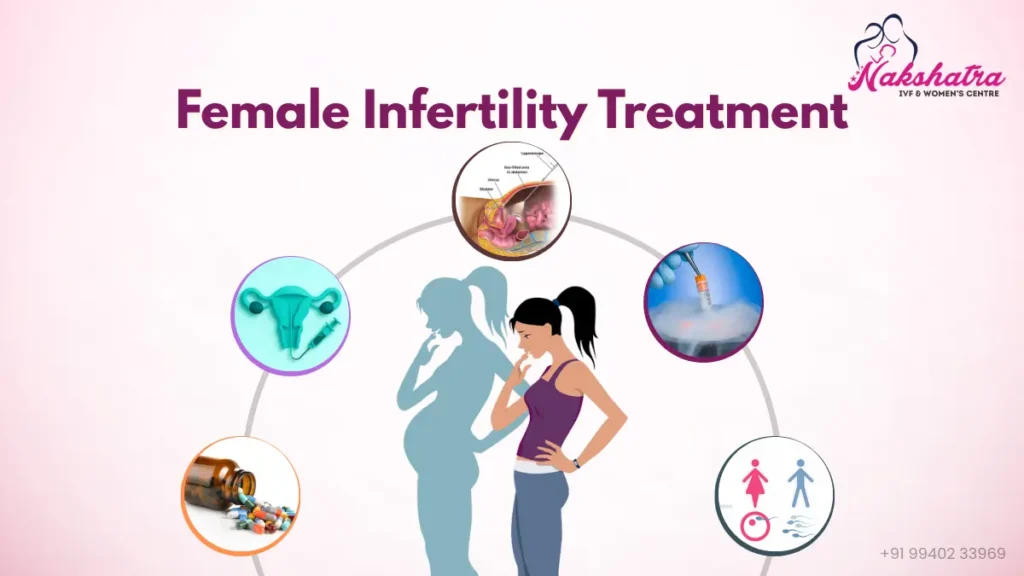
    Treatment Options for Female Infertility

    When planning treatment for female infertility, a tailored approach that balances efficacy, risk, and the woman’s preferences should be considered. Treatment may vary for every individual depending on the underlying condition; consulting a fertility expert is advisable. 

    female-infertility-treatment

    1: Pharmacological therapy

    Medications are usually the first line of treatment for ovulation disorders in women. Clomiphene citrate and gonadotropin are common medicines that are used to induce ovulation and are successful in approximately 80% of women. Metformin is prescribed by doctors for women with PCOS to improve insulin sensitivity and regulate the menstrual cycle. It is strongly recommended to seek medical advice, adhere to the doctor’s prescription, and refrain from self‑medication.

    2: IVF and IUI

    In Vitro Fertilization (IVF) and Intrauterine Insemination (IUI) are revolutionary fertility treatments that have transformed reproductive medicine. Through impressive success rates, IVF and IUI have helped several couples embrace the happiness of parenthood. IVF treatment involves combining the egg and sperm outside the body. After fertilization, the embryo is implanted back into the uterus. IUI is a procedure where the sperm is directly placed in the uterus. It is advisable to consult the best IVF doctors to maximise the likelihood of successful outcomes. Either IVF or IUI would be suggested by the doctor based on the cause of infertility.  

    3: Surgery

    When the cause of female infertility is related to uterine factors or endometriosis, hysteroscopic surgery, myomectomy, or laparoscopic surgery is recommended by the fertility expert. Surgery in selective female infertility cases has shown improved pregnancy rates and reduced incidences of miscarriages. 

    4: PRP therapy

    Platelet-rich Plasma (PRP) therapy is a medical procedure in which platelets are concentrated from the patient’s own blood and carefully reintroduced into the specific reproductive region to promote healing and regeneration. In female infertility treatment, PRP contributed to improved follicular growth, egg quality, endometrial thickness, and embryo implantation, which in turn supports IVF success rates.

    5: Egg freezing

    Freezing of viable eggs for future use is a valuable option for women with infertility issues. Egg freezing may be beneficial for women who have experienced premature menopause, have a history of cancer, or wish to delay childbearing. 

    6: Supplementary therapy 

    Lifestyle-related causes of infertility in females may require adjustments in diet, exercise, sleep, and social habits. Weight management has shown to improve the rate of conception by 20% to 30%. Avoiding smoking and alcohol drinking has shown to increase IVF success rates by 15%. Acupuncture, an ancient Asian medicine, has also shown positive effects on IVF outcomes. 

    7: Donor egg and Surrogacy

    In scenarios where the woman’s own eggs are not viable, donor eggs that are carefully screened can be used. Surrogacy is when another woman bears and gives birth to the child on behalf of the intended parents.  

    Contemporary medical advancements have introduced multiple treatment options for female infertility, turning dreams of parenthood into reality for countless couples. 

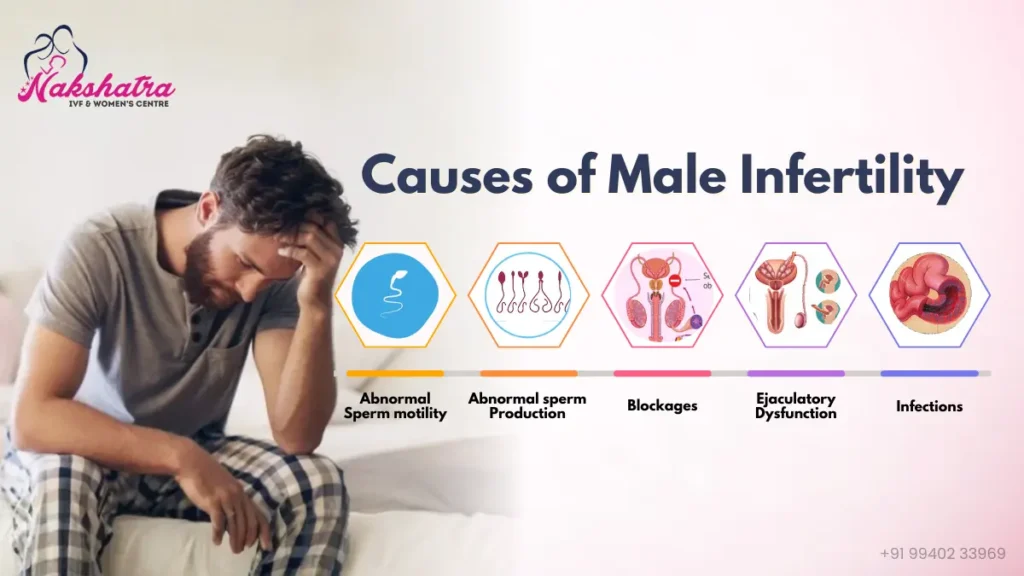
    Causes of Infertility in Male

    Male infertility arises from various etiological factors, as outlined below:

    causes-of-infertility-in-male

    Abnormal sperm motility: The sperm should be able to move efficiently for successful fertilization. Problems in sperm motility can cause infertility in males. 

    Abnormal sperm production: The male reproductive system should achieve proper growth and formation to support normal production of sperm. Challenges in this can affect the production of sperm.

    Blockages: Infections, surgery, or congenital disorders can cause blockages in the ducts that carry the sperm. This can cause trouble in the transportation of the sperm. 

    Ejaculatory dysfunction: Problems in ejaculation may arise due to diabetes, certain medications, or bladder surgery. 

    Infections: Sexually transmitted diseases may lead to male infertility by preventing sperm production and motility. 

    Other causes: Factors like cancer, genetic disorders, exposure to pesticides, X-rays, and toxins, smoking, and obesity are also possible causes of infertility in males. 

    What are the Diagnostic Methods for Male Infertility?

    To diagnose male infertility, some of the following tests may be recommended by your andrologist. 

    • Semen analysis
    • Ultrasound
    • Blood tests to analyse hormone levels
    • Genetic tests
    • Physical examination of the testes and penis

    Treatment Options for Male Infertility

    Depending on the underlying cause of infertility in males, different treatments will be suggested by your doctor. The possible treatment options for male infertility are discussed below. 

    treatment-options-for -male-infertility

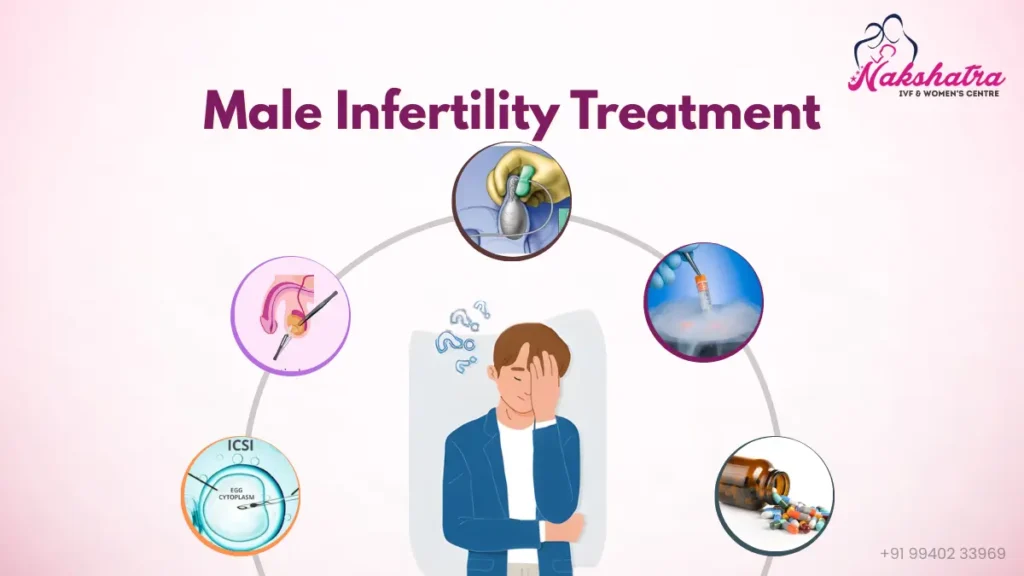
    1: ICSI 

    Intracytoplasmic Sperm Injection (ICSI) is a strategic choice for treating male infertility when sperm quality and quantity are reduced. ICSI treatment involves injecting the sperm directly into the egg’s cytoplasm, ensuring fertilization. Assisted reproductive technologies (ART) like ICSI have delivered positive solutions to many couples struggling with infertility. 

    2: Sperm freezing

    Sperm cryopreservation or freezing is a specialized technique where sperm are collected and stored at very low temperatures so they can be used later. 

    3: Surgery

    Enlarged veins in the scrotum or blockages are corrected through surgical procedures. It is recommended to consult a fertility specialist to determine the underlying cause and consider surgical options if necessary.

    4: Sperm retrieval techniques

    In cases when sperm is absent in the ejaculate, sperm can be retrieved from the testes or epididymis using techniques like TESA (Testicular Sperm Aspiration) or PESA (Percutaneous Epididymal Sperm Aspiration). 

    5: Medications

    Drug therapy is used to correct hormones and promote spermatogenesis. Antibiotics are used to treat infections in the male reproductive tract. Antioxidant supplementation is an additional therapy suggested to improve semen parameters. 

    6: Lifestyle modifications

    For male infertility, following a healthy lifestyle can be of great help. Managing body weight with regular exercise and a healthy diet, quitting smoking and alcohol drinking, getting adequate sleep, and managing stress are valuable measures to promote male fertility.

    Getting Expert Help

    Infertility in males and females is becoming a growing challenge across the globe. Recent medical advancements have expanded infertility treatment options, facilitating the journey of parenthood for many couples. A fertility expert can assist you in understanding the underlying cause through strategic diagnostic testing and provide effective treatment options.

  • Blocked Fallopian Tubes: Causes, Symptoms, Diagnosis, and Treatment

    Blocked Fallopian Tubes: Causes, Symptoms, Diagnosis, and Treatment

    Overview

    • Infertility is a rising global issue affecting both developed and developing countries.
    • Blocked fallopian tubes or tubal obstruction hinder conception as the tubes act as an integral part in facilitating the union of sperm and the egg. 
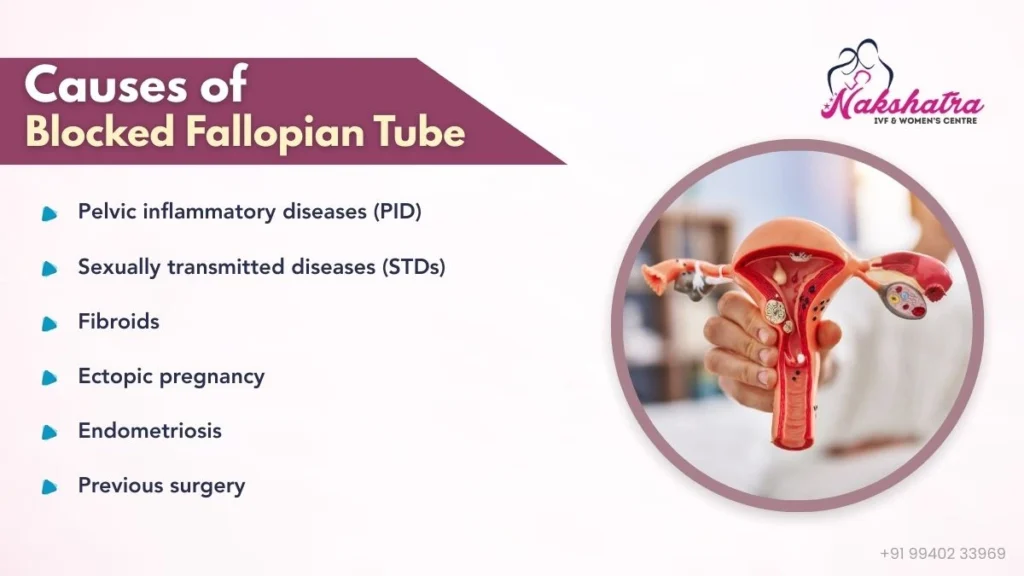
    • The causes of blocked fallopian tubes could be pelvic inflammatory diseases, endometriosis, fibroids, sexually transmitted diseases, past ectopic pregnancy, or previous pelvic surgeries.  
    • Most women with damaged or blocked fallopian tubes remain asymptomatic. 
    • Various treatment options exist for blocked fallopian tubes, and a fertility specialist can provide appropriate guidance.

    Fallopian Tubes and Infertility: What’s the Link?

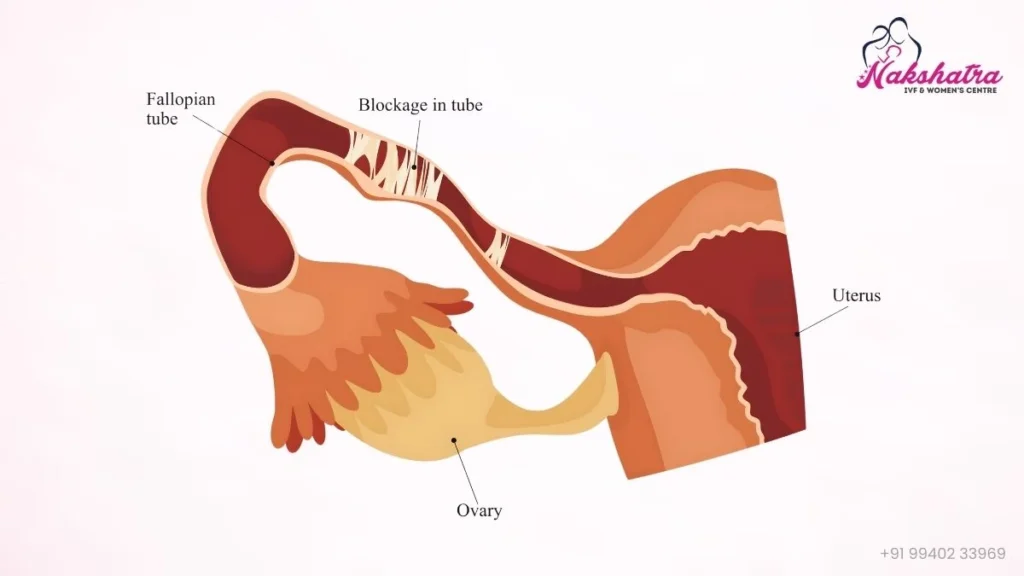
    The fallopian tubes, also known as the uterine tubes, are an important reproductive organ located in the female pelvis. They are bilateral channels that connect the uterus to the ovaries. They extend laterally from the uterine horns and are about 11 to 12 cm in length. The tubes play a primary role in fertility. After ovulation, the ovum is picked up by the fallopian tubes from the ovaries. It is also the site where the sperm travels from the vagina through the uterus and meets the egg for fertilization. The cilia, which are hair-like structures in the tubes, help move the embryo to the uterus a few days after fertilization. When there is a blockage or damage in the fallopian tubes, the movement of sperm to the egg or the fertilized egg to the uterus is affected, and thereby may significantly impact conception and cause infertility.

    What does research say?

    Fallopian tube illness has been a causative factor for infertility among approximately 30% of women. Of these, 10% to 25% have blocked fallopian tubes. For many women, IVF treatment stands as an instrumental treatment option to get pregnant.

    What are the Causes of Blocked Fallopian Tubes?

    Infections can lead to scarring of tissues on the walls of the fallopian tubes and lead to damage. The other common causes include pelvic inflammatory diseases, ectopic pregnancy, past surgeries, and many more. The space below elaborates on the different causes of blocked fallopian tubes.

    • Pelvic inflammatory diseases (PID): When sexually transmitted diseases are untreated, they may lead to pelvic inflammatory disease. PID is a bacterial infection that impacts the female reproductive system, including the fallopian tubes, uterus, and ovaries. These bacteria are sexually transmitted and could cause fever, severe pelvic pain, scars, and blockages in the fallopian tubes. 
    • Sexually transmitted diseases (STDs): Inflammation caused by sexually transmitted diseases can lead to scars and blockages in the fallopian tubes. The common STDs that lead to tubal blockage include gonorrhea and chlamydia. 
    • Endometriosis: This occurs when the tissues from the endometrium, or the lining of the uterus, begin to grow outside the uterus. It may sometimes grow on nearby reproductive organs like the fallopian tubes. The endometrium is shed and released from the body during menstruation. But in scenarios where it grows outside of the uterus, inflammation happens, leading to scarring or blocking of the fallopian tubes. 
    • Previous surgery: Certain surgeries may also be a causative factor for blocked fallopian tubes. Surgeries performed for uterine fibroids, endometriosis, ovarian cysts, and other abdominal surgeries can lead to inflammation or scarring in the fallopian tubes.  
    • Ectopic pregnancy: This is a condition in which the fertilised egg or the embryo does not implant in the uterus. When the implantation occurs in the fallopian tube, the fertilised egg does not have space to grow as the tubes are narrow and small. This obstruction may lead to rupture of the tubes, which can be life-threatening. Surgery can help remove the egg and prevent rupture, but may at times lead to scarring of the fallopian tubes. 
    • Fibroids: Small non-cancerous or benign growth that develops in the uterus, which can block the fallopian tubes at the point where they join with the uterus. This may lead to infertility.

    Blocked Fallopian Tubes: Symptoms to Watch For

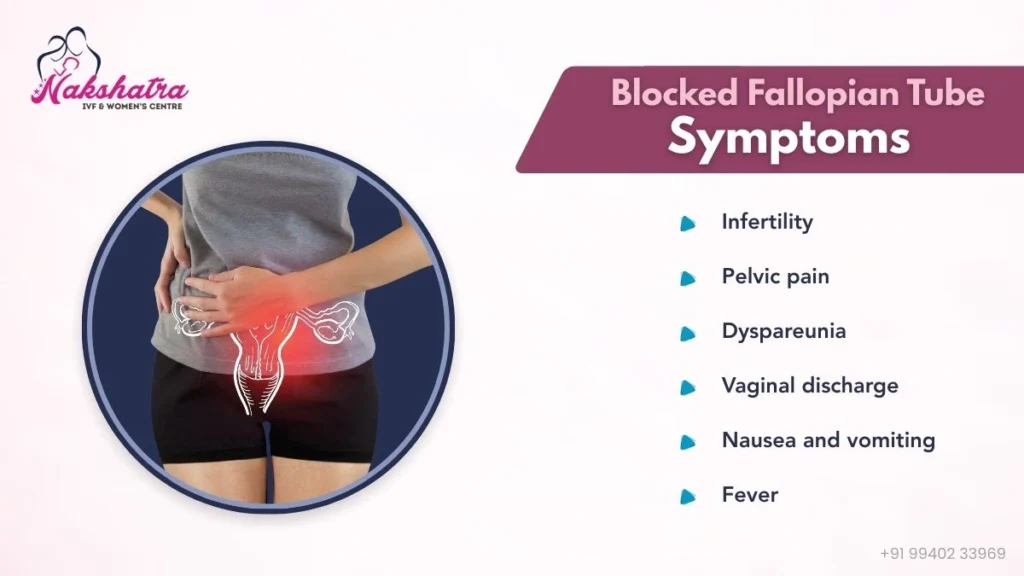
    The most common blocked fallopian tube symptom is infertility, and hence is mostly diagnosed as part of the fertility treatment. Therefore, most women remain asymptomatic until experiencing issues with getting pregnant. However, some other symptoms may be experienced, as discussed below.

    • Infertility: Problems in getting pregnant are the highly reported symptom that leads to the discovery of blocked fallopian tubes. The blockage in the tubes prevents fertilisation and the movement of the egg to the uterus for implantation. Thereby, hindering natural conception. 
    • Pelvic pain: Discomfort, cramping,  or pain in the abdominal or pelvic region could be caused by a disturbance in the tubes. The severity and duration of pain may differ for everyone. Some women report severe pain only during menstruation, while some may experience it constantly. For some women, pain may occur on one side of the abdomen. 
    • Dyspareunia: Several women report experiencing pain during sexual intercourse. Pelvic inflammatory disease could be a cause of this pain. 
    • Vaginal discharge: A blocked fallopian tube may cause foul-smelling, abnormal discharge from the vagina. Accumulation of fluid may occur at the end of the tubes due to damage or blockage in the fallopian tubes. This is clinically called hydrosalpinx. 
    • Nausea and vomiting: One of the blocked fallopian tube symptoms includes feelings of nausea and vomiting in acute cases.
    • Fever: Some may experience a spike in their body temperature due to blocked fallopian tubes. It may at times reach over 102 degrees Celsius. A general feeling of tiredness and being unwell may also be experienced.

    Treatment for Blocked Fallopian Tubes

    Being a common cause of infertility among women, the treatment for blocked or damaged fallopian tubes depends on factors such as the location of blockage, extent of blockage, symptoms, age, general medical status, and fertility goals. There are non-invasive, minimally invasive, and surgical treatments used to open blocked fallopian tubes. A fertility specialist will suggest the best treatment that will be appropriate for your condition. 

    • Non-surgical treatments: In mild cases, non-surgical treatment options are considered by the fertility experts. Antibiotics are recommended to treat infections that cause inflammation and blockage of the tubes. When only one of the tubes is blocked, fertility medicines may be recommended to stimulate ovulation from the open fallopian tube. Lifestyle changes such as maintaining a healthy weight, sound mental wellness, and avoiding social habits like smoking and drinking are also advised to improve fertility outcomes. 
    • Laparoscopic surgery: This is a minimally invasive procedure that allows for accurate treatment and quick recovery. Scarred tissues or adhesions are removed during this procedure using a small camera that is inserted through minor incisions. 
    • Salpingectomy: This is performed for women with hydrosalpinx and involves the removal of the blocked tube, as the fluid accumulated in the tube affects IVF treatment outcomes.
    • Fallopian Tube Recanalisation (FTR): This is performed by inserting a thin catheter through the cervix using imaging guidance to open or clear the blocked tubes.

    Is Pregnancy Possible with Blocked Fallopian Tubes?

    The most common question that arises after diagnosis is, “How can a woman get pregnant with blocked fallopian tubes?” Well, the good news is that pregnancy is not impossible with blocked fallopian tubes. 

    • In scenarios where only one fallopian tube is blocked, natural conception is possible when ovulation and semen parameters are normal. 
    • In selective cases where the block is proximal or mild, adhesions are not severe, and the woman is young, surgery can be considered. Tubal cannulation or laparoscopic surgery can help treat the blockage and increase the chances of pregnancy. However, surgical options also have some limitations, such as risk for ectopic pregnancy, reblocking of tubes, and varied success rates.
    • IVF is suggested when the blockage or damage cannot be treated, as it bypasses the need for fallopian tubes for conception, as fertilisation occurs outside the body.

    Is IVF Effective for Blocked Fallopian Tubes?

    In Vitro Fertilisation (IVF) stands as a highly effective option for infertility treatment. During IVF, the egg is retrieved from the female’s body and fertilized with the sperm in a laboratory. After successful fertilisation, the embryo is transferred back to the uterus for implantation. IVF is considered the best option as it bypasses the tubes and makes it suitable for cases such as

    • Bilateral tubal block
    • Severe tubal damage
    • Hydrosalpinx
    • Tuberculosis-affected fallopian tubes
    • Failed tubal surgery
    • Advanced maternal age

    Though IVF is not the only option to get pregnant with blocked fallopian tubes, it stands as the safest, fastest, and highly successful treatment choice.

    Final Note: Expert Guidance Is Important

    Blocked fallopian tubes are a rising cause of infertility among women. Since most women are asymptomatic, it is identified only when there is difficulty in getting pregnant. It is crucial to seek the help of a fertility specialist to identify the severity of the problem, treat the symptoms, and improve fertility outcomes. 

  • Unwanted 72 Tablet: A Guide to Make an Informed Choice

    Unwanted 72 Tablet: A Guide to Make an Informed Choice

    Emergency contraceptive pills can be a safe and effective choice in preventing unwanted pregnancy. The Unwanted 72 tablet is a popular contraceptive pill that is used after unprotected or under-protected sex. Every rose comes with its thorns, and so does the Unwanted 72 contraceptive tablet. Understanding the usage instructions, composition, mechanism of action, and side effects of Unwanted 72 is a smart decision to make, considering one’s reproductive health.

    Getting Started: What is Unwanted 72?

    The need and usage of emergency contraceptives have increased in recent years. According to a study in 2023, annually, there are about 121 million unwanted pregnancies reported, with 61% of them ending in abortions. Emergency contraceptives like the Unwanted 72 tablet play a safety net in easing the tension of unwanted pregnancies and abortions. Unwanted 72 is an over-the-counter tablet that is also referred to as the “morning-after pill”.  As a single-dose medication, it is taken orally within a few hours after unprotected sex. The effectiveness of the Unwanted 72 tablet is high when taken sooner, preferably within 24 to 72 hours after unprotected sexual activity. It is not advisable to use this as a regular birth control pill and is best to consult a gynecologist before use.

    What is the Purpose of the Unwanted 72 Tablets?

    Unwanted 72 tablets are preferred as an emergency oral contraceptive to avoid pregnancy in scenarios such as

    • Unprotected sex
    • Contraceptive failures, such as a condom breaking or slipping
    • Missed regular birth control pills
    • Forced sexual intercourse

    Chemical Background of the Unwanted 72 Tablet

    Levonorgestrel is the main active ingredient present in Unwanted 72 and commonly in other oral contraceptive pills.  Levonorgestrel is a synthetic progestogen that is sold under different brand names. This first-line oral emergency contraceptive tablet is approved by the World Health Organisation (WHO) and the Food and Drug Administration (FDA) to avoid pregnancy. 

    The Science Behind Unwanted 72 in Preventing Pregnancy

    Several debates have arisen regarding the mechanism of action of emergency contraceptive pills like Unwanted 72. Some studies have found that Unwanted 72 interferes with ovulation (release of egg from the ovary). The levonorgestrel in Unwanted 72 inhibits the luteinising hormone (LH) that is responsible for ovulation. This shift in hormones can cause a delay in periods after taking Unwanted 72.  It is also found that it affects the development and maturation of follicles as well, thereby making fertilization difficult. A study by Noe et al. also found that the tablet, when taken before ovulation, can prevent pregnancy by 100%. 

    It could also cause changes in the lining of the uterus. An increase in the cervical mucus viscosity by Unwanted 72 may interfere with the sperm passage and motility, thereby preventing pregnancy. A study found that when administered between 3 and 10 hours after intercourse, the pH of uterine fluid increased, which affected the mobility of sperm and reduced the number of sperm that reached the uterine cavity. However, taking Unwanted 72 tablets does not terminate an existing pregnancy. 

    When to Take Unwanted 72?

    The effectiveness of Unwanted 72 depends on the timing of its intake. The American College of Obstetricians and Gynecologists (ACOG) suggests that emergency contraceptives containing levonorgestrel should be used up to 72 hours after a contraceptive-failed sexual intercourse. The sooner it is administered, the more effective it will be. Research has shown that the effectiveness of Unwanted 72  is influenced by the timing of its administration within the menstrual cycle as well. The ovulation phase has been shown to play a crucial role in the effectiveness of Unwanted 72 tablets. The possibility of getting pregnant is greater when the emergency contraceptive is taken after 72 hours or longer.  Typically, the number of days Unwanted 72 works best is within 3 days of unprotected sex.

    Are There Any Side Effects of Unwanted 72?

    Before using any medication, it is also important to weigh the risks of taking it. Sometimes, unwanted symptoms may be experienced by some women after taking Unwanted 72. The common side effects of taking contraceptive pills that have levonorgestrel as the main ingredient include

    • Changes in the menstrual cycle
    • Pain in the abdomen
    • Headache
    • Nausea
    • Vomiting
    • Dizziness
    • Fatigue or weakness
    • Tender breasts

    Uncommon adverse effects such as anorexia, ectopic pregnancy, and weight gain were also reported in a few studies.

    Periods and Unwanted 72: What You Need to Know?

    Most women have queries about the effect of Unwanted 72 on their menstrual health. Taking Unwanted 72 during periods to avoid pregnancy depends on the day of the period and the cycle length. It may not be necessary to take it on days 1 and 2 of the period. Having sex during periods can still lead to pregnancy in women with shorter menstrual cycles. 

    Some of the commonly reported side effects of Unwanted 72 on menstrual period include,

    • Irregular or delayed periods
    • Alterations in menstrual bleeding, such as heavy or longer bleeding
    • Spotting
    • Pain in the pelvis 
    • Cramps

    Consulting a doctor before usage is highly recommended to avoid the side effects of Unwanted 72.

    Effect of Unwanted 72 on Future Pregnancy

    The levonorgestrel in Unwanted 72 does not exhibit adverse effects on fertility or future pregnancies. It is known to cause disturbance in the menstrual hormones and in the menstrual cycle. To avoid irregularities in the cycle, it is advisable to consult a fertility specialist for regular and safe birth control methods. 

    Who should be Cautious in taking Unwanted 72?

    The use of Unwanted 72 is not recommended in women with the following conditions

    • Abnormal vaginal bleeding
    • Allergic to levonorgestrel 
    • Liver disease
    • Pregnant

    Interactions may occur when combining Unwanted 72 with other medications. Hence, discussing with a health care professional about your medications before using Unwanted 72 is crucial. 

    Conclusion

    Unwanted 72 tablets are considered safe emergency contraceptives to prevent pregnancy. Understanding the mechanism, directions for use, and the possible side effects of Unwanted 72 is important before using it. Although it is effective in avoiding unwanted pregnancy, it is not a replacement for regular birth control pills. Consulting a health care professional is always advisable when it comes to reproductive health. At Nakshatra IVF & Women’s Centre, OMR, our experienced gynecologists deliver tailored treatment that meets every individual’s unique needs. We guide you in making informed and safe choices regarding your reproductive health through advanced medical expertise and compassionate care.

    FAQ:

    Is it safe to take Unwanted 72?

    The levonorgestrel in Unwanted 72 is approved by the FDA. However, it is highly recommended to ask your doctor if this emergency contraceptive is suitable for you.

    Is unwanted 72 harmful for future pregnancy?

    Most of the side effects of Unwanted 72 are not serious, and no effect on fertility has been reported.

    Can I take Unwanted 72 along with other medications?

    It is not recommended to take Unwanted 72 with certain medications. Hence, checking with your doctor is advisable.

    Can I take Unwanted 72 during periods?

    The possibility of pregnancy after sex during periods is low. However, having a short menstrual cycle, early ovulation, and the life span of sperm can increase the chance of pregnancy. No clinical studies have shown the effect of taking Unwanted 72 during periods, hence it is best to consult your doctor before usage.

    When is the right time to take Unwanted 72?

    Unwanted 72 should be taken within 72 hours (3 days) of unprotected sex. The earlier the tablet is administered, the more effective it is.

    Does Unwanted 72 affect fertility in the future?

    Adverse effects on long-term fertility have not been reported with the use of emergency contraceptives. Hence, it is a safe and effective pill to avoid unwanted pregnancy. 

    Should I be worried if my period is delayed after taking Unwanted 72?

    Delay in periods is commonly reported after taking Unwanted 72. However, a delay in periods by more than 7 days requires medical attention.

    Should I consult a doctor before taking Unwanted 72?

    Unwanted 72 is an over-the-counter medication. However, it is highly recommended to seek advice from medical professionals if you have any concerns or experience side effects after its usage.

  • Managing Gestational Diabetes for A Healthy Pregnancy

    Managing Gestational Diabetes for A Healthy Pregnancy

    Gestational Diabetes Mellitus has become a health concern for pregnant women worldwide. The increasing prevalence in India makes it a growing and critical public health challenge. This blog breaks down in detail about gestational diabetes and management techniques that every expecting mother should be aware of.

    What is Gestational Diabetes Mellitus?

    Gestational diabetes mellitus (GDM) is a type of diabetes that is identified during pregnancy. It is characterised by high blood sugar levels that may impact the mother and the growing fetus. GDM, similar to other types of diabetes, influences the usage of glucose by the cells in the body. 

    Despite the diagnosis, there’s some good news to know- Gestational diabetes during pregnancy can be managed with diet, exercise, and insulin (if required). And for some people, the blood sugar levels may drop back to normal after giving birth. 

    GDM in India: What does Statistics Say?

    The intolerance to carbohydrates results in high blood sugar during pregnancy. India has been stated as the world’s largest diabetes population. The burden of gestational diabetes mellitus in India is estimated to range from 7.2% to about 21.4%, with regional variations. Globally, the Centers for Disease Control and Prevention (CDC) stated a GDM prevalence of 8% to 10%.

    Fact Drop:

    The urban population of India seems to have a high prevalence of GDM when compared to the rural population. 

    What Causes Hyperglycemia in Pregnancy?

    Changes in hormones are an important event in the course of pregnancy. The hormonal changes, coupled with insulin inefficacy or insufficiency, can lead to gestational diabetes mellitus during pregnancy. Insulin is a growth hormone that influences the usage of glucose by cells for energy. The hormones produced by the placenta during pregnancy may disturb insulin’s mechanism, leading to insulin resistance.  The increasing demand for insulin to manage blood glucose levels can lead to hyperglycemia (high blood sugar) and, thereby, GDM. 

    Risk Factors for Gestational Diabetes

    Screening for GDM is usually done between 24 and 28 weeks of pregnancy. All pregnant women may be at risk for gestational diabetes and, hence, must be screened. There are also certain factors that may increase the risk for GDM, like

    • Physical inactivity
    • Overweight or obesity
    • Being diagnosed with prediabetes
    • History of GDM in the previous pregnancy
    • Previous instances of delivering a macrosomic infant (weighing more than 4 kg)
    • PCOS
    • High blood pressure and cardiovascular disease
    • Family history of diabetes
    • Belonging to a certain race or ethnicity, like Hispanic, Black, American Indian, or Asian. 
    • Later maternal age

    A study has shown that undergoing IVF (In Vitro Fertilisation) treatment may increase the risk for GDM compared to spontaneous pregnancy. However, more studies are needed to understand this. Consult an IVF specialist to understand your risks and management strategies for GDM. 

    Signs and Symptoms of Gestational Diabetes

    Identifying the signs and symptoms of GDM is mandatory for prompt diagnosis and treatment planning. Most pregnant women may not know they’ve been experiencing these signs and symptoms until a blood test is performed. The signs and symptoms of GDM that should be observed by pregnant women include

    • Fatigue
    • Excessive thirst
    • Frequent urination
    • Nausea
    • Dry mouth

    Diagnostic Tests for Gestational Diabetes

     During the second trimester, the gynecologist will schedule glucose tests to check for gestational diabetes. The ACOG (American College of Obstetricians & Gynecologists) recommends the 2-step screening approach for the diagnosis of GDM. 

    • The glucose challenge test is also referred to as the glucose screening test or the one-hour glucose tolerance test. This test requires drinking a glucose solution (50g glucose) and testing after one hour.  
    • Blood sugar levels above normal in the first test indicate the need for an Oral Glucose Tolerance Test (OGTT) to confirm the diagnosisThis test requires 8 hours of fasting prior to testing and drinking a glucose solution that contains 100g of glucose. Blood samples are tested once an hour over the three hours. Two or more abnormal levels of blood glucose confirm gestational diabetes mellitus in the woman. 

    Effects of Gestational Diabetes on Pregnancy and the Fetus

    The first question that may arise for an expectant mom with GDM is often, “How does GDM affect my baby?” 

    Well, uncontrolled gestational diabetes can impart negative effects on the mother and the fetus. Being aware of the complications helps in proper management of the condition. 

    The complications of gestational diabetes for the mother may include,

    • C-section delivery: There is an increased chance of having a Caesarean section due to uncontrolled blood sugar levels during pregnancy. 
    • Preeclampsia: Severe complications like high blood pressure or preeclampsia may also occur. These conditions can be threatening to the well-being of the mother and the fetus. 
    • Type 2 diabetes: The woman is also at a high risk of developing type 2 diabetes later in life, when gestational diabetes is not managed and treated during pregnancy.  
    • Diabetes in future pregnancy: Having gestational diabetes increases the chance of being diagnosed with it in future pregnancies as well. 

    Poor control of gestational diabetes during pregnancy can put the fetus at risk for,

    • Premature birth
    • Increased birth weight or macrosomia
    • Breathing trouble
    • Low blood sugar that may cause seizures in infants
    • Obesity while growing up
    • Type 2 diabetes in later years
    • Stillbirth, when GDM is not treated

    The increasing prevalence of gestational diabetes among expecting mothers underlines the power of early identification and management of blood sugar levels to sideline short- and long-term complications. 

    Management and Treatment Plan for GDM

    Being diagnosed with gestational diabetes during pregnancy requires being extra mindful about eating habits, physical activity, and monitoring blood sugar levels. The ultimate goal is to control blood sugar levels and prevent complications. Tracking the blood sugar levels in pregnancy using a glucose meter will be helpful for your healthcare provider to curate treatment plans. Adapting a well-balanced, healthy meal plan and being active are important pillars in the management of gestational diabetes. Let’s dive deeper into managing gestational diabetes for a happier pregnancy journey.

    • A healthy eating plan: Eating the right type of foods at the right time and in the right quantity is critical in reducing sugar levels in pregnancy. To avoid glucose fluctuations during pregnancy, it is recommended to consume small meals often (3 meals and 2 snacks in a day). The gestational diabetes diet plan should focus on complex carbohydrates, lean or plant-based proteins, and healthy fats like olive oil, legumes, avocados, nuts, and seeds. A diet containing simple sugars, saturated fats, and processed foods must be avoided. Staying well-hydrated by drinking adequate fluids throughout the day is highly recommended. Consult a healthcare professional to understand specific dietary needs for your pregnancy.
    • Move more: With the approval of your gynecologist, staying active and engaging in moderate-intensity exercises is encouraged. At least 30 minutes of exercise on most days of the week can impart benefits in controlling gestational diabetes. Exercising during pregnancy has shown several benefits for maternal and fetal health. 
    • Tracking blood sugar levels: Regularly checking blood sugar levels during pregnancy helps you keep track of your health and take necessary actions. According to the American Diabetes Association (ADA) guidelines, the target blood sugar levels for gestational diabetes are: fasting or before meal <95mg/dL, one hour postprandial <140mg/dL, and two hours postprandial <120 mg/dL. However, variations may occur depending on the individual’s health and treatment strategy. 
    • Medications: For some women, the use of medications may be suggested to achieve optimal control of blood sugar levels during pregnancy. A gynecologist knows what’s best for the mother and the fetus. At Nakshatra IVF & Women’s Centre, our specialists plan effective and practical treatment plans to prevent and control gestational diabetes among expectant mothers. 
    • Sweet Takeaways

    Gestational diabetes mellitus can be controlled and managed with an appropriate treatment plan. Maintaining the blood sugar levels within an optimal range is the central goal in gestational diabetes mellitus. Eating small meals frequently, regular exercise, and medications, if suggested, can help pregnant mothers with GDM achieve the goal and dodge complications.  

    FAQ:

    What are the risks due to gestational diabetes for the baby?

    Uncontrolled gestational diabetes can put the fetus at risk for premature birth, trouble breathing, macrosomia, low blood sugar levels, and certain medical conditions in the future, such as obesity and type 2 diabetes.

    Can gestational diabetes be controlled during pregnancy?

    Yes, consult a healthcare expert to understand the diet and lifestyle modifications needed to maintain optimal blood sugar levels. Sometimes, medications may be prescribed for treatment.

    Does gestational diabetes pose a high risk?

    When gestational diabetes is not managed well, it can put the mother and the fetus at a high risk for several health complications.

    Can I have a healthy pregnancy and baby if diagnosed with gestational diabetes?

    Controlling the blood sugar levels greatly helps reduce the risk of complications. Regularly monitoring blood sugar levels during pregnancy can help in making necessary treatment actions.

    Is gestational diabetes mellitus reversed after giving birth?

    The blood sugar levels should come back to optimal ranges when the hormonal levels are under control after delivery. However, you will be suggested to do blood tests for confirmation. Eating balanced, nutrient-rich meals and exercising regularly can help in turning down the risk of diabetes in the future.


  • USG Desmystified: Full Forms, Types, and Uses in the Medical World

    USG Desmystified: Full Forms, Types, and Uses in the Medical World

    Did you recently visit your gynecologist and hear them recommend USG, and wonder if you missed the memo on medical terms? USG’s full form in a medical context is Ultrasound Sonography. It is a safe technique used to examine the internal organs in a non-invasive way. Let’s unravel the mystery behind USG, its types, how it works, and why doctors use it for diagnosis.

    The ABCs of USG: What is USG?

    Ultrasound Sonography, also referred to as Ultrasonography, is the full form of USG. It is a safe, non-invasive technique that uses high-frequency sound waves to create images of the internal organs. It is a highly preferred diagnostic tool, used especially for pregnant women and children, as it does not involve exposure to radiation like other tests, such as CT scans or X-rays. The safety and convenience of studying real-time images of the internal structures make USG a preferred test for diagnosis and treatment by medical professionals.

    What Does USG Reveal During Pregnancy?

    Ultrasound tests are performed to confirm pregnancy and determine the duration of pregnancy. Conducting tests like USG during pregnancy also helps in assessing the amniotic fluid, the movement, position, and the heart rate of the fetus. Hence, it is a very vital technique performed during pregnancy, and there are different ultrasound short forms or abbreviations used for these tests. 

    Let’s understand the different USG tests performed in pregnancy and their full forms. 

    • USG FWB: Ultrasound Sonography Full Well Being is the full form of the USG FWB test that is done during pregnancy. This test aids in assessing the overall growth and development of the fetus. 
    • USG EDD stands for Ultrasound Sonography Estimated Date of Delivery, which is used to predict the approximate date the baby can be expected to be delivered. These tests also help in checking for any congenital conditions like birth defects in brain or spinal cord development. 
    • TVS USG test stands for Transvaginal Ultrasound Sonography, which is performed to examine the female reproductive organs, like the uterus and ovaries. 
    • ANC USG or Antenatal Care Ultrasound Sonography is the medical term used for the test that’s done to assess the fetus’s growth and development.
    • BPD USG is used to measure the fetal head in order to estimate fetal weight and gestational age. The full form of the BPD USG test is Biparietal Diameter in Ultrasound Sonography.

    USG: Other Types and Full Forms

    Ultrasound is also used for diagnostic purposes to predict abnormalities in other organs. Let’s dive into the other ultrasound short forms used in the medical setting.

    • USG Abdomen: USG abdomen or Ultrasound  Sonography Abdomen is performed to create images of the abdominal organs that may include the liver, gall bladder, spleen, and pancreas. 
    • USG KUB: The full form of this test is Ultrasound Sonography Kidney, Ureter, and Bladder. This test is performed to evaluate the structure and functioning of the urinary system. Another ultrasound short form used in diagnosing renal issues is USG KUB with PVR, where the PVR stands for Post Void Residual, which helps measure the quantity of urine left in the bladder post urination.
    • USG HR: The Ultrasound Sonography High Resolution is done to assess small body structures in detail using high-resolution images. It helps in diagnosing and developing effective treatment plans. 
    • TRUS: Transrectal ultrasound (TRUS) is performed to examine the rectum and nearby tissues like the prostate gland. 

    USG tests are conducted to evaluate other tissues such as the breasts, thyroid glands, muscles, and joints as well. It can also be used to assess the flow of blood through the arteries and veins in the body. This technique, which is used to evaluate the movement of materials in the body, is called Doppler Ultrasound.

    How is USG performed?

    Ultrasound Sonography (USG) is a quick, safe, and painless procedure used for different reasons by medical experts. The technique involves applying a gel over the area that is being examined. A small device called the transducer is placed over the gel. This device helps send sound waves into the body, which then bounce back to generate images on the screen. The doctor examines these images to diagnose or assess the individual.

    End Note

    USG, or the short form of Ultrasound Sonography, is a widely used diagnostic technique that allows doctors to study the internal structures without the need for surgery or exposure to radiation. It stands as a very useful tool during pregnancy to assess the fetus’s growth and development, thereby opening the door to effective treatment planning. While medical abbreviations like USG can seem puzzling at first, we hope this article has helped clarify their full forms in the medical setting and their importance in diagnosis and treatment. Our doctors at Nakshatra IVF & Women’s Centre ensure that every individual understands and is aware of all the procedures involved in their treatment plan. To know more about us,  call +91 9940233969  or visit our website.

  • How to Get Periods Immediately to Avoid Pregnancy?

    How to Get Periods Immediately to Avoid Pregnancy?

    Introduction

    Periods are a natural biological rhythm with cycles lasting from 21 to 35 days, although individual variations may occur. However, delay in menstruation may happen due to different reasons. Passed period dates and unprotected sex can make one feel anxious and worried about an unplanned pregnancy. If you are wondering how to get periods immediately and safely, you’ve clicked the right link. 

    Key Takeaways

    • Delayed periods can make one feel anxious and worried.
    • There are a few natural remedies that may help in regulating the menstrual cycle.
    • Consuming foods such as papaya, pineapple, dates, ginger, parsley tea, and fenugreek can help in regulating the hormones, stimulating uterine contractions, and thus inducing periods.
    • Exercising regularly can help in reducing stress and promoting balance of reproductive hormones.
    • Specific yoga asanas have been shown to be helpful in regulating the menstrual cycle.
    • To name a few yoga poses- Bhujangasana, Dhanurasana, Baddha Konasana, and Ustrasana can be practiced. 
    • Breathing exercises and meditation are some relaxation techniques that may also be advantageous. 
    • Although these natural strategies may be helpful, they are not medically guaranteed, and it is important to consult an expert before trying any new remedies. 

    Medical Approaches vs Natural Remedies

    There are different strategies being used to stimulate periods. It should be noted that claims on using remedies to get periods immediately in one hour or overnight are not foolproof or guaranteed. While it is best to seek medical guidance from a gynecologist, some may want to try natural remedies. Let’s explore the differences.

    • Medical approaches that your gynecologists may suggest might include hormonal therapies such as patches, pills, or injections that contain the primary reproductive hormones, estrogen and progesterone. 
    • Natural remedies such as consuming certain foods, performing yoga, and heat therapy may also show benefits. The nutrients and enzymes in certain foods have been shown to aid in regulating period hormones. Light to moderate intensity exercises and yoga may also help in regulating your hormones. Although not medically guaranteed, certain sleeping positions may help to get periods early, like the fetal position or legs up the wall position. 

    Your Health Deserves Mindful Decisions

    Treating oneself with groundless strategies may result in several risks such as increased bleeding, hormonal imbalance, pain, and other side effects. The reproductive system is complex, sensitive, and plays a pivotal role in a woman’s health. Opting for medications without a medical expert’s advice can put one’s health on the line. Hence, before you decide to take any action regarding your reproductive health, it is highly recommended to seek expert care. 

    Which Food Helps to Get Periods Immediately? & Other Natural Ingredients that Promote Periods 

    Papaya, ginger, vitamin C-rich foods, parsley, dates, and jaggery are some natural ingredients that may help in regulating hormonal balance and stimulating uterine contractions.

    Healthy, wholesome foods are recognized as nature’s gift for good health. The nutrients and phytochemicals in foods exhibit vast benefits to human health. Specific foods that may help in getting your periods are discussed in detail in the space below. However, no foods have been medically guaranteed to induce periods immediately and have to be used with care.

    • Papain-rich Papaya: Papaya has been a popular go-to fruit for ages to induce periods. The papain enzyme found in it aids in regulating menstrual cycles and stimulates uterine contractions. High concentrations of the enzyme are found in raw and semi-ripe papaya. 
    • Pineapple: This is another fruit that has been believed to help welcome the monthly cycle. The enzyme bromelain found in pineapple is the key element that is responsible for its menstrual benefits.
    • Ginger: A popular ancient ingredient known for several health-benefiting properties, also holds potential benefits in menstruation. Adding ginger to different recipes or drinking ginger tea is recommended to induce periods. 
    • Dates: Dates may help to generate heat in the body and have effects on the menstrual cycle. They are also a good source of iron, fiber, and antioxidants.  
    • Vitamin C-rich foods: The nutrient vitamin C may help regulate the hormones (estrogen and progesterone) to induce periods. Hence, foods like oranges, lemons, kiwi, amla, drumstick leaves, berries, tomatoes, and broccoli contain high concentrations of vitamin C, which may help to get periods immediately. 
    • Herbal teas: Parsley, coriander, turmeric, ginger, and fenugreek tea are a few herbal teas that are known to help start menstruation. 

    Natural Ways and Home Remedies to Induce Periods

    Let’s dive into a few more natural, home remedies that help to initiate the flow phase.

    • Exercising: Performing light to moderate intensity exercises to induce periods can help in regulating the menstrual hormones.
    • Yoga: Performing certain yoga asanas is a natural way to get periods immediately, as it helps in regulating hormonal balance. 
    • Relaxation techniques: Keeping one’s mind and body relaxed and free of stress is important for good health. Stress can disrupt hormonal balance, a crucial component to getting your periods on time. Performing breathing techniques like slow, deep breaths and meditation are effective strategies to feel relaxed.
    • Heat therapy: Applying heat to the lower abdomen using a hot compress can stimulate blood flow to this region and may be helpful in inducing menstruation. Taking warm showers may also be beneficial.

    It should be remembered that these methods are not fail-proof, nor can they be replaced with medical expert advice. Hence, these approaches should be exercised with caution and complete awareness.

    How Do Exercise and Hydration Affect Your Cycle? 

    Sweating out with regular exercise can have positive impacts on the menstrual cycle. It helps in turning down the production of stress hormones such as cortisol and regulates the reproductive hormones- estrogen and progesterone. Exercise is also known to make one feel good due to its stimulating effect on the hormone endorphins (the feel-good hormone). Engaging in exercises to induce periods should be coupled with adequate nutrition. Exercises that focus on the abdominal, back, and pelvic muscles help in increasing blood flow and regulating menstruation. Sit-ups, abdominal twists, squats, scissors, and light yoga are some exercises that can be performed. 

    However, it is always advisable to perform exercises with care and consult your doctor if you have any health concerns. 

    Hydration is crucial for all body functions. Drinking adequate fluids helps in reducing symptoms associated with periods like bloating, cramps, and water retention.  Water, juices, and fluids with electrolytes can help to stay hydrated throughout the day. 

    Yoga Asanas: A Natural Remedy to Get Periods

    It should be noted that practicing yoga asanas is an effective and natural way to regulate the menstrual cycle, but it is not a guaranteed method to get periods immediately. Here are a few asanas that can be helpful.

    • Cobra pose (Bhujangasana): This asana helps in stretching the back and abdominal muscles, thus increasing blood circulation to the pelvic region. Start by lying with your stomach on the floor. Place your hands below your shoulders, and lift your upper body off the floor and stretch. Ensure to keep the top of your feet and pubic bone pressed to the floor. 
    • Bow pose (Dhanurasana): This asana is a dynamic posture that resembles an archer’s bow. It primarily involves the back and abdominal muscles. Start by lying down in a prone position, bend your knees, and use your arms to grab your ankles. Lift your thighs and chest off the floor and stretch. 
    • Butterfly pose (Baddha Konasana): This yoga pose is powerful in reducing menstrual discomfort and strengthening the pelvic muscles. Sit straight, bend your knees, and pull the soles of your feet towards your pelvis. Keep your back straight and take deep, relaxed breaths. 
    • Camel pose (Ustrasana): Start by kneeling on the floor, bend backwards, and grab your ankles while pushing your hips forward. This asana helps in strengthening abdominal muscles. 

    Child’s pose (Balasana), garland pose (Malasana), and seated forward bend (Paschimottanasana) are some of the other yoga asanas that may also exhibit menstrual benefits. 

    Conclusion 

    Pregnancy, hormonal changes, or even stress can make one miss the flow. When faced with any of the following symptoms- delayed periods, pain in the lower abdomen, bleeding during or after intercourse, or irritation in the vagina, it is highly recommended to seek guidance from a gynecologist and abstain from self-treatment.

    If you have missed your period and are worried about an unplanned pregnancy, it is not uncommon to want to get your period in a short span. While it’s not possible to adjust your body’s biological rhythms on demand, the approaches outlined can help manage menstrual cycles. Be noted that they do not offer foolproof results and should not be substituted for professional medical advice.